Berry Good … Strawberry and Bramble Berry Care in June
Some say that the ol’ apple pie is the classic American dessert. And just looking at me, you know I would never say no to a baked good.
But for me, another classic All-American summer dessert is the strawberry shortcake … or raspberry (my favorite). Especially if those berries are home grown.
But depending on what varieties you planted, of both strawberries and raspberries, mid- to late-June you may have some garden tasks to keep the best production coming for years to come.
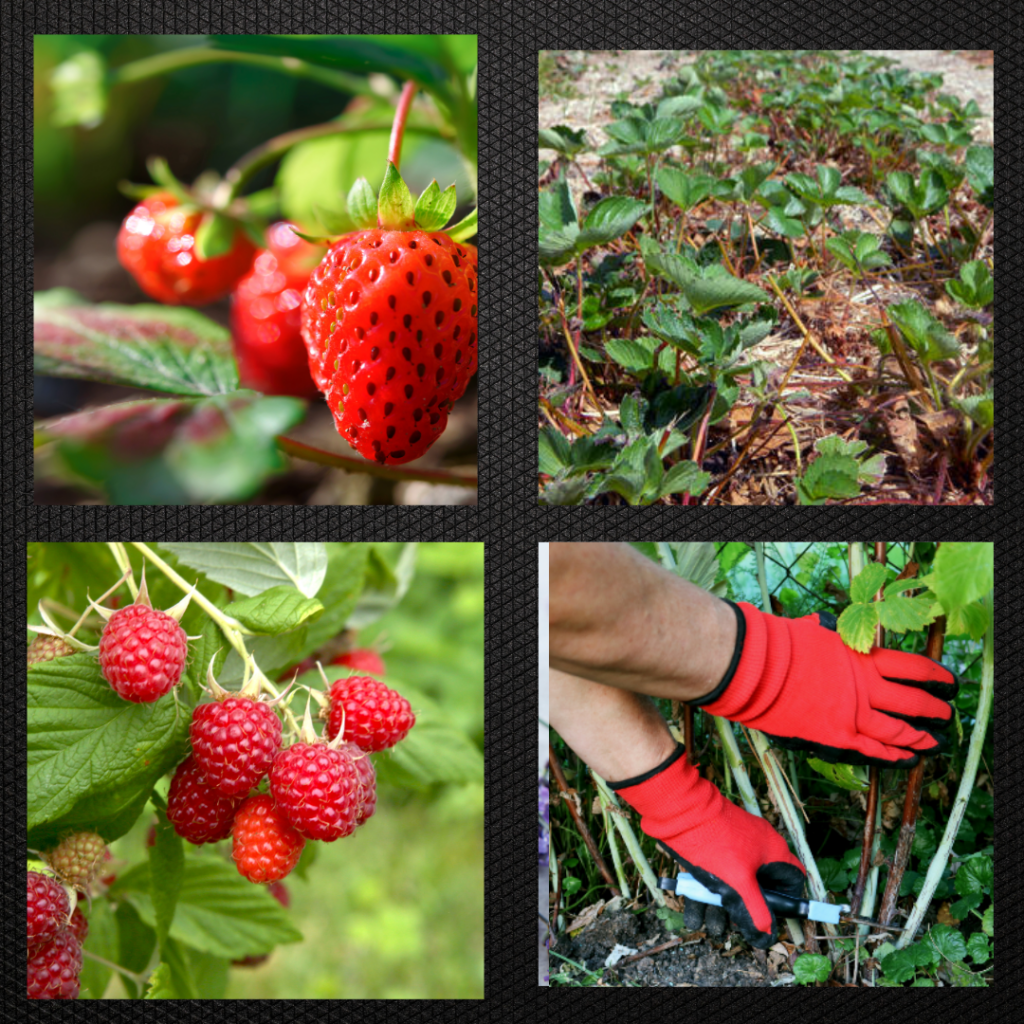
Strawberries are classified into three different types based on when they produce: June bearing; everbearing; and day neutral. Each type not only produces at different times and rates, but also their cultural care is different.
June-bearing strawberries are usually planted by those who preserve the harvest. I can just taste those homemade jams, jellies and preserves. Clearly the botanist who named these wasn’t the most creative – June-bearing. Yep, that is what they do. They produce a robust harvest all at once. Within a few short weeks, you can get a bounty of berries, but then there is work to do if you want to be able to harvest that many or more next year.
After June-bearing strawberries have finished producing, there is a process called renovation that needs to be done. And it isn’t pretty, but it is best for the berry plants’ future. If you just planted June-bearing strawberries this year, you would wait a year for the plants to build up energy reserves before doing renovation.
Renovation involves literally mowing or hand clipping (not recommended — too tedious unless you have very few plants) all of the leaves off of the strawberry plants; cutting out runners and narrowing the rows; weed control; and fertilization.
Starting with leaf removal, the key is to remove the leaves, but do not damage the crowns. The crown of strawberry plants are the thick, short stems at the very base of the plant from which the roots, leaves, runners and flowers emerge. Everything emerges from the crown of the strawberry.
And at planting, the crown needs perfect planting — right at the soil line. Too deep, and the whole plant will die from rot, too shallow and roots could be exposed, again leading to death.
The key to renovation is to remove all the old leaves, leaving the crown ready to regrow strong, healthy new fruiting buds for next year. This should be done immediately after harvest, except in the first year of planting.
The next step in June-bearing strawberry renovation is narrowing the rows. This involves cutting the rows to a 10- to 12-inch strip. This maximizes yield for the following year and prevents overcrowding. Overcrowding causes low air and light circulation, so getting rid of old runners and trimming the matted rows resets the plants to be more vigorous.
After mowing the leaves and cutting the rows, this is the perfect time to work on any weed issues you might have. Ideally, after you have mulched your strawberries, you might be weed-free. If not, remember weeds compete for all resources with your desirable plants. Eradicate weeds now, to prevent problems later, then mulch. Problem solved.
The final step to renovation of June-bearing strawberries is to fertilize to stimulate growth. Apply a complete 10-10-10 slow release fertilizer at the rate of 2.5 to 3 pounds per hundred feet.
The other types of strawberries — everbearing and day neutral — do not undergo renovation.
Now on to my (and Debbie Werner’s) favorite berry of all: raspberries. Here, too, we can’t just be simple and have one kind that is cared for all the same way. Just like strawberries, raspberries are identified by when they produce their fruit.
There are first-year cane produced called primocanes or second-year cane produced called floricanes.
Primocane raspberries are everbearing which produce fruit on the tips of the first year canes in the fall, so no summer pruning is needed. These are most red-and-yellow raspberries. If these canes are left up through the winter, they will also produce a small crop in the early summer.
But it is the floricane raspberries that need attention in the summer. The floricane raspberries include black, purple and some of the red and yellow varieties. These produce fruit once a year on second year canes. After the summer harvest, cut all canes that produced fruit down to the soil level. Leave the new green canes alone, as they will be the producing canes for next year.
Many home gardeners like to have some of all varieties of both strawberries and raspberries in their home garden to extend the harvest for the entire growing season. Now let’s go make an old-fashioned strawberry shortcake. This recipe is from 1947 from Indiana University’s Medical School Alumni Gathering. It was created by the first director of Nutrition and Dietetics Department at IU.