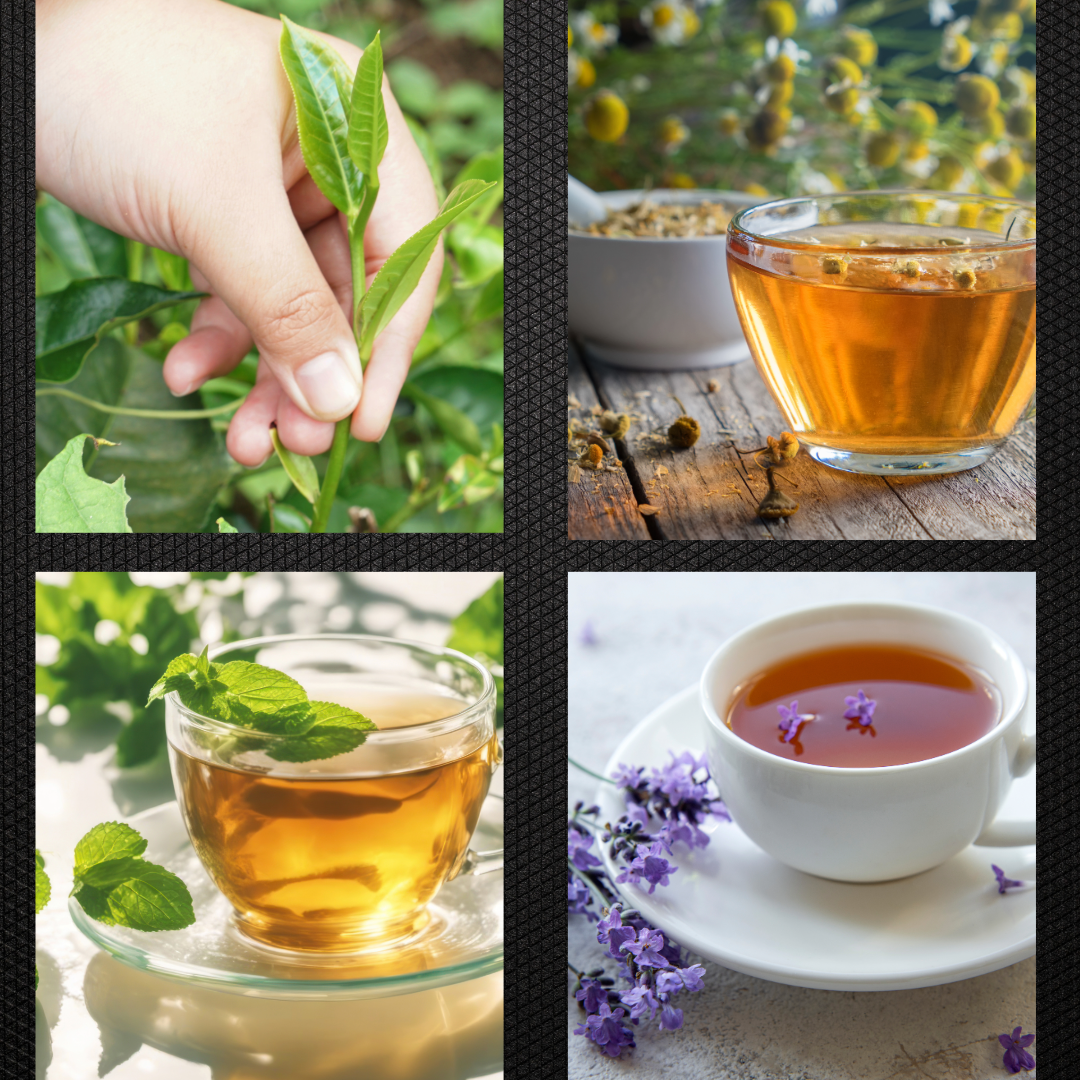
With the right leaves, you can brew up a storm
If I asked what the most popular beverage in the world is, a few years ago it would have been the age-old discussion of Coke versus Pepsi. But today’s beverage likes are vast.
Do you prefer a latte? Or maybe one of those space age-looking boba teas with the large tapioca balls in the bottom? Or then there are the fruit mixers like mango/watermelon or strawberry lemonade. And we can’t forget the energy drinks.
But you could list all of the concoctions on the Starbucks menu, and you would still be wrong. The answer is tea. Real tea. Tea is consumed by 66 percent of the world’s population. “Real” tea is made from steeping (pouring boiling water over) the young leaves and buds of the plant, Camilla sinensis.
But we can’t grow it, nor coffee, in the Midwest, nor the United States. It requires tropical or subtropical habitat. But we can still grow our own tea, or should I say teas. Herbal teas. And people have been making herbal teas for over 5,000 years.
Now before you run out with some pruners and start clipping this and cutting that to put in a cup, you need to know, it’s not that easy. As a matter of fact, you could make yourself or someone else sick … or worse. Some plants are poisonous overall.
And to make it even more confusing, some plants can cause dangerous things to certain people. For example, some herbal teas should never be taken by pregnant women. Some of the herbs pregnant women should never use include sage, ginseng, and licorice root, black or blue cohosh and pennyroyal.
This is serious — it can cause fetal complications, elevated blood pressure and more problems. So it is better to stick to the basics and use a reliable (University Extension) knowledge base for what plants you can grow for making tea.
Herbal teas, originated as medicines to treat various conditions. And they are making a comeback, fortunately with science-backed research to validate their safety or explain possible problems or interactions. As far as this column, I follow the University of Illinois Extension mandate: We are not doctors, we are horticulturalists. We do not make any recommendations for herbs or any plant as a medicinal use.
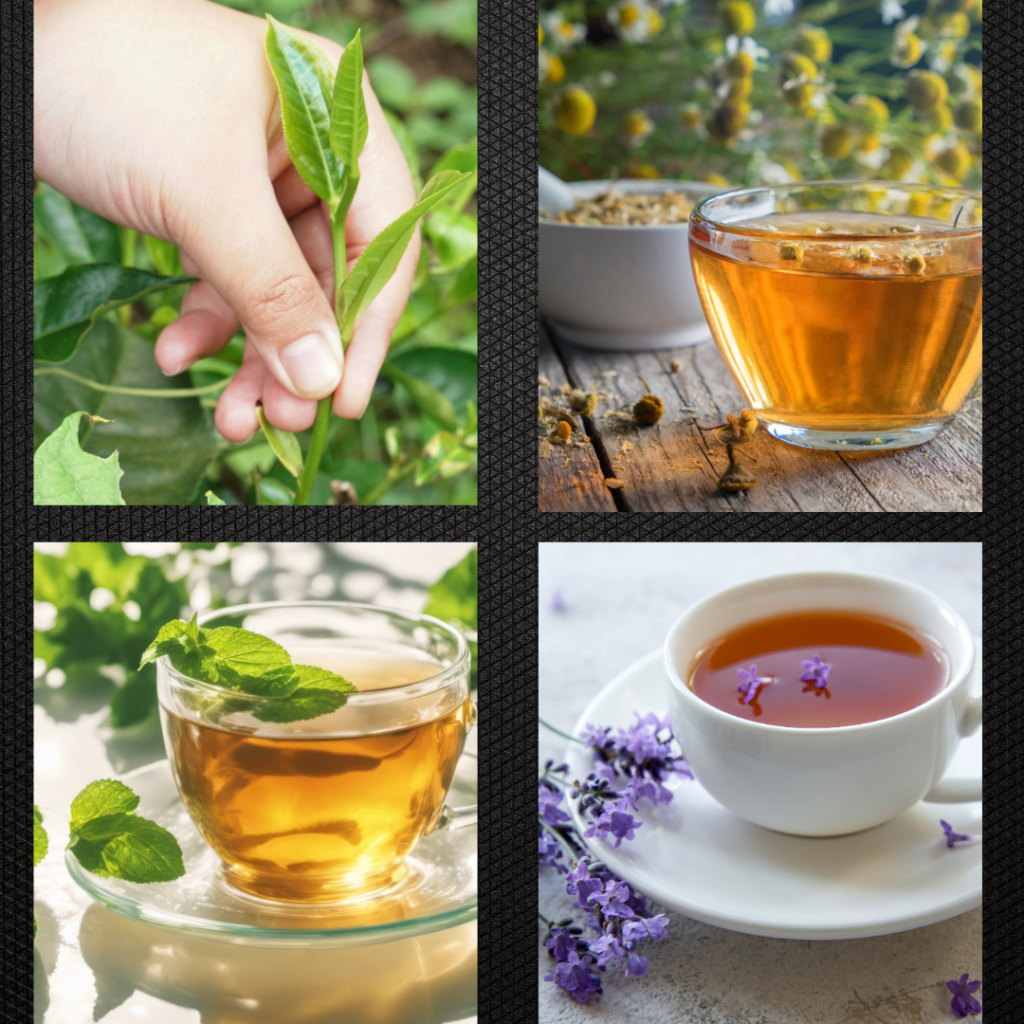
I am going to focus on three simple categories of plants: mints, chamomile and lavender. Mint teas are a great place to start. Saying mint is “easy to grow” is like saying a teenager might like a cell phone. It is beyond all imagination how quickly a simple little start of a mint plant can literally become your landscape.
Always keep mint plants in a container. Most of them will survive even in relatively small containers, outside over the winter, as long as they have drainage. There are hundreds of varieties of mint. Some more suited to making tea than others. But that is the fun thing about making your own herbal tea. You can experiment with them.
And finding more than just the usual peppermint and spearmint is getting easier all the time. Many big box stores have an expanded herb section. You can also find herbs year-round (although more limited varieties) in the produce section of most stores in small pots.
Mint plants are such robust growers you can even keep them in part shade. Just be sure to use the three rules of container plants: The pot has to have a hole for adequate drainage; use potting mix, not potting soil; and water regularly. I also like to mulch the tops of my pots with a single layer of woodchips, this not only prevents the need to water as much, but also keeps the leaves clear of soil splash if we get a heavy downpour.
Chamomile is a great herb that imparts an apple or fresh green flavor to teas. There are two types of chamomile — German and Roman. The German chamomile is what is used for tea. And unlike mint, you do not use the stems and leaves, but instead the flowers, to make tea. You can use the flowers fresh (one tablespoon) or dried (one teaspoon).
Lavender is another herbal tea. This one is a little more controversial flavor wise. I have had lavender ice cream, cookies, biscuits and tea. For me it has to be a very light touch of lavender, otherwise I think I am eating a bar of soap.
Also, the variety of lavender (and there are many) that is best for tea and other culinary uses is English Lavendar, Lavandula angustifolia. This is a non-hardy (will die if left outside over winter). But it is my favorite to grow. I keep it in a pot and bring it in and out every year.
If you were to try to make tea out of Munstead Lavender, the most common and hardy to our Zone 6 weather, you might think you were having a Vicks VapoRub tea. Munstead lavender smells great, but has a camphor like smell and flavor.
To make herbal tea, harvest the leaves in the morning after the dew has dried; this is when the volatile essential oils that give herbes their flavor and aroma are at their peak. Rinse the leaves lightly and pat dry. You can use either fresh or dried herbs to make herbal teas.
A general rule of thumb is to use twice the amount of fresh herbs than you would dried, as the dried are more concentrated.
Place one teaspoon of dried/or two teaspoons of fresh herbs in a mug. Pour boiling water over them. Cover the mug and allow the herbs to steep for 10 minutes. You will learn as you go to adjust the amount of herbs and length of steeping time to your own taste. Then strain out the herbs, and flavor with your preferred choices — lemon, sugar/stevia/substitute/ honey/milk — as you like.
For iced herbal teas, you can either use hot (described above) or cold brewing. Cold brewing is often preferred for herbal teas, as it brings out the flavors of the herbs without the sometimes-bitter taste (from tannins) that occurs in hot brewing.
To cold brew, use one cup of fresh herbs (or half cup of dried) per gallon of water. Refrigerate for six to 12 hours. Strain the herbs and serve over ice. Keep refrigerated. Use within three to five days.