Beans Done Correctly Can Bring Music to Your Table
Finally, some warmer weather is on the horizon. Mother Nature certainly flipped her plans compared to the last five years weatherwise. But according to the meteorologist prognosticators, we are finally coming into some sustained warmer conditions.
And that means the mid-season crops can get going. One of those main crops is green (or purple or yellow) beans. This kitchen staple is one of the easiest and most productive crops we can plant and, in general, is enjoyed by most people.
Just this week at one of the big box stores, some common flower and vegetable seeds, including beans, were on sale for 11 cents per package.
The average yield of just one bean seed is a half a pound for bush beans and a pound of beans for pole beans. So even one of these 11 cent packages of beans, with 20 beans in it can produce 10 to 20 pounds of beans. Another bonus is beans are easy to keep — just blanch and freeze. (More on that later).
Green beans should be planted in full sun, because the part we eat comes from the flower. Plants that we eat the leaves (greens), stalks (celery), or roots (carrots, radish) of, can actually tolerate some partial shade, because we are not concerned with the plant needing to flower like we are for crops such as tomatoes, peppers, melons, squash, etc.
Beans should be planted after soil (not air) temperatures reach 60 degrees. The University of Illinois Extension recommends planting May 24 through June 30 for continued harvests, and if you want a constant supply of beans through fall, additional beans can be planted July 30 through August 15. I tend to plant a few beans every two weeks to have a continuous, non-stop supply of beans.
Green beans used to be known as “string” beans, because early on, there was a thick fiber “string.” But plant breeders bred that out of beans, and now they are referred to as “snap” beans for the common activity of post-harvest preparation of snapping beans into smaller bite-sized pieces.
Beans come in two growing “styles” — bush beans and pole beans. You can find gardeners who are 50/50 on which they prefer. I am in the bush bean camp. I find pole beans, like any other staked plants, coming down in some windy thunderstorm just as that first big harvest is almost ready to pick.
I also have a hard time finding all of them. Bush beans are easy to find, although some complain it is hard bending over for a long time trying to find them.
Bush beans and pole beans also differ in their production times/rates. Bush beans are determinate (meaning they make a bush, stop growing and produce beans); they put on a heavy flush of beans for two to three weeks and then are done. So you take them out and replant a few times.
Pole beans are indeterminate (meaning they keep on growing throughout the entire season) and have a longer, smaller production that goes through till frost.
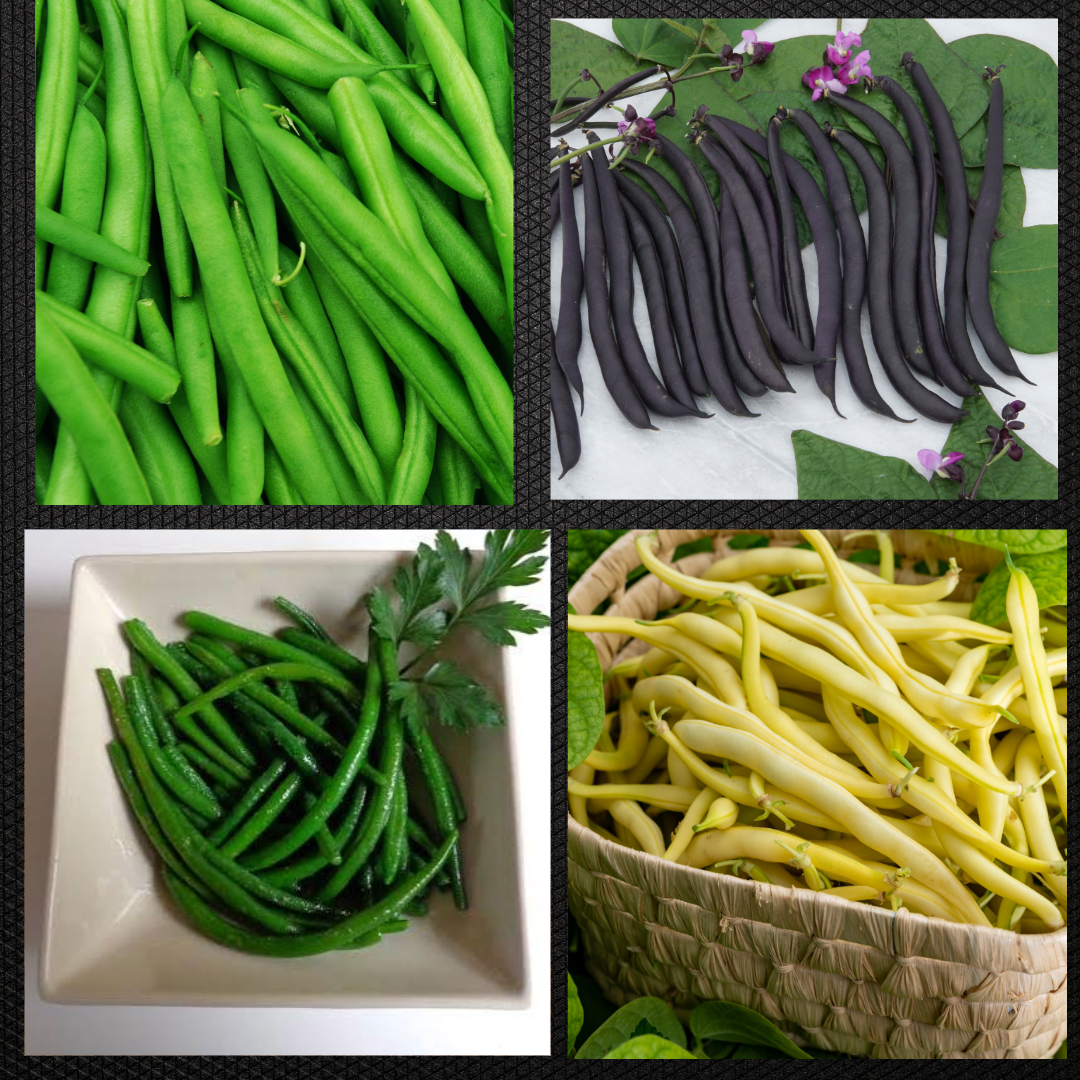
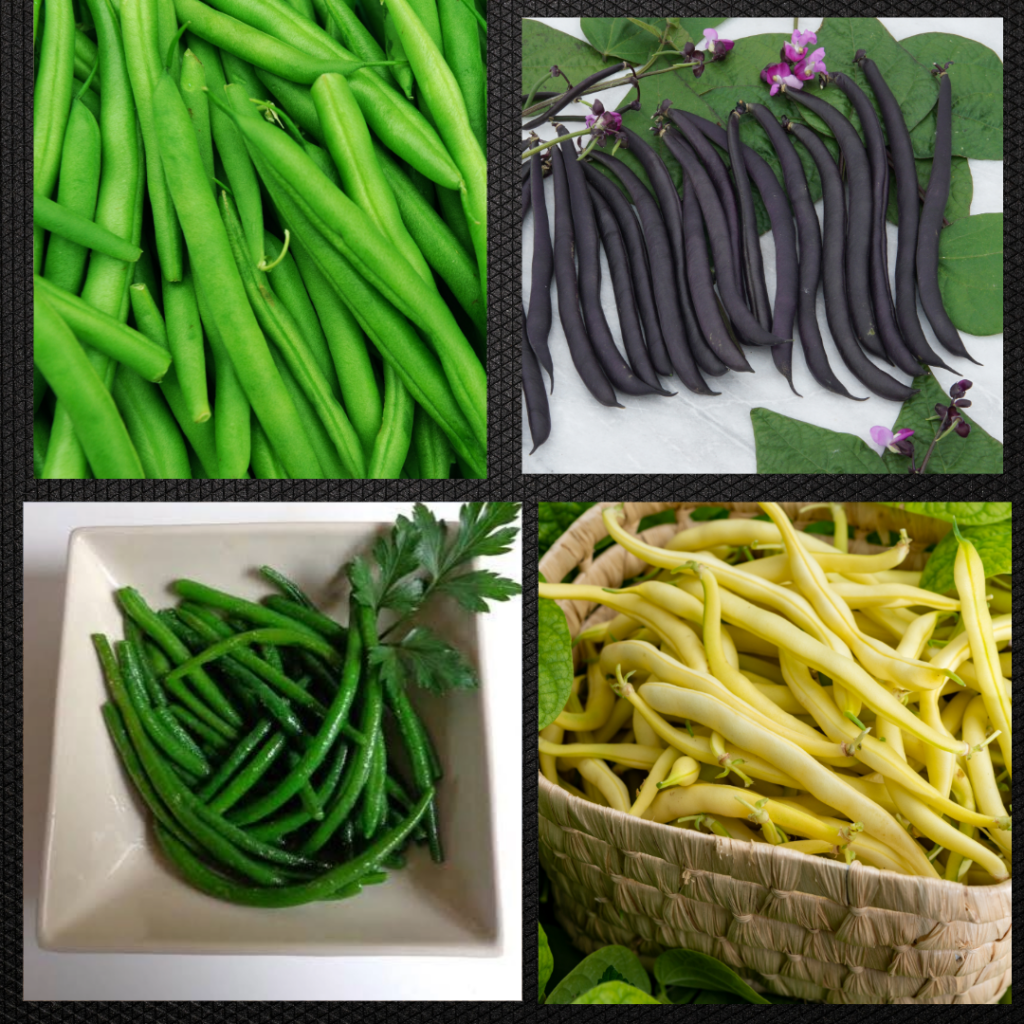
You also have some great options for varieties of beans. There are the colors — bright green, vivid dark purple, and yellow wax. Unfortunately, the purple beans turn green when cooked, but if harvested early and small, they can be eaten fresh on a veggie tray.
Besides color, there are different varieties of beans that are gaining popularity. My very favorite is the French green, bean also known as haricot verts.
French green beans, also known as filet beans, are slender, small beans that are harvested earlier than standard green beans, making them longer, thinner, more delicate, and more flavorful, with a crisp texture that makes them ideal for quick cooking, or even eating fresh.
If you want to walk on the wild side with some unusual varieties, there are yard long beans, also known as asparagus bean, producing pods 14 to 30 inches long; Chinese Red Noodle Bean; and Green Anellino Italian bean.
Beans have one major pest — the bean leaf beetle — which looks like an elongated ladybug, with a mustard yellowish green jacket with spots. These beetles are responsible for the Swiss cheese holes in your bean leaves. Fortunately, beans can sustain quite a bit of defoliation, but can still produce a full harvest.
Strategically, if you wait to plant later, say mid-June, this can reduce the number of beetle problems. You can also cover the plants with a row cover or use a vegetable garden approved pesticide. Always remember to read and follow the labelled instructions, especially with food crops. Read the days to harvest panel on the insecticide instructions, and be sure to follow it.
If you do not see a days to harvest on a pesticide — it is probably not labelled for use on food crops.
The question I don’t get asked, but should be, is when to harvest beans. As always, this depends on variety, but harvesting beans that are past their prime often results in disappointment on the dinner plate. Overripe beans are often starchy, tough and bland.
Harvest green beans after morning dew has dried and when they are smaller, but filled-out pods. A good rule is, harvest when beans are the diameter of a pencil. Never wait until you see the bulging developing beans inside the pod, those are overripe.
I always prefer harvest to be literally garden to table, same day, for the freshest flavor. But beans are heavy producer. So to keep that harvest, freeze them.
The key to high-quality, home frozen green beans lies in blanching. The USDA recommends blanching green beans before freezing, which kills enzymes inside the vegetables that can cause a loss of color, texture and flavor over time.
To avoid mushy green beans, it’s important to stop the cooking process before they become overcooked. Use an ice water bath to shock green beans after blanching for a higher-quality frozen product.
Freeze beans in freezer-grade plastic containers and use within 6 to 8 months for best results.