Just don’t do it, you are not helping … wildlife babies
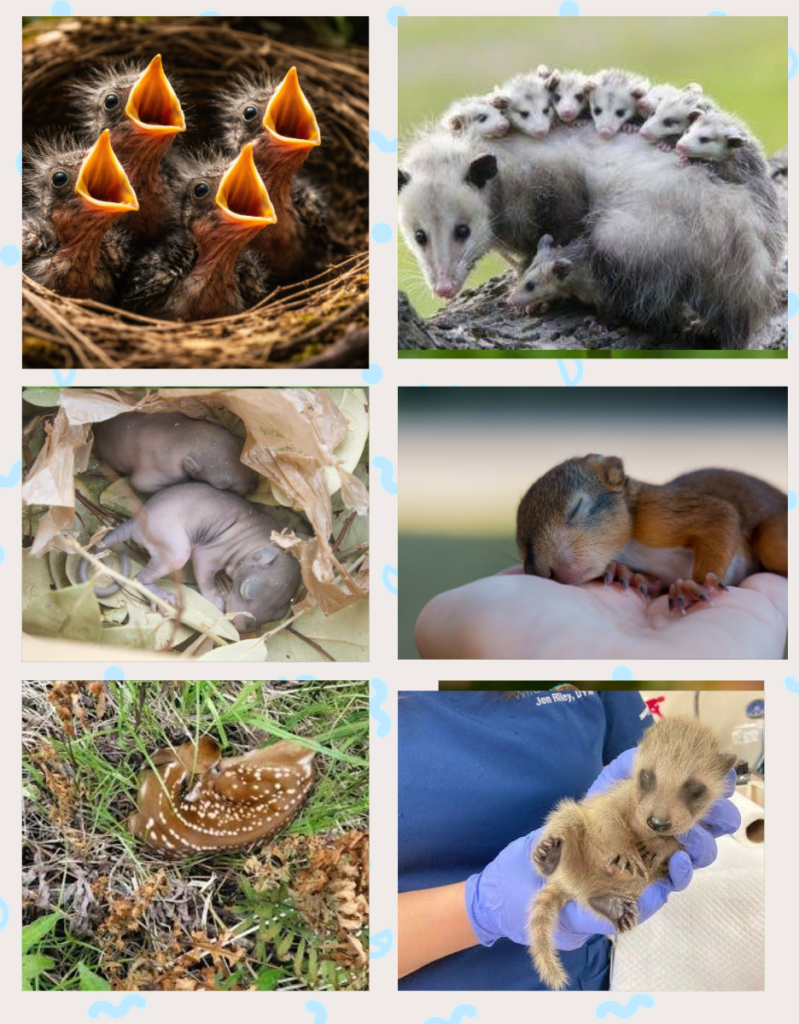
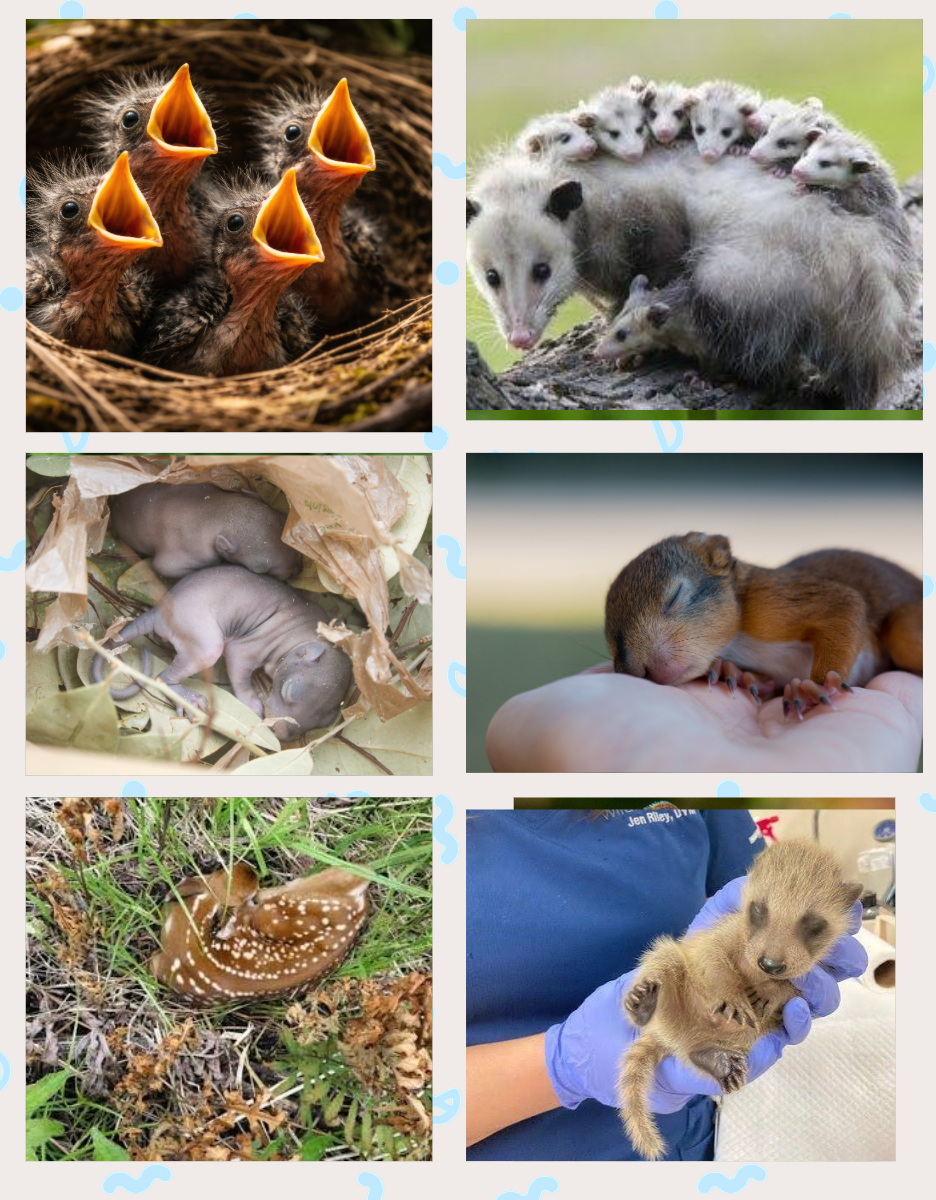
It is not only the plants that are growing right now, most of our Midwest wildlife — from bird to bug to mammal — spring is the time for wildlife babies.
And people are calling, calling our office, Pilcher Park and many other nature-related agencies, wanting to help. But for the most part, helping is not helping. And you need to know why.
I know, the human urge to help, or fix things, or save things, it is strong, and a great part of our complex human brains. But nature knows nature, and evolution is an amazing teacher, even if it sometimes seems cruel. But unknowingly, we are unintentionally hurting and not helping most wildlife.
Especially in this age of information, and you can google how to help or care for or raise any animal. But often times, the info or video doesn’t provide sound information. I myself have tried, in my youth to “save” so many baby birds. I thought I knew what to do: get a box to put them in and find the ol’ eyedropper and fill it with water and drip it into those little, wide-open mouths.
But guess what?
Most of them died. I thought at the time it was because they had been injured, or not cared for too long before I “saved” them. But sadly, knowing what I know now, I probably led to their early deaths. And that is the worst feeling of all. Why? Biology.
And why isn’t anyone who just tries to save baby wildlife considered an ad hoc wildlife rehabilitator? Because there is so much to learn. So with baby birds, aspiration pneumonia, where food or water goes into the lungs via the trachea, is extremely common.
Birds have a glottis that leads to the trachea/windpipe. It is located at the base of the tongue. And food/water can accidentally be sent down into the lungs, instead of the esophagus/food tube. When this food/water goes into the lungs, it can cause immediate suffocation, or worse, yet, lingering, slow death infections. And here I thought I was helping.
Once I learned this, I dug a little deeper for more correct information on baby birds and was surprised to learn new things. I thought when baby birds opened their mouths, that was an indication that they were hungry. I learned it can also be a stress reaction that is automatic and does not indicate the need for food, or that they are imprinting that I am their new parent.
Wildlife rehabilitators are specially trained to know the way to properly feed and care for birds and other wildlife.
An even more important lesson is to learn: If an animal really needs help, or is it nature’s way for the parents to be away. Take the example of the white-tailed deer. I have actually witnessed a half dozen tragedies like this. Someone has taken a newborn baby deer, sometimes even still wet from birth, and doesn’t see the mother/parents nearby and decides it is abandoned, and is driving it around in their car, going from nature center to nature center to get “help.”
Or worse yet, take it home. You have just now ruined nature’s natural master plan. White-tailed deer leave their newborn fawns alone for hours at a time to protect them from predators. Because fawns are born almost scent-free and rely on camouflage, the mother stays away to avoid drawing predators, such as coyotes and dogs.
Nature has made a plan that already works. A mother deer is fairly large in size and easy for a predator to spot. Even though I find it amazing when I see deer vanish just feet away from me into the woods. But a fawn (baby deer) is made with almost perfect camouflage. And in wildlife (and some livestock, like cows), newborns instinctually stay still-to lay low, and be silent.
The mother instinctively puts them intentionally in a hidden spot. If they have twins or triplets, the mother will actually find a different spot for each one. This natural strategy prevents predators from finding all of them at once.
Unfortunately, humans come upon this scene and see what they believe a baby who is “abandoned.” It is not. The mother is out foraging nearby to produce enough milk and will return to nurse their baby a few times a day, usually at dawn and dusk. There is no need to intervene.
One of the largest number of calls we get are about baby squirrels found under a tree. Squirrels build significantly large nests called dreys. They are large nests built in trees constructed of branches, leaves, and the occasional Walmart bag. You can see these nests when the leaves fall from the trees or even now before trees are in full leaf.
Squirrels are an example of knowing if you need to do something or leave them be. If you find a baby squirrel with its eyes closed and hardly any/no fur, you can observe it for an hour (always a good practice with all wildlife – first, do no harm) to see if a parent comes to get it and put it back in the nest.
Baby squirrels can fall out of nests, especially when we have high windstorms. If no parent comes back, and the squirrel has closed eyes and little fur, or is in visible distress — bleeding, broken bones, getting cold. This would be a time to intervene.
Put it in a box with a lid, do not give it food or water, and contact your local rehabber. But a well-furred baby squirrel with eyes open, and bushy tails should be left alone, as they are young, but able to care for themselves.
In none of these wildlife baby circumstances, should you look at these animals as potential pets. They are called wildlife (non-domesticated) for a reason. If you think you are domesticating wildlife, you are robbing it of its nature — what it is hardwired to do. Leave nature to nature.
So if you find yourself in a situation where you think you see abandoned baby wildlife, instead of googling how to care for them, you should google “wildlife rehabilitators near me” instead.