Welcoming wildlife the right way-think like a bird … or opossum
It is almost here … gardening season, when buds will be bursting, worms will be rising and, yes, wildlife will be setting up housekeeping and nurseries for their breeding season, whether they are here year-round, or are part of the huge amazing phenomenon of migration back to Northern Illinois.
And if you are someone who encourages wildlife to be a part of your own landscape, here are some considerations you might not have, well, considered when it comes to what wildlife needs and when:
I was inspired to write this particular column by a couple conversations I was a part of recently. One person mentioned they would be “getting out the birdfeeders” now that the nice weather is coming. The other person mentioned they were getting ready to put their feeders away now that spring was coming.
Both comments surprised me, as I know both of these folks are long-time wildlife advocates. You may already realize my reaction … why would you just be starting to feed birds now when in the winter their resources are so diminished? And conversely, why would you think early March would be a good time to stop feeding as the natural foods birds eat, primarily caterpillars to feed their young and seed to feed them, aren’t anywhere in sight for months still?
Think like a bird.
So, I thought I would dedicate one column to wildlife’s wants and needs in spring. Clearly, some people think they are doing the best for them, when in reality, they are making things more difficult.
Birdwatching and feeding as hobbies are second only to gardening as popular hobbies in America. But there are several missteps we don’t realize might be problems.
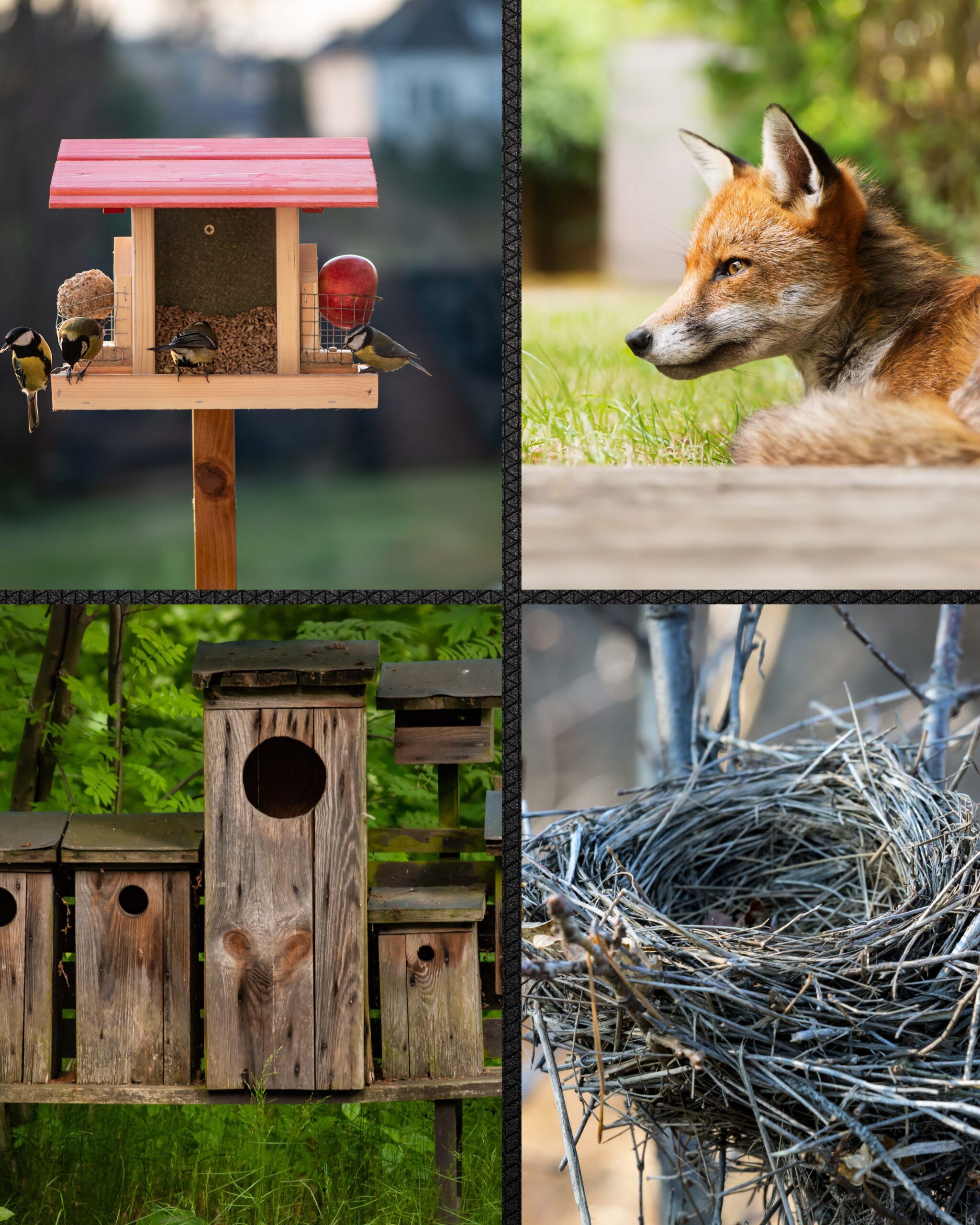
The number one issue I see often is improperly placed feeders and birdhouses. Did you put your child’s nursery in the middle of a busy restaurant? No. Same is true for birds and other wildlife.
Or do you want to go to the busiest restaurant in town where everyone seems to be eating. Also no. Spread your feeders out. Also choose different types of bird food from seed to suet to berry or citrus, to mealworms (a favorite of bluebirds).
And when it comes to birdhouses, as I have said many times in the past, reproducing and making more of themselves, is the number one goal of all of nature. Survival of the fittest. In animals, rearing and protecting their young from predators, making sure their species will survive and increase is their top priority.
That is why you discover natural nests, those that aren’t using a manmade birdhouse locations, they are tucked away from busy areas usually and protected by branches, or camouflaged by natural materials. So, they can, as much as possible, assure this year’s babies will make it.
There are a few exceptions to this among our most social of birds, like the American Robin. I get so many questions about what to do because a robin built a nest in their front door wreath, or over the front door. So much for staying out of sight.
But my answer is, as it is for wildlife rearing of most species, if you possibly can, leave them be. The rearing timeline for birds is quite short and species dependent. But within a few weeks, most wildlife is genetically hard-wired to have young that are prepared to move out of mom’s house fairly quickly. They have to, because the term “sitting ducks” is an accurate one.
The longer young animals are helpless and immobile, or can’t care for themselves, the greater likelihood they will be found by a predator. So, when you are siting birdhouses keep this in mind: Think like nature itself. The ideal spot is, of course, a protected out-of-the-way site that you can still have a great view of to witness, again, the miracle of nature.
Another common misstep is when people put many birdhouses on one pole or in one area. Again, think like a bird: Neighbors are potential predators; space the birdhouses apart as much as possible.
Now you might not think you invited a fox, raccoon, skunk, or opossum to your home to rear their young, but you might have unintentionally. You didn’t notice or didn’t think it was a big deal when you saw that hole under your deck or shed getting bigger last fall or this spring. So, you did nothing about it. Timing is everything.
Most of our wildlife breeding is timed to the seasons, perfectly honed by evolution and again, hardwired into each species. So, mating can be late winter and early spring, with young being born by mid-spring and moving out as soon as they are independent. Once gone, then you can address the fact that you made the Hyatt Regency for your neighborhood opossum by not creating a barrier under your deck so that hotel is closed.
I always put a little cooking flour over the area to see if there are any tracks in or out to be sure they have moved on.
So best idea, IF it is safe and tolerable, let them have their babies where they are, and they will be gone in a month or so. Give nature a chance. But not a helping hand. So many times, I have seen well-meaning people try to “save” wildlife babies and end up causing excruciating death by trying to keep them and feed them.
If you find a baby wildlife, be it bird, raccoon, and especially a fawn, and it is alone, don’t assume it is abandoned. Leave it be. Its parents may be leaving it alone to find food and water and distract predators. If the animal still remains hours later, contact a wildlife rehabilitator before you take any action.
If an animal falls in a window well, don’t try to personally remove it, or injure it or spray it. Put a long board or branch in the window well and walk away. Believe me, that animal wants to get away from you more than you want it out.
That is not to say I suggest leaving a racoon or squirrel family take up residence in your roof or attic. That is why I said only if it is safe to let them complete their breeding cycle.
Anytime an animal breeches the home, removal sooner is better and with a licensed professional.