Is it the Dawning of the Age of Asparagus?
OK. You caught me. If I am titling my columns paraphrasing the 1969 hit song by the Fifth Dimension, you have a good idea of my age. And know that I have an affinity for dad joke- quality gardening puns.
And speaking of age, did you know we can grow three vegetables in Illinois that last ages? Not just one season? These perennial vegetables can last and produce for decades in the home garden: horseradish, rhubarb and, to me, the best of all — asparagus.
Asparagus is not only incredibly delicious, but with some basic information, asparagus can provide an ever-increasing harvest for at least 15 or 20 years before it needs to be renovated.
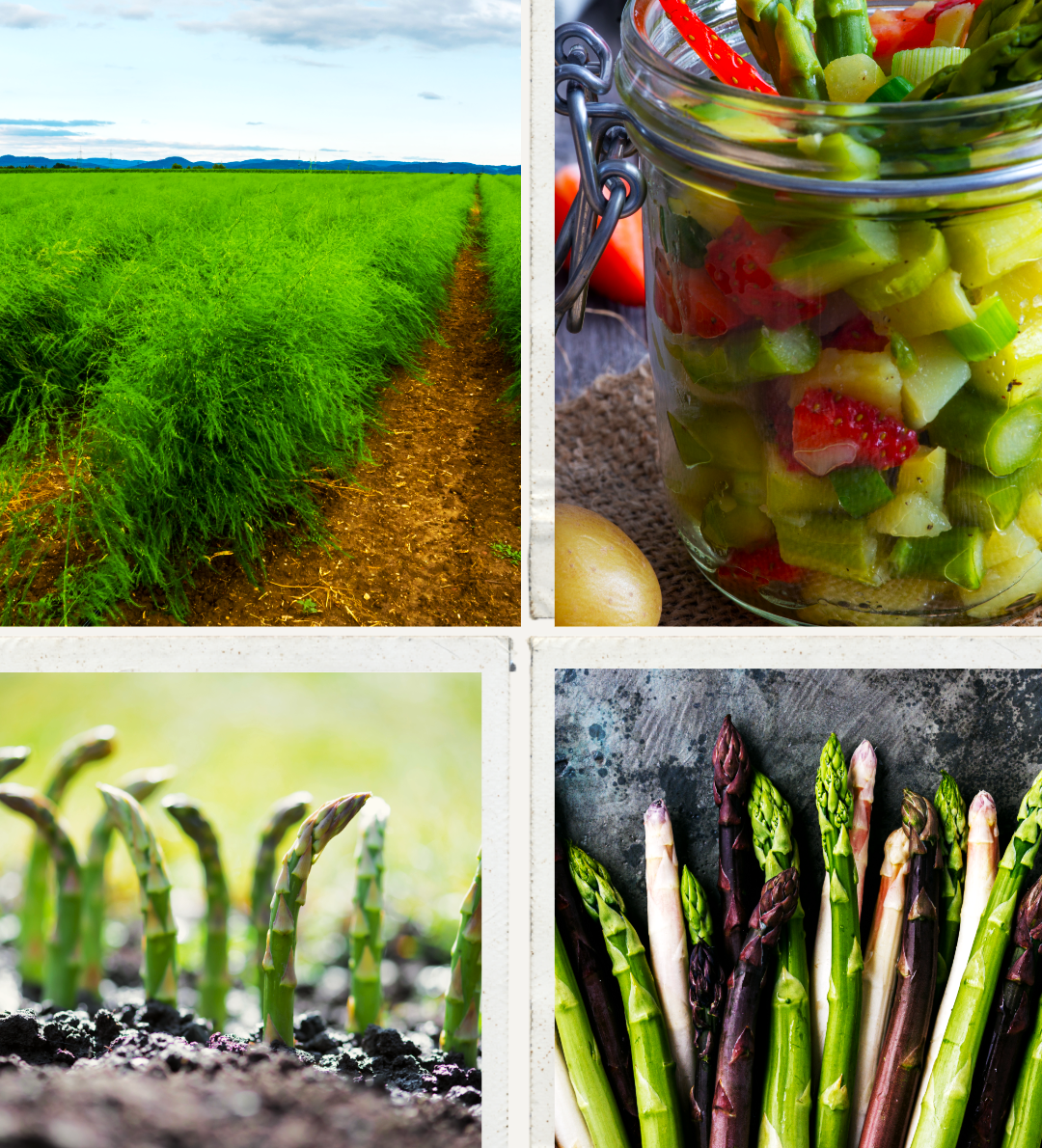
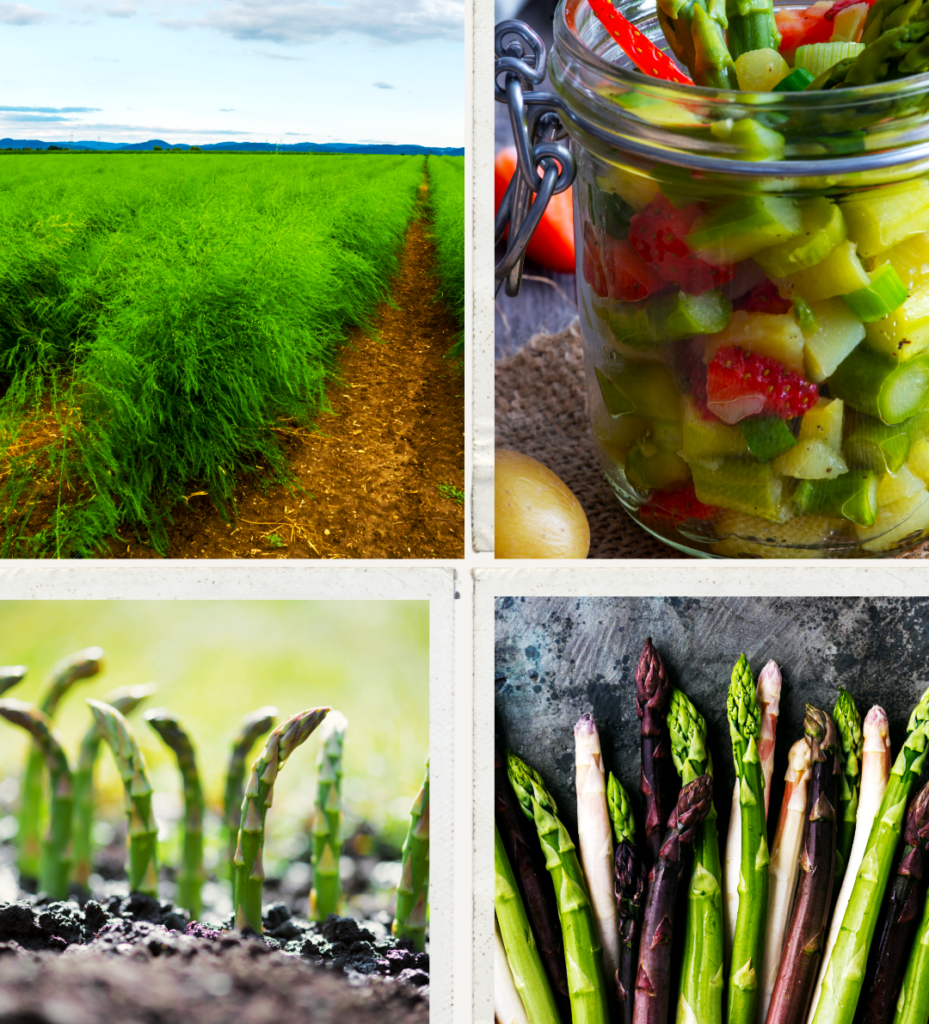
Asparagus also provides the home exterior something other vegetables don’t — a beautiful, ethereal, light fern foliage border that creates a beautiful landscape soft, wispy hedge that turns a bright rust color in the fall. Magnificent.
But asparagus isn’t often considered for the home garden. Back in the day, if you wanted asparagus, you went to the closest railroad tracks or country roadsides. One of my earliest curiosities was this fact. I had to know why this phenomenon happened. Was there a Johnny Asparagus (like Johnny Appleseed) going through the country planting asparagus, and he liked travelling by train?
Well, interestingly, yes and no.
Like so many other plants, asparagus was brought to the United Sates “from the old country” by European settlers. Asparagus’ original native range was seaside dunes of the Mediterranean and British Isles. Cultivation of asparagus can be traced to as far back as 200 B.C. in Macedonia and spread to most of Eurasia.
As European settlers brought it with them to America, it escaped cultivation and settled where it felt comfortable — in full sun, in temperate regions, in disturbed soils that are well drained. And where are these conditions? Railroads and edges of roadways.
And the mode of the spread was birds eating the asparagus fruit (yes asparagus makes berries!) and “depositing” the seed with bonus bird fertilizer along tracks and ditches. Now before someone out there starts calling asparagus invasive, or puts it on a need to be removed list, asparagus is not currently considered invasive.
I do love the term “feral vegetable,” which means asparagus has escaped cultivation, but isn’t causing any harm … and free food — a good idea, right? Well, actually, eat “wild” asparagus at your own risk.
Remember, railroad tracks and roadsides can be subject to many intentional or unintentional chemicals. From winter salt application to herbicide applications of who knows what to keep weeds down on tracks and shoulders of the road, I don’t know that I would be getting my asparagus there — even if it is free.
But, boy, the cost of asparagus at the store, pretty pricy, so why not grow your own? The reason most people elect not to is that perennial plan relationships are long-term. And you know how long the attention spans of people are today — it also applies to their gardens.
How many people start seeds anymore vs buying pre-grown plants? I had to do a double take the first time I saw four-packs of pre-germinated corn and beans.
And how many people call me concerned that their perennials “aren’t doing anything,” even though they paid more than 10, and the plant had flowers on it when they bought it. Patience, my friends, patience. First-year perennials sleep, the second year they creep, and the third, they leap.
And that is the same for asparagus. Harvest is a few years down the road. To plant asparagus follow these tips. (This information is from the University of Illinois Extension web page: https://extension.illinois.edu/gardening/asparagus 1/2026
Because asparagus remains in place for years, advance soil preparation helps future production greatly. Working green manure crops, compost, manure, or other organic materials into the proposed bed well in advance of planting is a good approach.
Asparagus should be fertilized in the same way as the rest of the garden the first three years. In the spring, apply 10-10-10 at a rate of 2 pounds per 100 square feet and incorporate with soil tillage.
Starting in the fourth year, apply the same amount of fertilizer, but delay application until June or July (immediately after the final harvest). This approach encourages vigorous growth of the “fern,” which produces and stores nutrients in the roots for next year’s production season.
Asparagus should be planted as soon as the ground can be worked in the spring. One-year-old crowns or plants are wholeheartedly preferred.
Place the plants in a trench 12 to 18 inches wide and a full 6 inches deep. The crowns should be spaced 9 to 12 inches apart. Spread the roots out uniformly, with the crown bud side up, in an upright, centered position, slightly higher than the roots. Unless adequate space is allowed between rows, asparagus roots will compete with those of other crops for food and water. Asparagus roots may spread out laterally for 5 feet or more over the years.
Cover the crown with 2 inches of soil. Gradually fill the remaining portion of the trench during the first summer as the plants grow taller. Asparagus tends to “rise” as the plants mature, the crowns gradually growing closer to the soil surface. Many gardeners apply an additional 1 to 2 inches of soil from between the rows in later years.
As asparagus plants grow, they produce a mat of roots that spreads horizontally rather than vertically. In the first year, the top growth is spindly. As the plants become older, the stems become larger in diameter.
Asparagus can be harvested the third year after planting crowns, but for no more than one month the first season. The plant is still expanding its root storage system and excessive removal of spears weakens the plants. During the fourth year and thereafter, the spears may be harvested from their first appearance in the spring through May or June (as long as eight to 10 weeks).
Next week: The other perennial vegetables: rhubarb and horseradish