Seedling envy … do you have what it takes?
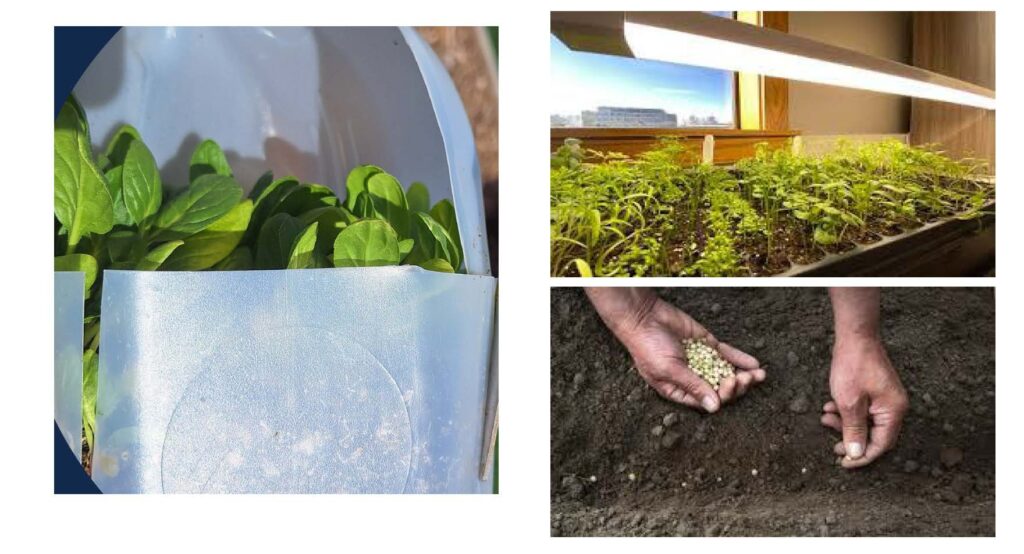
I don’t know about you, but by February 15, I should have my own home-grown fresh lettuce seedlings ready for harvest for my next sandwich.
Yes, harvest. Yes, from seed. For or gardeners, the itch is real. No, not from poison ivy; the itch to be gardening. To smell that moist soil, get some under the fingernails and witness again the miracle of seed germination.
But isn’t it too soon? Yes, no and maybe. But now is definitely the time to strategize and experiment to get your best garden ever. I am talking seed starting. And, for me January 1, isn’t celebrated by getting over a little too much New Year’s Eve, but rather, every January 1, I start my gardening in a big shallow container in my kitchen, planting mixed-cut and come again lettuce seeds.
That is how I get to enjoy my mid-February harvest of my own. Lettuce doesn’t require full sun, just like the other leafy greens we eat, so the short daylight of just past solstice still will germinate fairly quickly. And as long as I remember to water regularly, the selective harvest can begin, within a month, just cutting a few leaves as needed.
But there are several tips and tricks in choosing when and how to start seeds to get the best transplant for the spring garden. So many gardeners enthusiastically start out with an armload of brightly colored seed catalogs, but end up with disappointment, vowing never again, and opting instead for buying already grown transplants. And that is a fine (albeit more expensive) endeavor as well.
But seed starting offers gardeners a much broader availability of selections of everything. You just have to find what works to produce the best transplant. There are three main ways to start seeds, including direct sowing, where seeds are planted directly into the garden in prepared soil only when the conditions are right for a quick germination.
Direct sowing of seeds outside too early in our fickle Midwestern weather, can hamper proper development quick enough so the seed doesn’t sit in cold, wet soil and ends up rotting before it can germinate.
Also, direct sowing is not realistic or practical in Northern Illinois for our favorite vegetable garden crops that originally grew natively in warmer climates like South America. Sure, you could direct sow tomato seeds in late May, and but your first tomato would be ready in late August; same with the peppers.
So, we have to create a “false spring” to give these seeds a jump start by planting pepper seeds by mid-January indoors (those peppers take forever to get going) and starting tomato seeds in mid-March to have a proper transplant.
The vegetable seeds that do best direct sown are all of the root crops — carrots, onions, beets, radishes, turnips, etc. But also include the seeds that do not like root disruptions, like peas and beans and those that are fast to germinate like beans and corn. But you have to follow the packet recommendations (and Illinois Extension for more detailed information) to be sure you are planting them at the right time and depth.
Sure, you can buy almost anything in transplant form, I almost laughed out loud the first time I saw sweetcorn sold in individual cups, instead of direct sowing. But soon realized that I would be getting calls from homeowners who would buy one or two corn seedlings and wonder why they didn’t get any corn harvest.
Corn, of course, is a wind pollinated crop that has to be planted in blocks to assure adequate pollination, not as a singular specimen plant or in a single row.
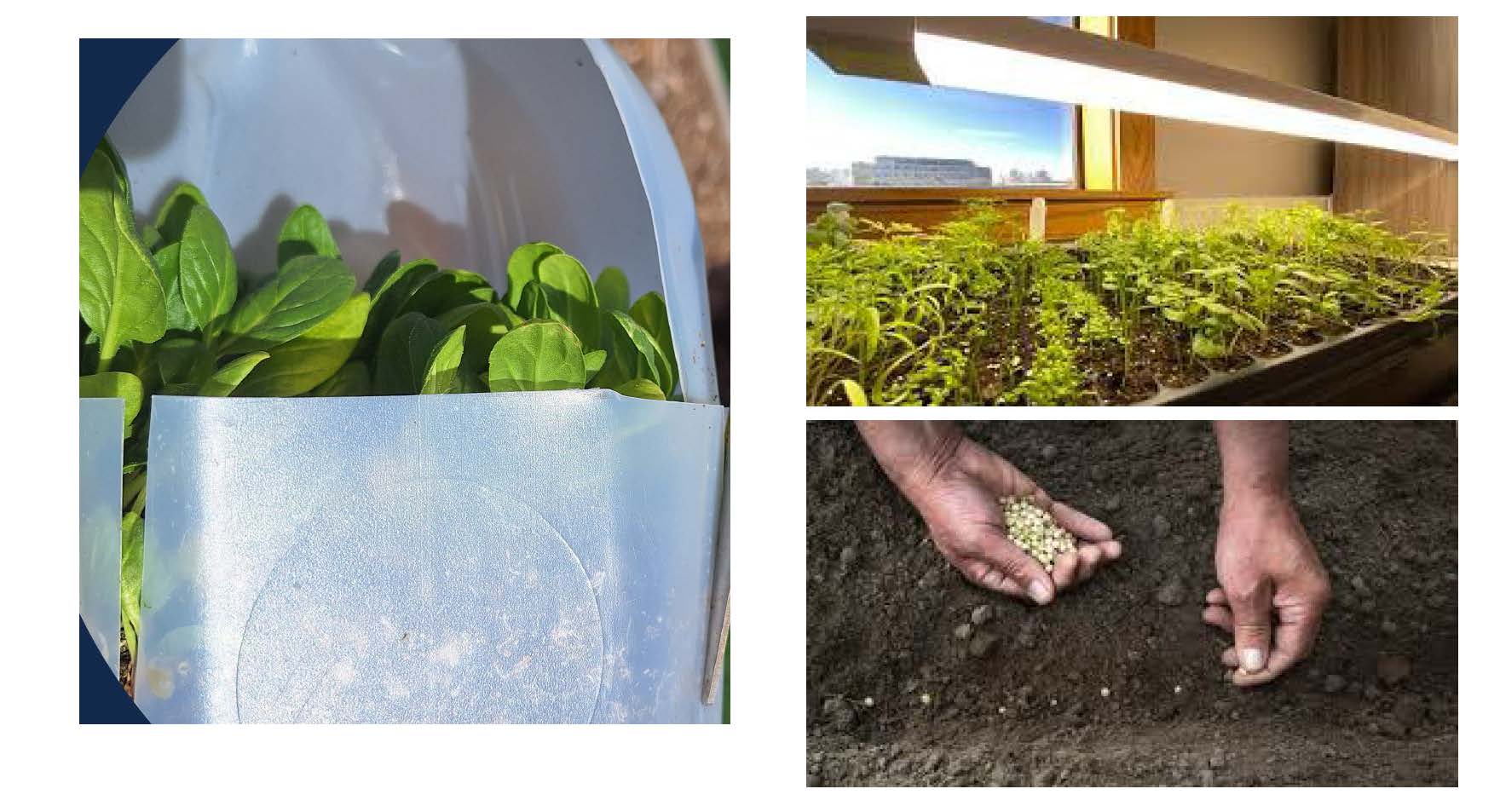
The most traditional seed starting had been done inside with some type of light set up or near a window. And this is still a common practice today, but remember I said the goal of seed starting is to produce the hardiest seedling?
Indoor seed starting can often be trouble with producing thin, tall, lanky weak seedlings with few roots. These fragile transplants usually don’t make a successful transition to the garden. And this is why people often give up seed starting. You spend eight to 10 weeks nurturing these little plants, but they are not robust enough to be successful.
The tricks for this method are these: Seeds (with some exceptions) need darkness and warm soil to germinate. As soon as that seed breaks the soil line and you see the green seed leaves (cotyledons) poking up, it is time to get them to a strong light source, but also a cooler temperature so short, stocky, robust transplants develop slowly. Be sure to keep the light source no more than 2 inches above the top leaves, and raise it as needed.
Also with traditional inside seed starting, you have to have a period of transition called hardening off to acclimitize the seedlings to wind and variable temperatures. This time-consuming activity means you will start putting the seedlings out a week before you plan to plant. You put them up against a protected from wind site, where they get gradually increasing exposure to light and particularly wind.
And only then, do you transplant. Easy, right? Not always. But rewarding if you combine these techniques to develop a quality transplant. But, indoor transplants even when they are stocky, don’t make a highly developed root system, as my favorite, lazy gardener technique does — and that is wintersowing.
I have done columns on the wintersowing technique every year, and many readers have marvelled at the ease and are surprised at the results of the seedling quality, and ultimately the harvest.
Basically, you are entrusting all but the most minimal beginnings of seed starting to Mother Nature. I will elaborate more next week when I dedicate my entire column to the details of wintersowing, but here are the basics:
Wintersowing involves taking a container (usually a recycled gallon plastic jug), making large drainage holes and an opening so you can fill the jug halfway with moist soilless mix, add your seeds, take the cap off the jug and secure it outside, right now. Yes, in Janaury.
Mother Nature’s light/dark cycle along with the freeze/thaw will direct the seeds to germinate on their own gentically hard-wired timeline. The results are the stockiest transplants with the most highly developed root systems.