Poinsettias Get a Bad Wrap, But Watch for the Real Dangerous Plants
Every year, I can count on several calls right after Thanksgiving about homeowners’ poinsettias.
Surely, I must be confused, aren’t poinsettias associated with Christmas? Yes, they are. But just like the jack-o-lantern that appears the day after Fourth of July at every store, poinsettias are showing up earlier and earlier. I guess that goes with the trend for those who now put up their Christmas trees before Thanksgiving.
I judge no one’s personal holiday decorating schedule. But where I do get involved is when a poinsettia is purchased mid-November and looks like it is ready for the compost bin long before Santa comes.
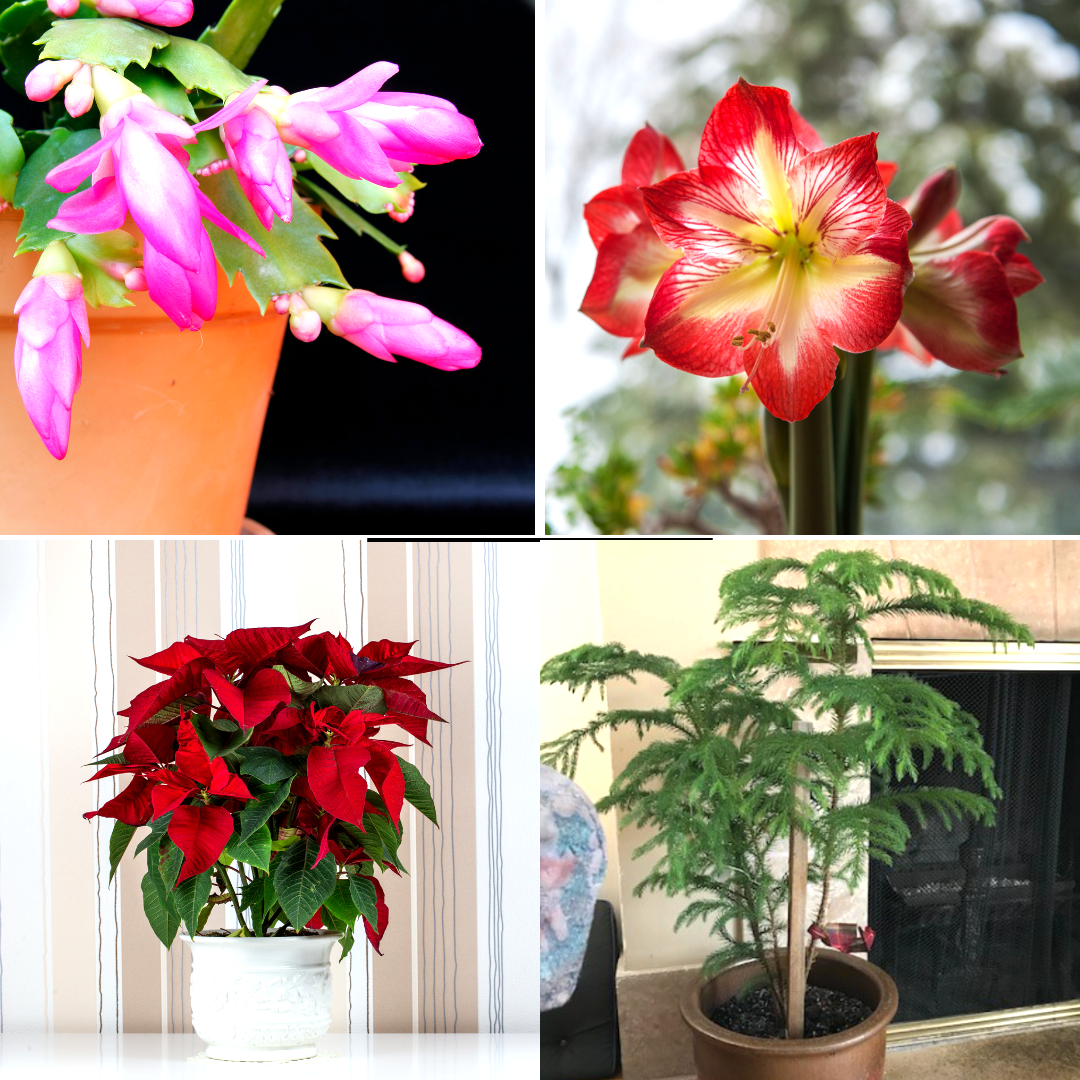
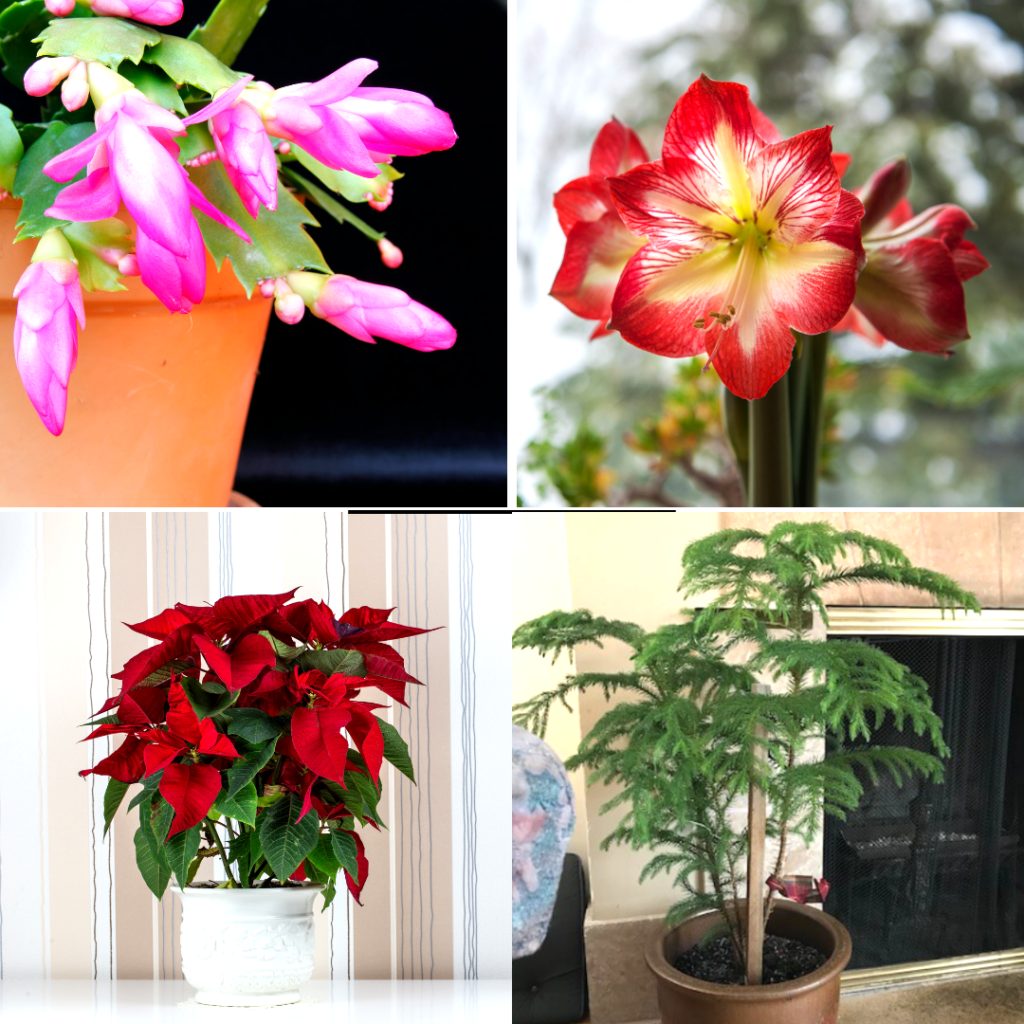
There is one overriding cause of decline and death of holiday gift plants. It doesn’t matter if it is a poinsettia that comes in a wide array of colors and flower sizes, or the beautiful Christmas (or do you have an Easter or Thanksgiving) cactus, an amaryllis, or the “indoor” Christmas tree, the Norfolk Island Pine.
All of these usually come in their own colorful wrapping. The bright and shiny, foil-looking pot wrap. Not only does this make the gift plant more festive, but it also allows for worry-free placement, because these pot wraps are waterproof.
No longer do you have to worry about the plant damaging your coffee table or windowsill. But the furniture isn’t my concern, the plant is. And these pot wraps are killers. Most of the calls I receive are about that new poinsettia looking somewhat sickly.
The brightly colored bracts (not flower petals) are starting to droop and maybe even resemble Charlie Brown’s Christmas tree, with leaves falling off every time you pass by. The problem is that waterproof wrapper is a coffin.
And when you think you are doing the best care by regularly watering your new poinsettia, what lurks below that bright, festive wrap is deadly; not to you but to your plant. You are rotting the roots off your plant because that wrapper prevents letting any of that water evaporate.
And just like when someone has heart disease, their chest doesn’t turn blue, it is their fingertips and lips-the farthest part from the circulation; plants, too, have a similar reaction. When a plant is drowning, the extremities of the plants, those farthest from the central circulation, start to turn brown and dry.
And what does a gardener do when they see a plant drying up? They water, of course. Then they water more, and more, and quickly the plant starts to drop leaves, and decline. Then it is off to the compost bin or garbage at the curb. But you can stop this madness with a few minor modifications.
On any plant you receive that has the foil wrapper of death, you can just poke some holes in the bottom of the wrapper and put a plate or saucer under it; or you could remove the entire wrapper together. Either way, this will allow excess water to freely drain from the pot, keeping those roots happy and healthy.
I also am often asked about the safety of holiday plants. The number one question is always about poinsettias. But you may be surprised to learn poinsettias aren’t actually poisonous. That idea came from an erroneous report early in the 1900s.
For humans who are allergic to latex, the sap can cause a reaction. For pets and people, the large leaves or ingesting large amounts could cause stomach upset. But they aren’t really poisonous. But there are many holiday plants that are.
When people ask me if poinsettia are poisonous, I always mention all the plants below that the callers are quite surprised they are poisonous.
Any plant in the amaryllis family (Amaryllidaceae) is highly toxic especially to our pets. These include onions and garlic (which are in the Allium/Alliodeae sub family) and daffodils and paperwhites (Narcisseae subfamily). These contain toxic alkaloids that do much more than just a vomit session. These can be seriously life-threatening.
The evergreen yew (Taxus), which is a light green, soft-to-the-touch needled plant that has bright red berries is extremely toxic to both people and animals. A small amount of yew can even make a horse very ill. I always caution families with children/grandchildren about berried plants. They are so colorful and look like candy, and so hard to resist.
Interestingly Taxol, a breast cancer drug comes from the yew plant. Many of the plants considered poisonous are often medications, in very low doses.
Even the houseplant holiday gift plants can be problematic. The kalanchoe, a great houseplant with bright flowers, is a plant that is significantly toxic to pets. Kalanchoes contain cardiac toxins called bufadienolides which can cause heart arrhythmias and weakness.
The other holiday plant, that I feel particularly bad for, is the holiday “Christmas tree,” the Norfolk Island Pine. It does go in the category of mildly toxic, but the reason I feel for it relates to the accidental, well-meaning killing of these lovely indoor plants. Evergreen? Indoors?
Well yes. The Norfolk Island Pine falls under the tropical evergreen category. These beautiful tabletop trees for us are native to the Southern Hemisphere in a warm climate. All too often, even the most experienced gardener will set them outside after the holidays have passed, intending to plant them outside as soon as the ground is workable.
Instead, you have killed them. They cannot tolerate cold temperatures, but they can grow on very nicely as a houseplant for many years.
So right about now you are probably thinking, that’s it. I guess I shouldn’t be getting any holiday plants. No, not true. Lots of plants have poisonous parts (tomato leaves are toxic as they are a part of the nightshade family), so does that mean you have to forgo a BLT? No.
Just exercise caution. If you do have curious pets or children, maybe choose non-toxic holiday plants like the Christmas cactus (also there are Thanksgiving and Easter varieties) or, yes, even the poinsettia.
Other options are to keep these plants relegated to areas where kids and pets can’t access them (right about now my cats are laughing because they know that place doesn’t exist.)
And finally, there is always artificial flowers. Today’s silk and other fakes are so well designed, the look very real. I have had reports that people who put artificial poinsettias outside for holiday decorations but forget to take them in, have seen hummingbirds approach them in the spring!
Tucking in a few artificial flowers in here and there both inside and outside can brighten the holidays, too.