True Grit: and why we waited until after Thanksgiving to tell you
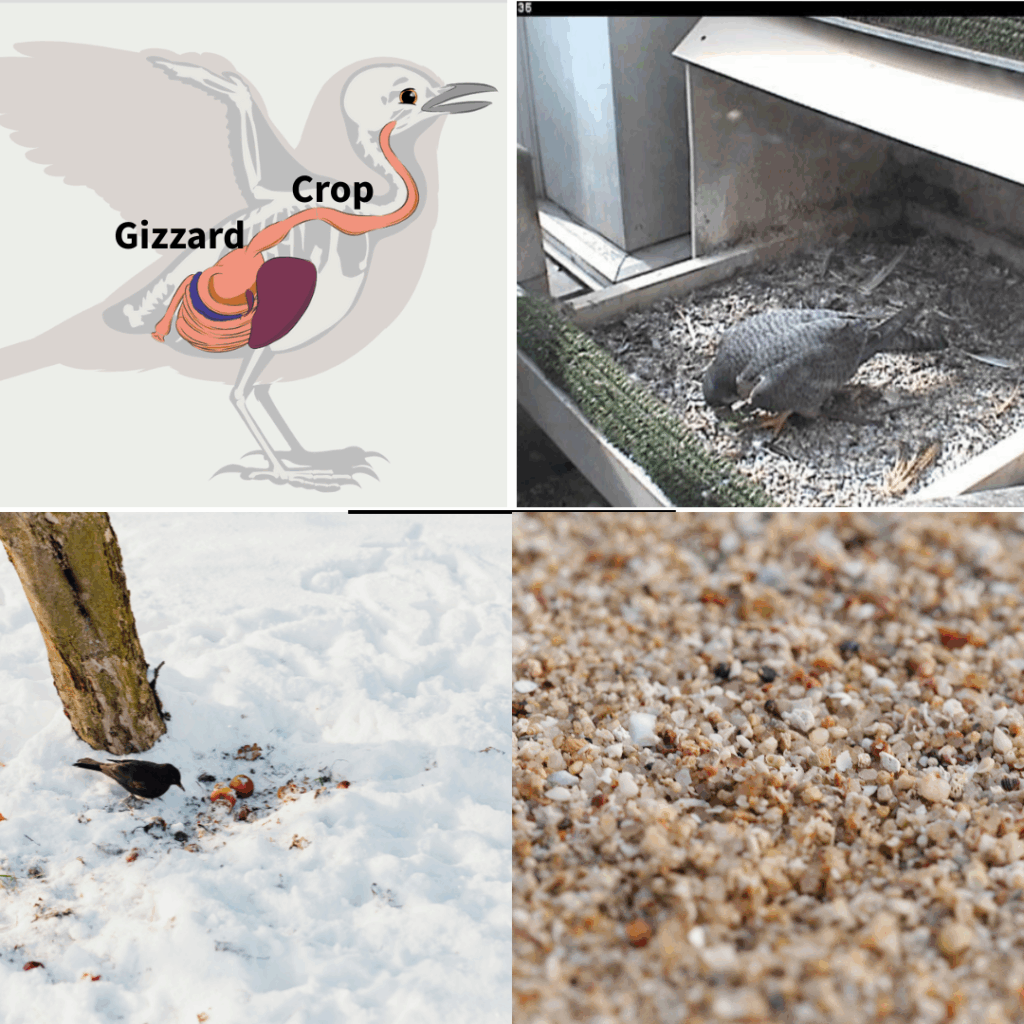
So, when is gravel not gravel? When it is teeth. Yes, teeth. And I am not talking about my nighttime grinding problem that has left me with munchkin teeth.
I am talking bird. Bird digestion. Did you know it was critical for birds to eat little stones and sand for digestion?
My inspiration for this column came a few weeks ago when my neighbor was putting in a paver path. I noticed several small, wild songbirds rolling and eating in the grout pile of sand and pea gravel.
And I remember how my grandpa used to keep an old shallow bowl filled with a similar combination of little rocks and sand right by the birdfeeders. I used to watch the birds go to that dish, but I never knew why. Until I learned about bird digestion.
Nature is so fascinating. I feel like the character Horton in Dr. Seuss’ book “Horton Hears a Who,” where Horton picks a fuzzy flower and realizes that a whole world is within that flower that he never knew about before. I am like that with science.
Which brings me back to the grit. Birds do not have teeth, well, adult birds don’t. Both agricultural poultry and many of our wild songbirds have one toothlike projection called an “egg tooth.” It is actually just a sharp calcium carbonate deposit at the tip of their beak that helps the bird to peck (called pipping) through the shell. This egg tooth dissipates shortly after hatching.
So, if this egg tooth goes away how do birds chew their hard foods like seeds and nuts, particularly the bigger ones? Let’s start at the beginning. First come the basics: mouth, and esophagus, but the commonality to many other animals, including us, ends there.
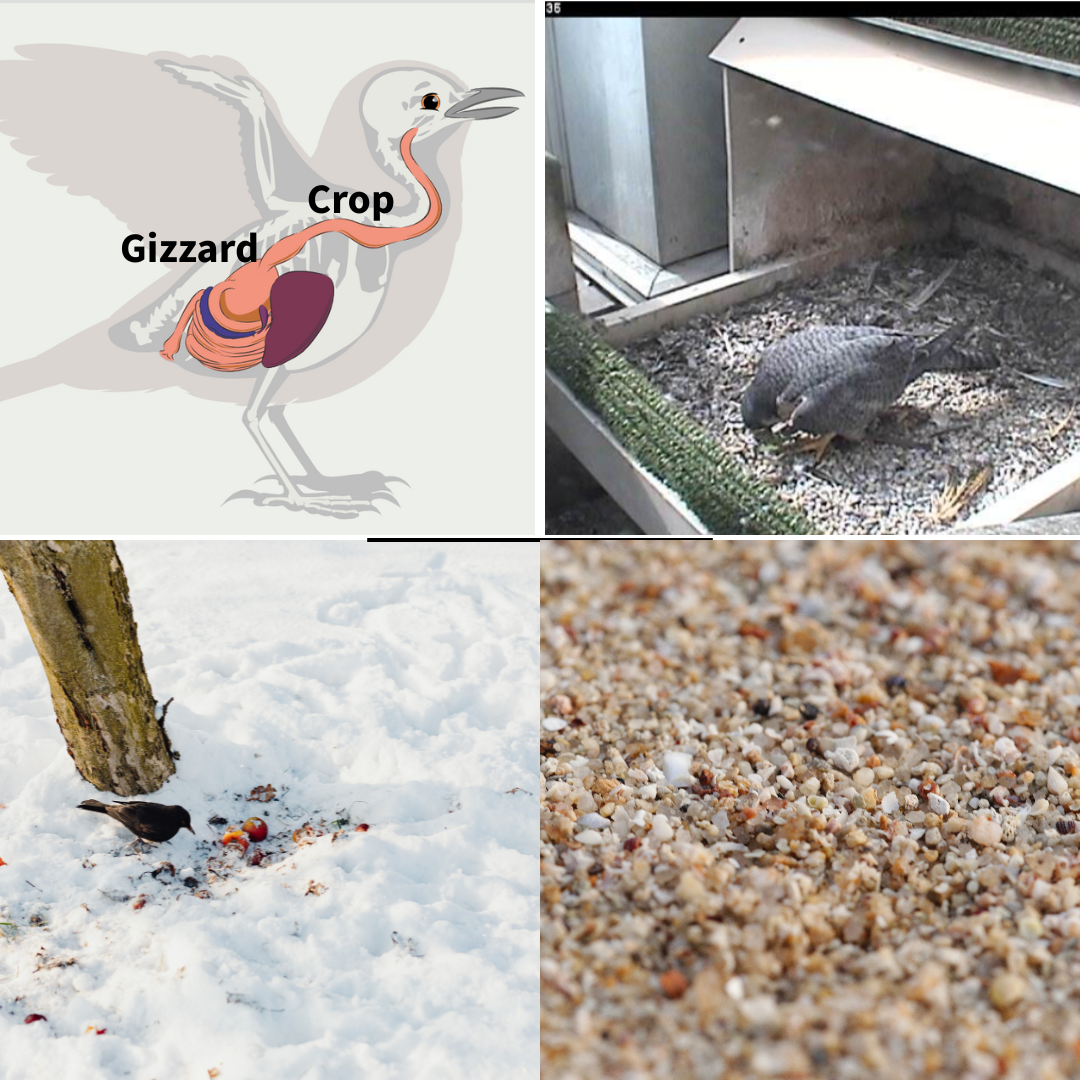
Birds mostly swallow their food whole. After going down the esophagus, there is a PODS-like storage chamber called a crop. This is where birds can hold food to be digested later. And in pigeons and doves, this is where the crop milk is produced that is fed to their young.
After the crop, birds’ stomachs are divided into two chambers. I kind of like to think of my car going through one of those automatic car washes. First there is the pre-wash, then the scrubbing.
The first chamber of birds’ stomachs is called the proventriculus. This chamber is a “chemical stomach” containing acids and enzymes that help begin to break down the food. The second chamber is more like our mouth and teeth.
The second stomach is called the gizzard, a muscular stomach containing those little rocks, stones, and sand that grinds the food down, acting like teeth. According to Cornell University, one of the world’s top science research institutions dedicated to birds, without grit, birds can develop intestinal blockages and malnutrition.
The remainder of the bird digestive system includes intestines where the food is absorbed and the cloaca. The cloaca is multifunctional one stop shop that is for digestive, urinary and reproductive tracts.
Waste from the kidneys and digestive system mix here and are expelled as a white slurry substance.
Time for snacks anyone?
There is some variance in birds that have specialized diets; they all have a gizzard, but it depends if the foods they eat are soft-bodied insects or soft fruits. Their gizzard is small and underdeveloped, and not as muscular in birds whose diets are mostly seeds. The insect-eating birds’ digestion is more by the chemical stomach.
And then there are the fruit-eating birds that eat a lot of fruit. I have been lucky enough to bear witness to a flock of Cedar Waxwings that descended on my Washington Hawthorn tress for three days and cleaned every berry off of them.
Their digestive system allows them to consume great deals of fruit in a short time and instead of trying to break down the seeds within that fruit, the seeds pass through the digestive system undigested.
And when those seeds exit the digestive system, it is with a little extra fertilizer. That is one of nature’s most successful methods of seed dispersal.
There are some birds, particularly the carnivorous birds of prey, like hawks and owls, that do eat their prey whole, or in large parts. The indigestible parts like bones, fur and teeth are trash compacted into a pellet and regurgitated later.
These pellets are often used in teaching youth about birds: They dissect the pellet to see what parts of which bird you can tease out to identify their diet.
But back to the grit. If you are a birder and like to feed the birds in your backyard, what is the best way to provide grit? Cornell University suggests the following:
- Separate container: Place commercial grit, crushed eggshells, or clean, crushed limestone in a small dish, pot, or tray near your bird feeders. This allows birds to take as much as they need.
- Eggshells are an excellent source of grit and calcium, but raw chicken eggs may harbor the salmonella bacteria.
- Shells from hard-boiled eggs were sterilized in the cooking process, but if you provide eggshells that weren’t cooked, bake them for 20 minutes at 250 degrees Fahrenheit, let them cool, and then crush them into pieces smaller than a dime. Offer eggshells on the ground, in a dish, or on a low platform feeder, separate from your seed feeders.
- On the ground: Sprinkle grit directly on the ground near feeders, especially on icy or snowy surfaces where birds cannot find natural grit.
Winter months: Provide extra grit during winter when snow and ice cover the ground, making it difficult for birds to find natural grit.
- Cleanliness: Ensure any grit you provide is clean and free of chemicals. Avoid using grit from old roofing shingles, which can be unhealthy.
- Size: Grit comes in different sizes. You may need a smaller size for smaller birds.