Sage Advice: The Herb of Thanksgiving
That smell. There is no mistaking it– that over the river and through the woods to grandmother’s house we go — smell of all things Thanksgiving. From that butter-basted turkey, to the nutmeg, cinnamon, and clove spiced-pumpkin pie, Thanksgiving has herbs and spices to thank for its delicious reputation.
But the most recognizable dish that separates the Thanksgiving meal from all the other holidays is the stuffing … or does your family call it dressing? Whatever name you give it, the herb that gives it that signature rich, earthy flavor is sage.
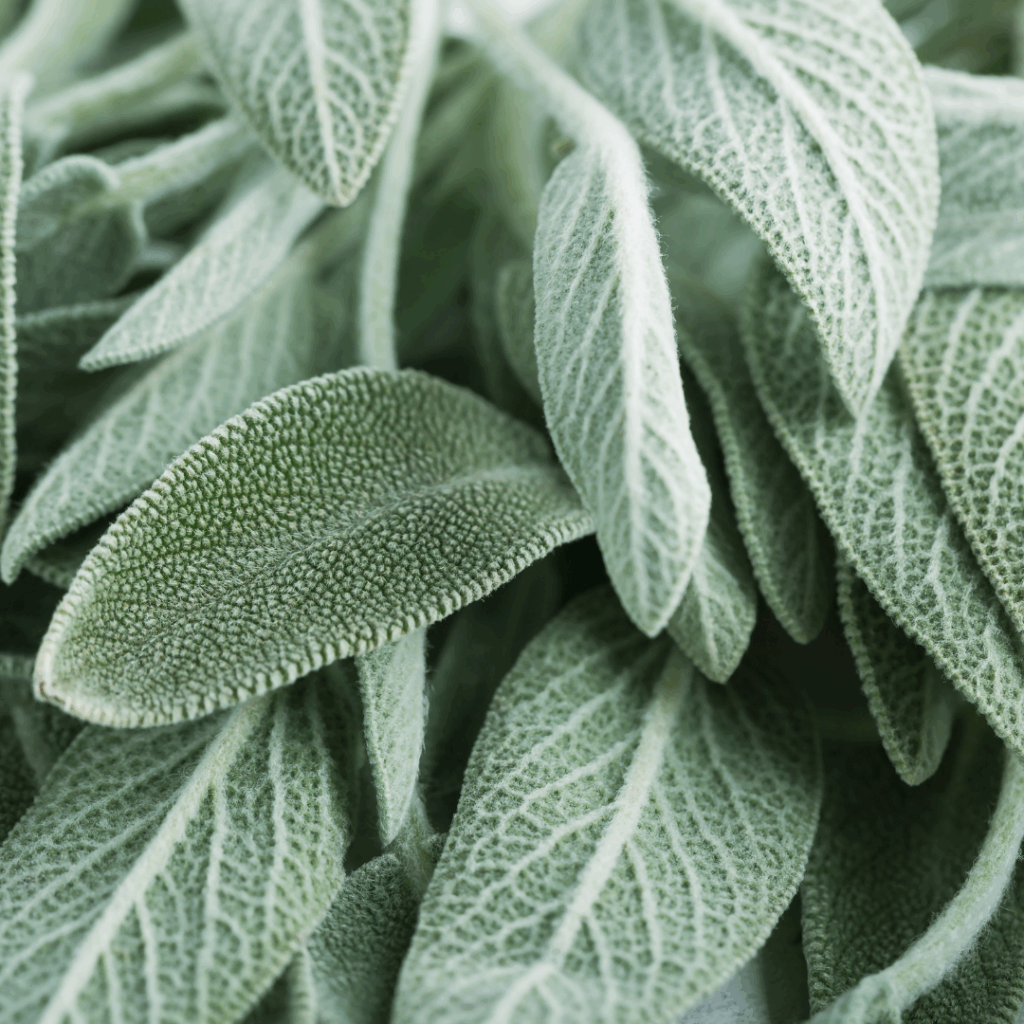
Sage (Salvia officinalis) is a perennial herb. It is a member of the mint (Lamiaceae) family, but fortunately doesn’t have that wild, rampant spreading characteristic so many mint family plants do. There are many different varieties of sage. The common or garden sage is for kitchen use, but there are many varieties of sage that are used more for their foliage in the ornamental garden than the kitchen.
But even common sage has a great visual appeal in the garden, with its pebbly textured leaves and upright woody shrub habit that grows to 2 feet tall and wide. As an added bonus, sage’s blue flowers are a favorite of hummingbirds. If your kitchen sage hasn’t been nipped by frost yet, you can even take some cuttings and put in water to root, and you will have fresh sage available all winter and new plants to share next spring.
Like most herbs, sage is a full-sun plant that prefers well-drained soil (what doesn’t?). But unlike most other plants, herbs, including sage, are one group of plants that actually do better on lean, not overly fertilized soils. Most herbs are native to areas with lean, rocky soils. Sage is native to the Northern Mediterranean area.
Historically, sage was considered the herb of immortality, health and wisdom. The word “sage” is used to describe a person with great knowledge and wisdom. Sage has been grown and used as an herbal remedy for centuries. In Rome, sage was used for sacred ceremonies. Today, herbalists use burning sage (sage smoke) to cleanse body and spirit and negative energies. Many cultures used sage as a cure all. And they were more correct than they realized. Sage is a nutrient powerhouse.
One tablespoon of sage has 43 percent of the daily recommended serving of Vitamin K and also is an excellent source of fiber, Vitamin A, folate, calcium, iron magnesium and manganese. Sage even exceeds the daily requirements of the B vitamins and has high values of Vitamins C and E, thiamin and copper.
So why don’t we see sage used beyond making stuffing and sausage? It is a very unique flavor and quite pungent. A little goes a long way, but the earthy, rich flavor of sage as depth of flavor to many savory dishes. Try adding sage to soups, stews, potatoes, biscuits and cornbread. The sage elevates these simple recipes. One of the best simple sauces for chicken is sage browned butter.
If you have fresh sage, whether home grown or purchased, there are two options for storage/preservation: For fresh use for short-term storage, gently wrap sage in a damp paper towel and place in a Ziploc for up to a week. For longer storage, sage can be frozen or air dried.
So, take this “sage” advice and include it in recipes all thorough the year, not just at Thanksgiving.
Apple-Sage Wild Rice Stuffing
Ingredients:
4 ounces chopped pecans
4 teaspoons canola oil (divided)
1 1/2 cups diced celery
1 1/2 cups diced onions
1 medium red apple, such as Jonathan or Gala (halved, cored, and diced, about 1 1/2 cup total)
2 cups hot cooked brown rice
1 cup hot cooked wild rice
1/2 cup dried cranberries
1 medium jalapeno pepper (seeded (if desired) and finely chopped OR 1/4 tsp dried pepper flakes)
1 1/2 tablespoons chopped fresh sage (or 1 1/2 tsp dried rubbed sage)
3/4 teaspoon salt
Directions:
- Heat a large skillet over medium-high heat. Add the pecans and cook 2-3 minutes or until beginning to brown, stirring frequently. Set aside on separate plate.
- Heat 1 teaspoon of the oil over medium heat. Cook the celery and onion 8 minutes or until beginning to lightly brown on edge, stirring occasionally.
- Add the apples and cook 4 minutes or until tender crisp.
- Stir in the pecans and the remaining ingredients and cook 3-4 minutes or until the rice mixture is heated, stirring occasionally.
- Chef’s Notes: Use any of your favorite nuts in place of pecans. Or leave them out if someone is allergic.