Giving Thanks for Annual Dinosaur Dissection Day!
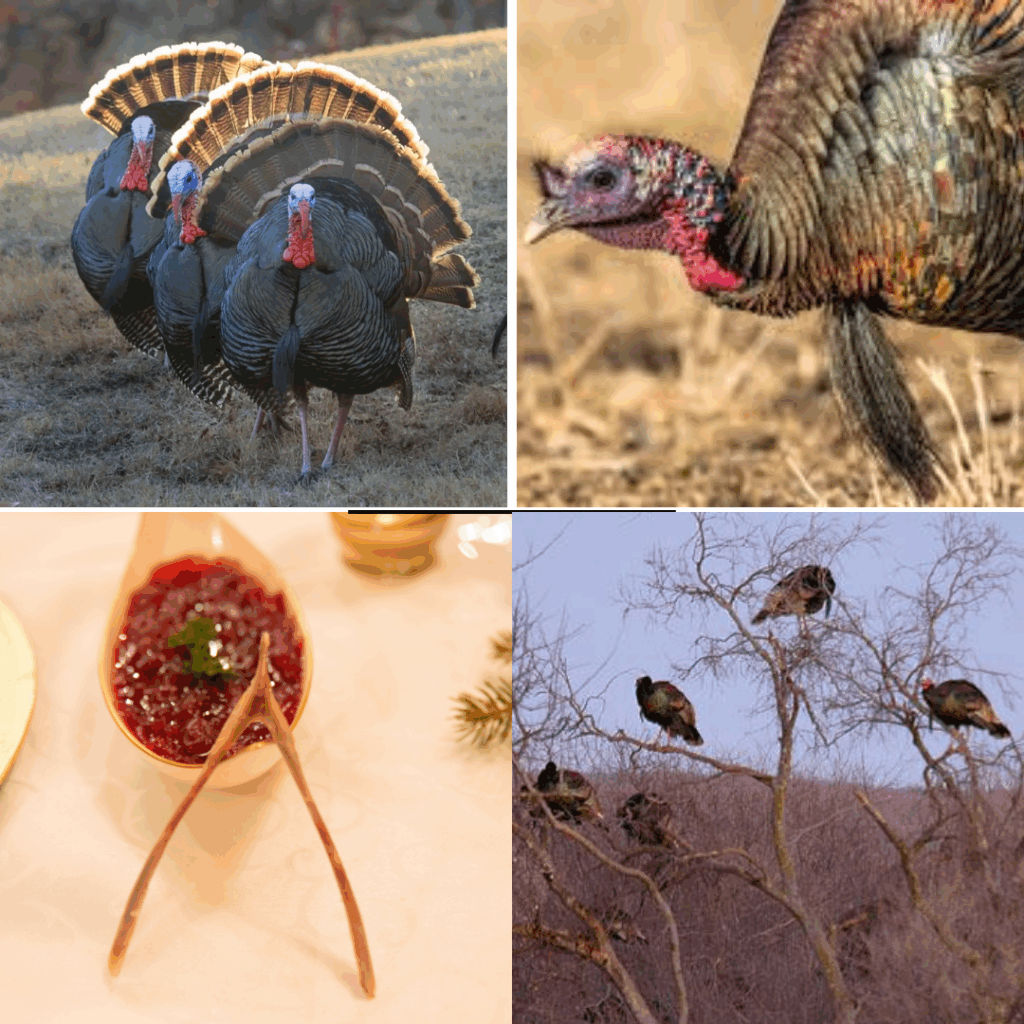
So, what is your favorite part of Thanksgiving? Many people say it is their favorite holiday. All the food, but no pressure about gifts.
I am personally all about the gratitude. And the sides. There is a meme out there of a large woman in in tiny kayak sliding down a mountain of gravy covered mashed potatoes — that could (and still might) be me.
But besides all those delicious sides (I am a full-on stuffing fan — or do you say dressing?) but without a doubt, Norman Rockwell’s iconic Thanksgiving painting, “Freedom from Want,” shows who the real star is: that beautiful, well-basted Thanksgiving bird — the turkey.
But what do we really know about this delicious poultry? And I am not talking about the things we call the Butterball Turkey Hotline about. By the way, not that you need it but just in case: Butterball Hotline is 1 (800) 288-8372. And here is a fun fact: Did you know the Butterball Turkey Hotline is located right here in Naperville, Illinois? It is.
I do enjoy all those media stories about them interviewing the hotline responders about the wildest or simplest questions they have every received. It kind of reminds me of my job. I could write a book, well at this point, maybe a series of books on all the interesting gardening and nature facts I have been asked over the years.
But the interesting facts I lean toward are of course, more nature related than culinary. Let’s start with the biology of turkeys, or should I say, dinosaurs.
Even though people think science doesn’t change that much, especially in the natural world, we are always discovering new facts that provide new insights.
It wasn’t until the 1970s, yes, when most of us reading this were already alive, that scientists found new information and insights to determine that birds are actually dinosaur descendants. Now if you have ever seen a newly hatched chick of any species, you can easily see the similarity.
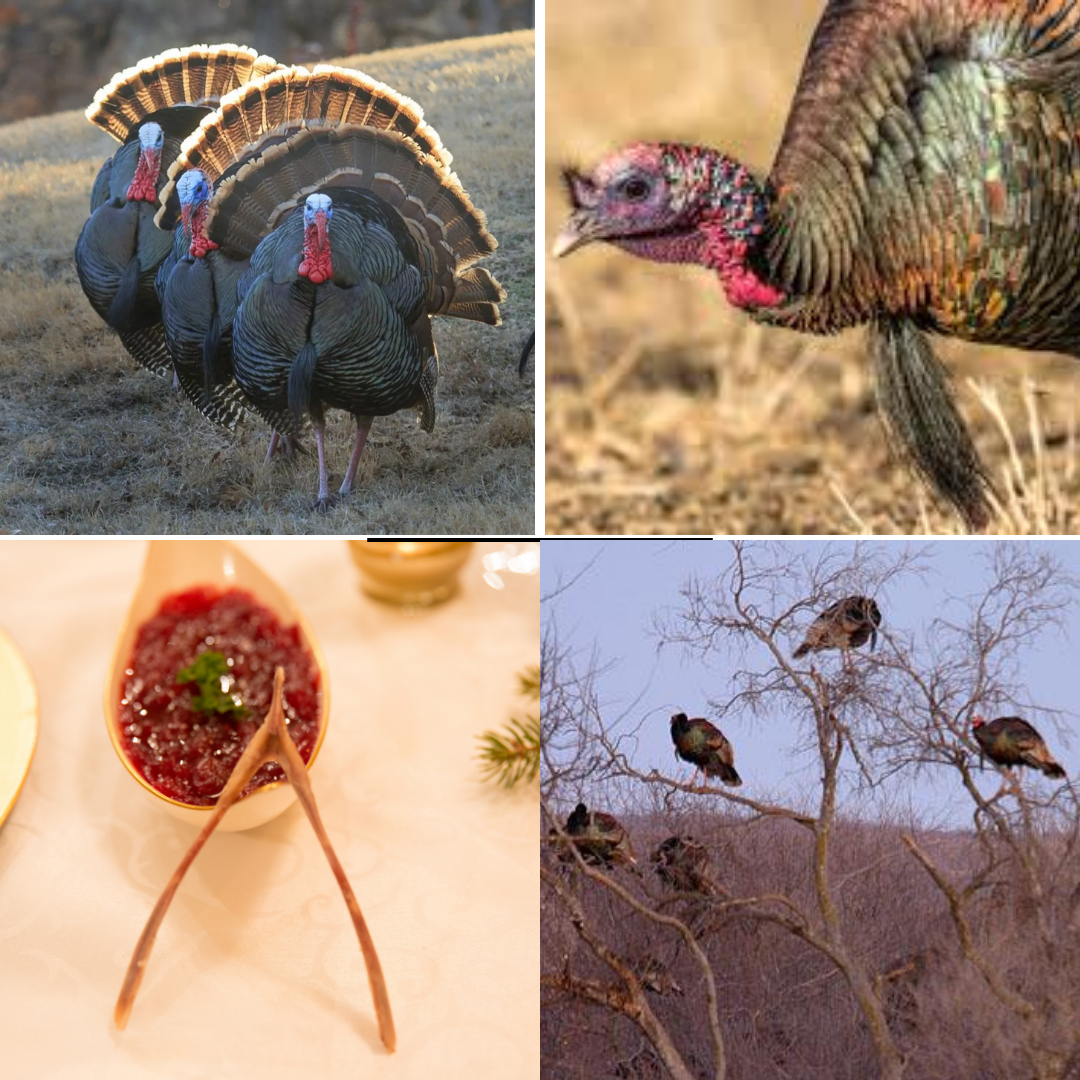
But it actually is about the furcula. You know we play that furcula game every Thanksgiving, or do you call it a wishbone? The wishbone is a fused version of our two clavicles, or as we often call them, collarbones. These fused collarbones are found both in birds and certain terrestrial (ground dwelling) dinosaurs.
In birds, the wishbone acts as a spring-loaded energy source for the wings. The wishbone stores and releases energy to make flight more efficient.
And what about that whole “breaking the wishbone game” as a good luck harbinger? That goes in the way back machine to 800 B.C. when the Etruscans, an ancient Italian civilization, believed chickens were magical beings that could foretell the future.
They believed that drying the bones of poultry animals and waving your hands over them could sway Lady Luck your way.
But later, the Romans got all hands-on with this witchy tradition of a feathered one foretelling the future, and created a contest where two individuals would make a wish and pull on the bone, where the winner with the larger portion, would have their wish fulfilled. Now my wish is always for elastic waisted pants, but I digress.
Back to turkey fun facts: although this one might be a little less tasteful that the above. What about their scat? (delicate name for their poop). Not that you would ever need this one, unless you are a hunter, but it is fascinating that male and female turkeys’ poop different shapes.
The male scat makes a J shape and the female makes a spiral. The anatomy of the male bird makes for the specific shape. The scat can also somewhat tell the age of the bird. Who knew?
Turkeys have other interesting anatomical features, take the snood and wattle. The snood is the fleshy reddish appendage that is around the beak and neck of a turkey. And the wattle is the fleshy part that hangs from under its chin. Both of these structures remind me of the old fashion style, when women would bunch up large scarves around their necks.
But the snood and wattle are much more than just a covering. It is a communication device. For males, the snood enlarges and turns bright red when a tom turkey is trying to attract a hen. Interestingly, snoods also convey information about good health. Longer snoods indicate the tom has less intestinal parasites, so female turkeys prefer males with a long snood. What girl wouldn’t want less parasites?
Another interesting feature is the turkey beard. This can often get confused with the snood, but is a totally different structure. The beard on wild turkeys is a group or tuft of coarse feathers on the chest of male turkeys, but can also be found on approximately 10 percent of females, even though the female’s beard would be thinner and shorter.
There is one wild turkey fact I do get questioned about every year when an unsuspecting homeowner calls to report several “giant birds” in a tree. Yep. Wild turkeys. Contrary to popular opinion, as well as what appears to be an unbelievable aeronautical achievement, wild turkeys can fly. And they do so to fly up into trees to avoid predation.
And again, looking at them you might not think, but turkeys are fast movers. They can run up to 25 mph, and in short distances can fly up to 55 mph.
And just how did turkeys get their name? It was from the country. Turkey. Although it is a total misnomer. The turkey is a true North American bird. And their lineage is a long one. Turkeys are originally from North and Central America, specifically the wild turkey species native to eastern and southwestern North America and central Mexico.
The domestic turkey was domesticated starting in 800 B.C. from these wild birds by Indigenous peoples in what is now Mexico and the southwestern United States centuries ago.
Farm-raised turkeys consumed on Thanksgiving are estimated to be up to 46 million. So, after enjoying that delicious bird at your holiday meal take a walk in some natural area to see if you can find any of their wild relatives.