Mid-fall gardening tasks: too late for some, too early for others?
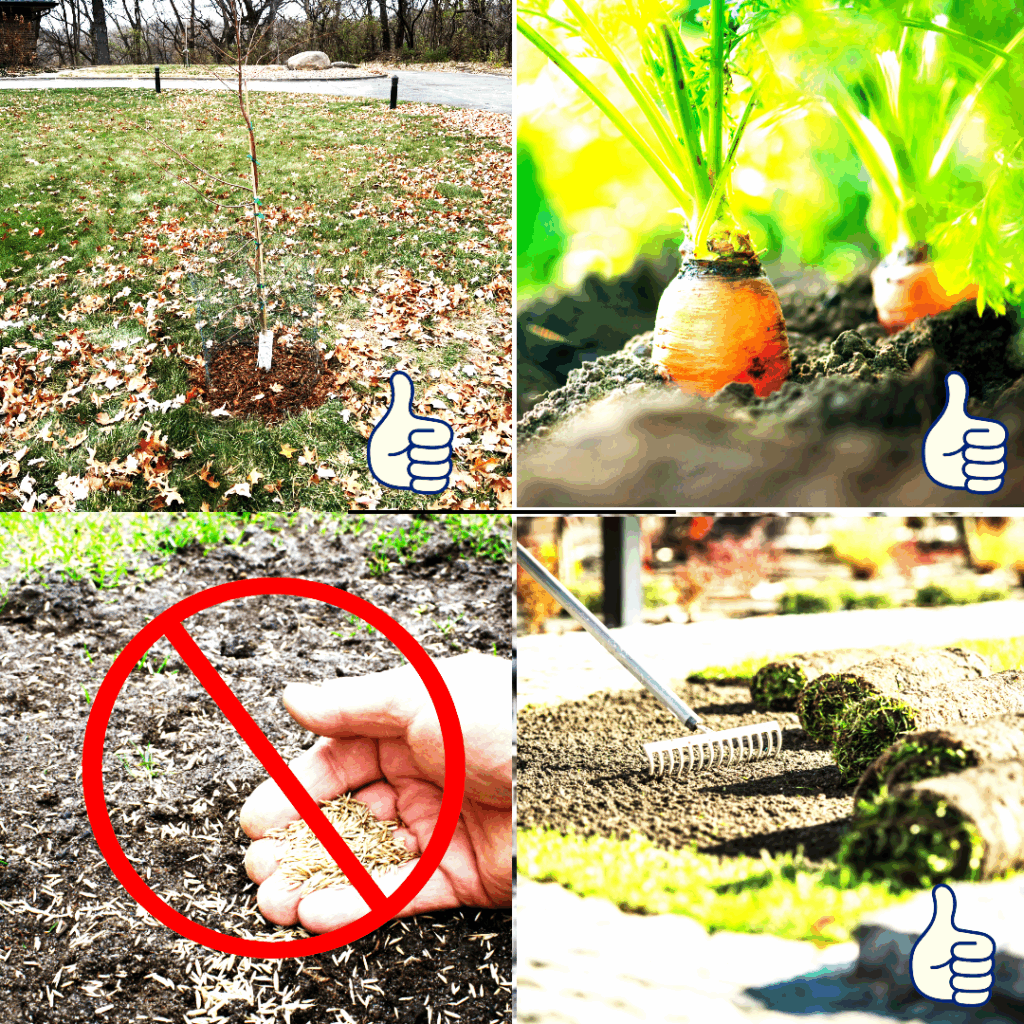
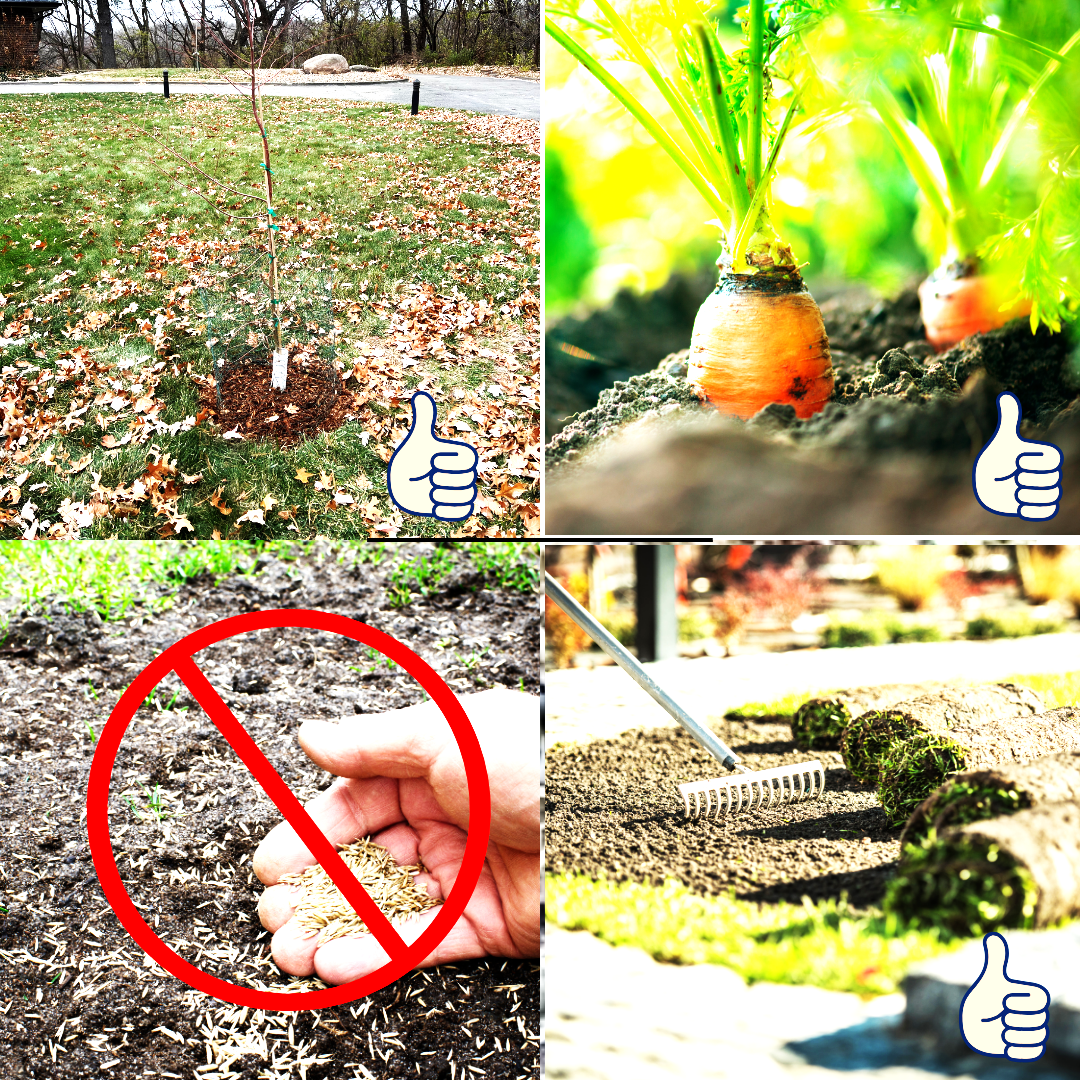
At one of our many school garden projects, the kids and my volunteers spent the final week harvesting the last of the amazing carrot patch. These carrots rival anything I have seen at a store or county fair.
And as kids will do, they asked if we should plant more carrot seeds now, this last week of October, and of course, I said … yes!
What? Plant carrots, now? Why not? Carrots are a cool-season crop like all of the lettuces, spinach and radishes are. They can survive some light frosts, and using a season extender like floating row cover or a mini hoop (found online or at many big box stores) will keep them growing even through a mild winter. Many gardeners report that they have kale that has made it through several winters.
Isn’t it well, winter soon, yes, but let’s look at the recent past winters; I would have to argue that we didn’t have much of a winter for the last three.
So, if we have another mild or non-existent winter, even with the daylight hours winnowing away until solstice, some cool-season crops can be grown, especially if they have some protection. But why bother? Well, it is that magical science, that is why.
Have you ever had a really sweet carrot? Or buttercrunch lettuce that is just perfect? Then other times the carrots are starchier and blander, or the lettuces are blah or worse, bitter?
Thank chemistry. When these crops are grown in cool seasons, the starches convert to sugars. As the temperatures inch up, they convert to starches. Have you ever accidentally refrigerated a raw potato? I did, and it turns to be the most unpleasant sugary sweet flavor.
For fall planted carrots, the smaller varieties are more likely to come to fruition. I like planting varieties like Little Finger or Thumbelina, a Parisian round carrot.
So, what else can you still do, that you might think it is too late in the year for? Planting trees and shrubs as well as sodding. The time has passed, though, to seed your lawn.
Many people think our perennial plants are in full hibernation mode once the leaves have been hit by frost or they just start to shed like my cat come summer. Not true. There is a really old saying (way back in the 13th century) by the Persian poet and mystic, Rumi, which says, “Don’t think the garden loses its ecstasy in winter. It is quiet, but the roots are down there riotous.”
And they are. Tops of plants are motivated by the changing temperatures and amount of light both to grow and start to bud out in the spring, as well as to go dormant, shed their leaves, retract their plant “juices” (sap), and prepare for a potential dark, cold period.
But those roots … they are partying! The root systems continue to flourish, take in nutrients, and grow until the ground freezes solid. Many years for us in Northern Illinois, which can be as late as February, or in the year we had no winter: 1982, when it was 64 degrees on Christmas Day, the ground didn’t freeze at all.
Even better, with the bossy, hungry tops (leaves) of the plants gone, the roots can concentrate on building themselves up. During the growing season, the roots are at the mercy of the growing upper parts of the plants, supplying them nutrients and water all while the leaves are transpiring (breathing out water) especially in hot weather.
That is why sodding, and planting dormant, whether they be bare root or potted plants, is perfect for November. But there is a big but. I am sure you will take good care of the new plants as you plant them.
But … you have to remember aftercare, particularly if we have yet another winter drought like the last two winters. Sod, in particular, with the short root systems, needs to knit into the soil below before dormancy.
If you don’t water sod regularly, even if it is cold out, it will start to pull away and shrink up like that favorite wool sweater you accidentally put in the dryer, and it is now fit for a Barbie doll instead of you.
Sod shrinks when not kept wet and it also won’t adhere to the soil below, causing you to buy more sod next spring. Or if it is half knitted in, you will find yourself with neat lines and rows of all sorts of weeds that came up in the bare dirt areas exposed by the retracted sod.
The University of Illinois Extension recommendation for newly laid sod in late fall in Illinois is to water daily for the first two weeks, ensuring the sod and top inch of soil stay moist, but not waterlogged.
Continue watering as needed, based on weather conditions until the ground freezes, at which point watering is no longer necessary. Avoid watering in the late evening to prevent disease.
I also get a lot of questions about fertilizing, both on landscape plants and turf. Fertilizer isn’t a medicine or vaccination to protect plants, it is a stimulus to grow. For newly planted anything, fertilizing is not recommended.
The goal for us as gardeners with new plantings follows that old adage: “First year it sleeps, second year it creeps, third year it leaps.” New plants first need to establish a foundation. Fertilizing can burn off or cause an inhospitable environment for those new tender roots.
The only time fertilizing is acceptable with new plants (spring/summer planting only) is using a one-time-only starter fertilizer (also called root stimulator).
For established lawns though, a late season, past dormancy, fertilization with a winter fertilizer (also called winterizer) is great. That is the only fertilizer I do every year. It isn’t high in nitrogen, which is for the blade of the grass but concentrate on phosphorus and potassium for the roots. I always say it is like giving the established lawn a sack lunch for spring!
Fertilizing established dormant fruit trees is also a good November task. Using a balanced, slow-release fertilizer such as a 10-10-10 or 12-12-12 with application at the drip line.
And remember, I am always here for any questions year-round! [email protected] or 815 727 9296.