Early fall gardening tasks … and leave the leaves!
Just like the old adage that says a woman’s work is never done, so is the case for the farmer, and gardener.
Tending the soil that grows our food, fiber and fuel isn’t regulated by the seasons or the thermostat. There is always something to do. Now is the time for gardeners to address a few fall gardening tasks that will make your spring gardening easier.
Throughout the year, I get many questions on when the appropriate time is to move, divide and/or plant everything from trees to tulips to tomatoes. For many of the perennial plants, the answer could be … anytime. Like when people ask me is it OK to dig out flowers when they are moving. The answer is yes (unless you put in your contract that you will leave landscaping as it is.)
I always tell people, don’t hesitate to take some of the plants you love, because the new owner of your former home and garden, might think your beautiful, long toiled-over gardens, are too much, and when you drive by the next time, you see all those gardens, covered in asphalt.
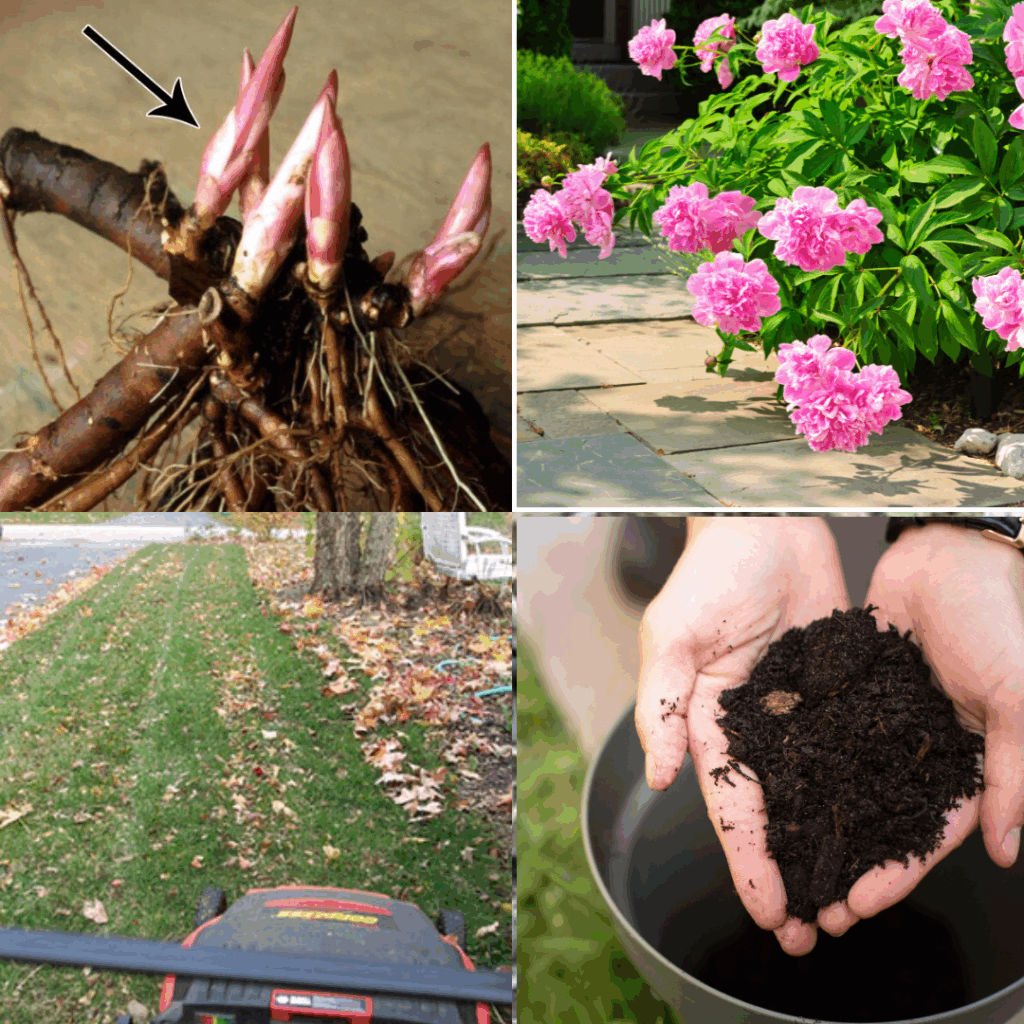
But there are ideal times to divide and transplant several of our plants. And for our easiest sun perennial, the peony, now through mid-October is the time. Peonies are an old-fashioned, loyal and hardy perennial for sun. Don’t try to plant them in shade or leave them where new shade from a growing tree or new structure will shade them. No sun, few flowers.
But in full sun, peonies are the easiest of perennials, not having to be divide for decades, they just continue to get fuller, bigger and more floriferous. But why not make more of this great plant? That is the economy of perennials. Not only do they grace our gardens for many years, but they also multiply.
But in transplanting peonies, gardeners often make two mistakes: Because they bloom in the spring and have a thick root, many people plant them much too deep. Peonies bases are actually thickened fleshy underground stems where they store their nutrients.
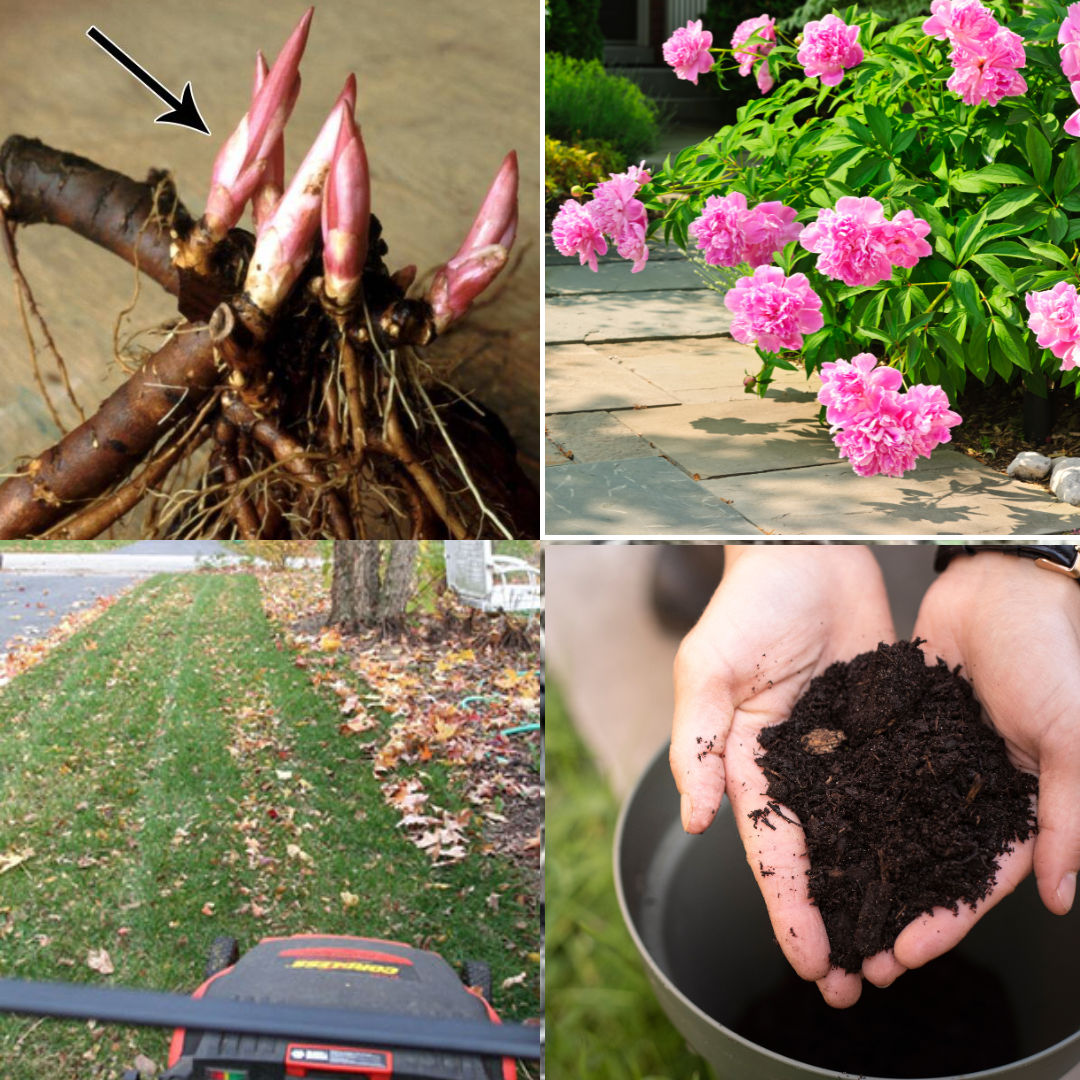
You will also notice, any time of the year if you look closely at the base of your peonies, red pointed structures which are called “eyes.” These eyes are the small pinkish, reddish or whitish buds atop the fleshy stems that will develop into new stems, leaves and flowers.
Peonies need to be planted shallowly, so the eyes are no more than 1 to 2 inches below the soil. I actually put them at soil level given our heavy clay Will County soils. When dividing peonies, make sure you keep three of these eyes per division. And be sure to plant them in full sun.
Overall, the four keys to successful transplanting anything are: sharp tools (I prefer an old sharp kitchen knife or garden knife). Remember, a clean cut on us or a plant, heals faster. Second, right site (sun, shade, wet, dry, etc.); Third, right depth (never plant something deeper than it was previously planted, not even by an inch or two; and finally, continued aftercare (that means watering/rain until the ground freezes solid).
Early fall is a great time to divide/transplant perennials, except for the ones that are currently blooming. The old rule of thumb was if it blooms in the spring, divide/transplant in the fall; if it blooms in the fall, divide/transplant in the spring. The only plants in that category are sedum, asters and mums.
And I can’t emphasize enough how important that aftercare is. Countless times people say that “winter killed” their plants. That isn’t usually true. Drought, including fall and winter drought, often contributes to perennials becoming annuals. Sure, we remember to water at the time of dividing, but often forget that this transplant is spending energy and needing moisture while it establishes in its new site.
If we don’t get much/any precipitation, whether it be rain, snow, hail or ice, we have to continue to water: an inch of water per week when plants are actively growing. Once the top frosts up, you can water about half as much, but don’t forget.
The other early fall task that is often disregarded is what to do with all those leaves and finished garden annuals and clippings. First let me address that fairly new initiative of “leave the leaves.”
This program is focused on not getting rid of all the material our wildlife uses to make it through the dark and cold season. I agree that leaving some is OK, but if you leave your leaves on your lawn over the winter, you will be replacing some of that lawn in the spring.
Leaves, particularly the thicker ones like magnolia and oak, don’t break down readily and mat together and will smother turfgrass. Similarly, in the vegetable garden, if you leave your leaves of your vegetable plants in place, you are providing a great overwintering site for some of our most difficult garden pests, like the cucumber beetle.
They overwinter as adults under leaves. So best to clear and prepare the vegetable garden, in the fall so it is ready for early planting whether we have a dry or wet spring.
You can leave clumps of leaves and garden refuse in other areas, like around perennials and shrubs. These are invaluable habitats for so many of our overwintering insects.
I am always a little wistful and sad when I see dozens of landscape waste bags, lined up like soldiers on every street waiting with the garbage collection. I envision so many cocoons and pupae and other overwintering insects in them.
But still, this landscape waste does get turned into mulch by municipalities, many of whom allow residents to come get the finished product. But why let this gardener’s gold leave home at all?
I advocate mowing your leaves (making them quick to break down) and if you don’t want to bother with a formal compost container, just make a pile in an out of the way corner. Even if you are not actively turning this pile, by spring at least half will be the greatest of all garden amendments, organic material.
Getting a jump on these tasks in the fall sets you up with more time in spring for earlier planting.