Are chrysanthemums ‘mum’ for pollinators?
As sure as the big box stores started putting out Halloween décor on July 5, it wasn’t long after that those colorful hardy mums started popping up at every store in August.
The usual question I get concerning mums is, why are they called hardy (or perennial), when they often don’t make it to a second season? But I had a new question of my own about mums this year.
While writing yet another post about how gardeners who say they support pollinators but clean up the “mess” of not-so-prime flowers and replacing them with mums, I started to really look at mums — structurally.
Do they support pollinators? And is the flower swap out that big of a deal? Well, yes, it turns out, it is.
Don’t get me wrong, mums are synonymous with fall here in the Midwest. These big roundy, moundy cool-tolerant flowers brighten up the waning summer landscape. But should they wholly replace the fading annuals of summer? If you are pro-pollinator, the answer is no.
Remember my previous discussions about our pollinators and the vital role they play in well … everything? But those pollinators as their name suggests, are looking for pollen. Well, actually, for many pollinators, they really should be called nectar-ors, but that is too hard to say. Many pollinators do pollination by accident.
Those beautiful butterflies (which by the way 2025 has been a banner year for seeing butterflies), hummingbirds, moths, and many of those insects, aren’t after the pollen at all, but the sweet nectar that lies deep inside the flowers.
Mother Nature (and evolution) sure knew what they were doing with the structural design of flowers. The petals of flowers may just look pretty to us, but to insects and hummingbirds, they see something we can’t. They can see in the ultraviolet range. Actually, the flowers’ ultraviolet light helps the pollinators make a bee-line (pun intended) landing strip to attract the pollinators into the flower.
Nectaries, little sweet syrup making structures, lie deep in the flower. As the pollinator extends its long tongue (be it the proboscis of a butterfly or moth, or the long tongues of bees, hummingbirds, and bats), their bodies get covered in pollen. As they move flower to flower, they are the most successful dating service — for plants and seeds.
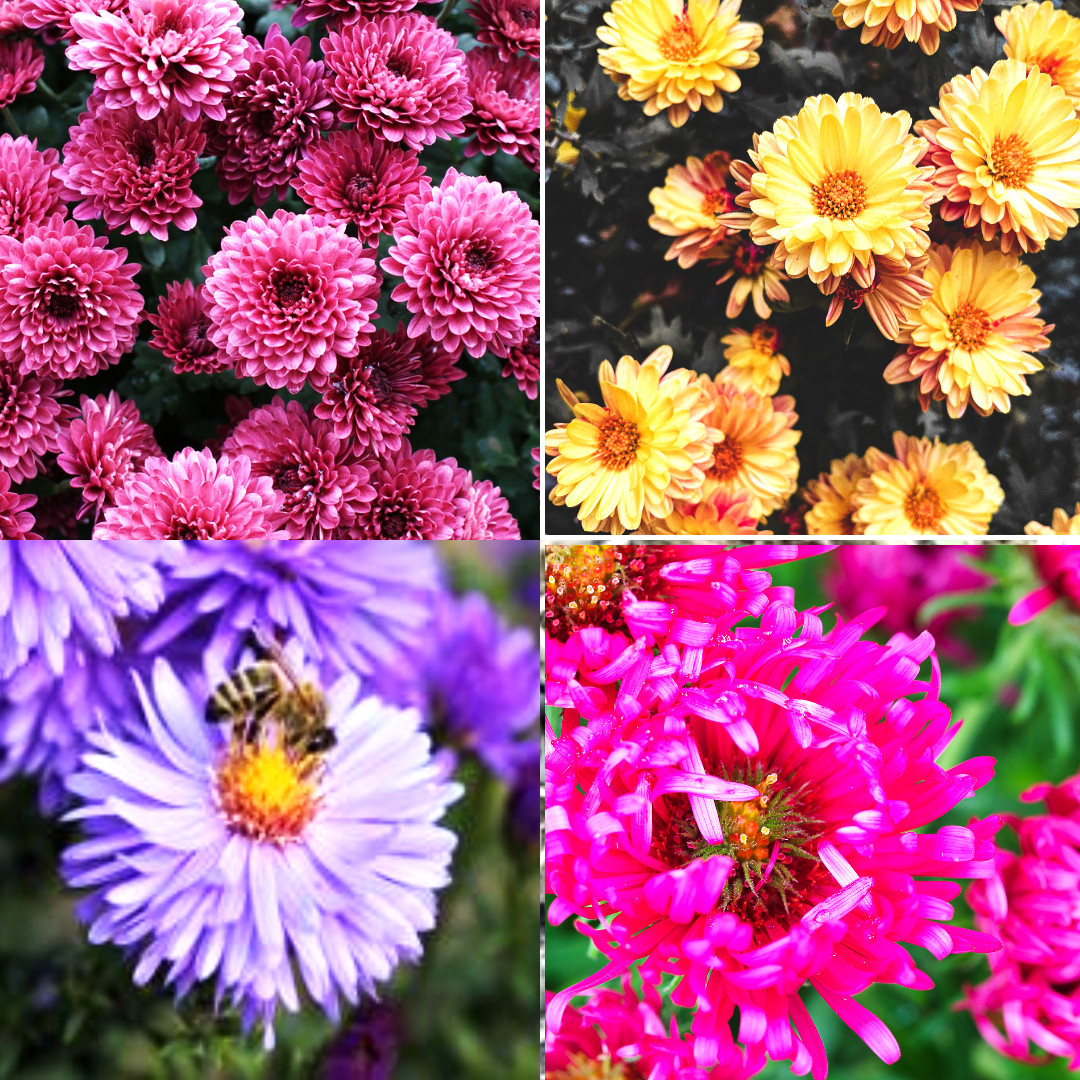
But back to my initial question — what do mums offer? If you look at today’s hybridized chrysanthemums — take a really good look — do you see any floral structures other than the petals? For the greatest percentage of mums, the answer is a definite no.
In my curiosity, as you know I would, I started dissecting some mum flowers, and it was really difficult to even find the floral parts that would be of interest to any pollinator. Nature is very efficient. Insects aren’t going to waste their time looking for floral parts they can’t see.
But do you remember the heirloom mums? The kind your grandma bought at the one of the many local nurseries, now long gone. These simple mums look more like a daisy. That daisy shape is a pollinator’s dream, particularly when it comes the 747 airliner insects — the butterflies and moths.
These large-winged insects need a good runway on which to land, and that daisy shape is a perfect match, the ideal diner. A place to sit and have a meal. Those mums are pollinator friendly. But again, where do you see them?
I took an informal survey last week at as many stores selling mums as I could find, and out of all the stores, 12 in total, only two had daisy mums.
As I always say though, no judgment, it is your personal Eden. Do you as you like. But maybe after reading today’s column, it will give you some food for thought, or should I say, pollen/non-pollen for thought next year when you start thinking about purchasing mums. Mums combined with other fall bloomers are still a great option for late-season interest.
There are some other great alternatives that are more pollen friendly. Along with the mums, the other main fall flower is the aster. These daisy-shaped flowers both native and cultivated offer excellent opportunities for those late-summer pollinators.
The drawback to the New England Aster, along with the other native asters, is sometimes they are considered weed-like (as many native plants are considered). That is, until you learn what to do.
Knowledge is power. And yes, native asters have two challenges: the floral period seems to last a few days in hot dry falls. So, one morning, you see those beautiful periwinkle-colored blossoms with bright yellow eyes, and if it is 90 degrees; within a couple days you see only dried-up brown.
Additionally, the dried and brown seedheads spill seed everywhere, and asters are “assertive spreaders.” I have them come up in my driveway. The solution, water them as they come into bloom, and as soon as the flowers finish, cut the green immature seedheads off.
There are also several asters in the nursery trade, like the glorious Alma Potschke, that are improved varieties that have longer lasting more drought tolerant blooms that don’t self sow.
And finally, the answer to the other mum question I am asked, why don’t these hardy mums come back every year? Three reasons: poor planting technique, lack of aftercare and the imbalance of the root/shoot.
When you buy mums, be sure to loosen the roots before planting. Remember, although plants roots continue to grow after the top goes dormant, fall-planted mums, with their giant tops and small root balls (root/shoot imbalance), need extra care to get established. Loosen that root ball so as many roots can get pointed out and downward.
Also, aftercare: Many gardeners water the mums the day they are planted, but don’t continue. Remember, fall is usually our driest, least-humid season. Water regularly until dormancy.
And leave the leaves of the mums up even after the flowers are spent. You can just give a “mom-haircut” to shear the flowers off. Those leaves are still taking in energy for the plant until frost.