Zucchini — beyond the bread
The time has come. Yes, it is almost back to school time, not quite Halloween time (although it seems that happened right after July 4th this year), and hopefully not yet Christmastime.
But the time I am referring to is — zucchini over-abundance time.
You may know the old warning that starting in August, it is important to roll up your car windows and lock your doors; no, not because of vandalism. The real reason is your neighbors who garden just might throw a couple (or six) zucchini in your open car. And you may mistake those zucchini for baseball bats if they weren’t picked on time.
I still marvel at the size and weight of seeds, in general, versus the poundage of produce harvested. Think about a tomato seed — one tomato seed. You could fit a dozen on one eyelash. A tomato seed weighs less than 0.003 of one gram. I know you are all great at math, but for that one reader who might have slept through it, 0.003 gram equals 0.000006 of one pound.
And just think how many tomatoes you get from that one seed — over 10 pounds. That means the tomatoes produce from that one seed are 1,511,973.33 times heavier that seed. Remember that the next time someone says gardening isn’t worth it!
Zucchini is a giant seed compared to a tomato seed, but think of the average harvest of a one zucchini plant, particularly if you pick them at the optimum time — usually over 10 pounds. Which, compared to the size of one seed, is a big bang for your buck.
Zucchini for fresh use should be harvested when they are 6 to 8 inches long and no more than 2 inches in diameter. Yes, that is actually the best size for flavor and texture.
But you know what happens, it is like garden magic — just like when picking green beans. I always enjoy the school garden harvesters. I will ask the students if they picked all the beans, and they eagerly say they got every single one. Then I will take them back, and we will get a whole extra basket of beans.
You think you harvested all of the zucchini, and you caught them at the right size, but the next day, you walk the garden and are tripping over one of those baseball bat-sized ones.
In some crops, that would spell disaster and a quick trip to the compost bin with the overripe fruit. But zucchini are a two-fer. As a small-fruited squash, they have extreme versatility. More than you ever can imagine. And as an enormous overgrown fruit, they can be grated up to add moisture and volume to our baking. Who hasn’t had delicious, moist zucchini bread, zucchini muffins and chocolate zucchini bundt cake?
But there is so much more to this versatile vegetable on the savory side. And again, both sizes of zucchini, the “right” size, and the overgrown have a place in the non-sweet recipe box. Here are some great ideas for extra zucchini. I put short links to the recipes, but if you don’t use a computer or prefer a paper copy, just call the office, and we will send them to you (815) 727-9296.
Small, firm zucchini can be sliced into thin, 8-inch thick rounds as a healthy option to make baked zucchini chips instead of tortilla or potato chips. Smaller zucchini have less seeds and moisture, and will make a crisper chip.
Zucchini may seem “meaty,” but do contain quite a bit of water. Some people will salt the slices and let them sit for 10-15 minutes to draw out the liquid which you discard. I don’t’ like salt, so instead, I just press them between two paper towels and use a rolling pin.
Take the zucchini slices and lightly coat them in oil and add any spices you like. Bake in a 425-degree oven for 15 minutes. You can also use an air fryer set at 400 degrees for 10-12 minutes. Some zuke chips will be done sooner than others, so check starting at 10 minutes.
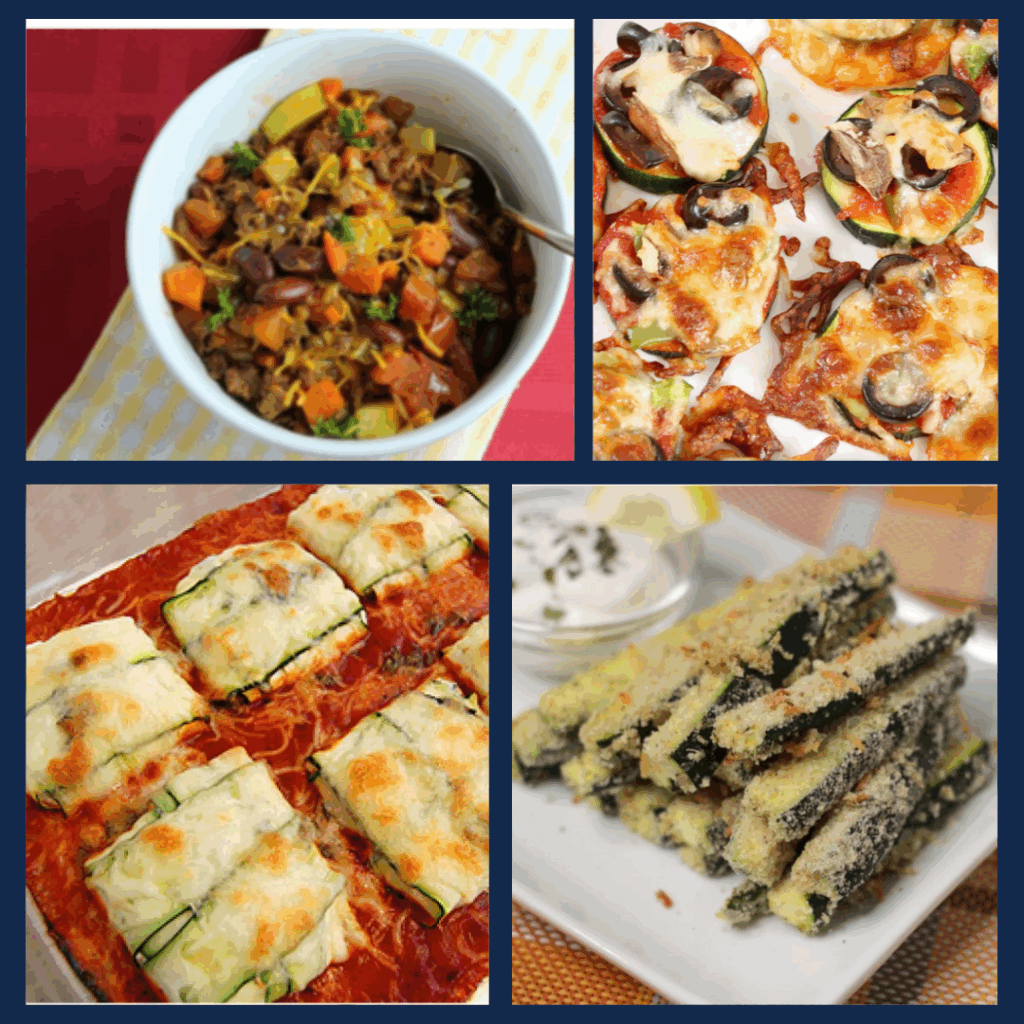
How about replacing pizza crust with zucchini? You can make zucchini pizza bites with small half inch-thick zucchini slices and topping them with some pizza sauce, cheese and your favorite toppings.
Once again, start by preparing the zucchini, cutting them crosswise into half inch-thick rounds. Use salt or paper towel method to pull out moisture. Lightly coat in oil of your choice and broil for 2 minutes on each size. Add the pizza fixins’ and broil for 2 more minutes. Full recipe: http://bit.ly/4oDnMS6.
Want a delicious substitute for fries? Try cutting zucchini into strips, dipping in an egg wash coating in breadcrumbs, parmesan and some Italian or your favorite seasoning, broil 10-12 minutes. Here is the full recipe: http://bit.ly/4opQcPi.
In main meal recipes, zucchini (even the bigger ones) can be used as noodle substitutes. It has been a while, but do you remember zoodles? Or the zoodle maker? This handy handheld device can make spaghetti-sized long strips of several vegetables as a pasta replacement.
Also think about using your vegetable peeler to create long wide strips of zucchini that can be used as mock lasagna noodles. Here is a great recipe from North Dakota State University for a delicious lasagna zucchini noodle-based recipe and other recipes. http://bit.ly/45htpfK.
But wait … there is more. Zucchini can be added to your chili and soup recipes, too. University of Illinois Extension has a great Summer Chili recipe that uses many vegetables to create a healthy, vibrant chili using garden produce. http://bit.ly/4mtmwPn.
You can also use that zucchini as a replacement for cucumbers in pickling. All of the University Extensions throughout the nation have a wide variety of pickled zucchini recipes from sweet and spicy pickles to garlic dills to relish.
Yes, there is a little difference in the texture between zukes and cukes, but “putting up” canned goods is a great way to preserve that fresh overabundance, instead of ripping those vines out early.