Midsummer Day’s Droop … is it the weather, or something else?
In midspring, I spent a whole column dispelling the idea of the “No Mow May” lawn craze sweeping the nation, but I am thinking of starting a new movement: “No Mo’ Rain, No Mow Lawn.’
Lots of questions coming in about different plant issues and whether it is weather-related or something else.
As far as the lawn issues, I was inspired to create the “No Mo’ Rain, No Mow Lawn” by driving by yet another dust bowl spewing out from my neighbor’s lawn mower this week. When you walk on the lawn it feels and sounds like walking in a bowl of dry shredded wheat … crunch, crunch, crunch. Mowing isn’t going to make it any better. Just wait.
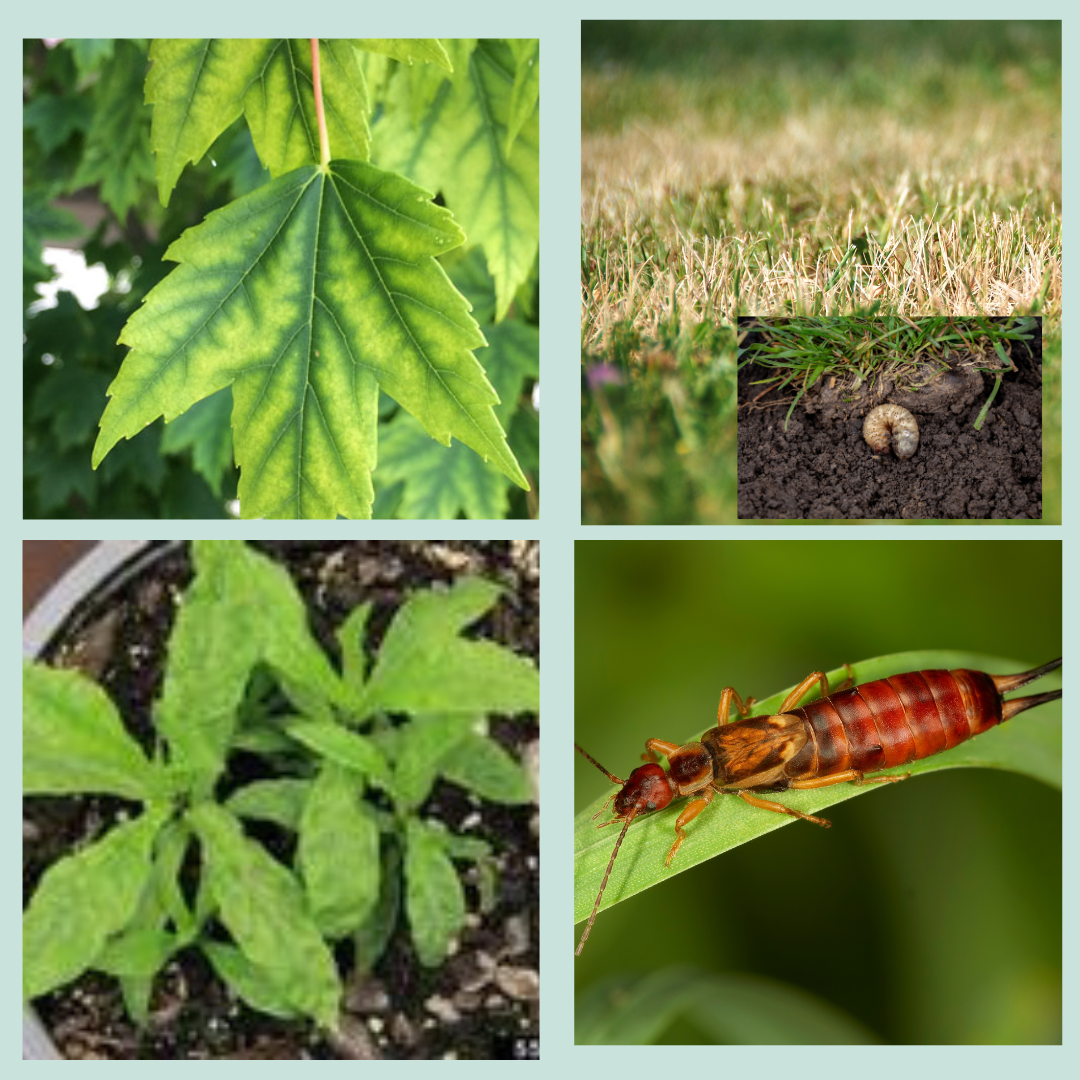
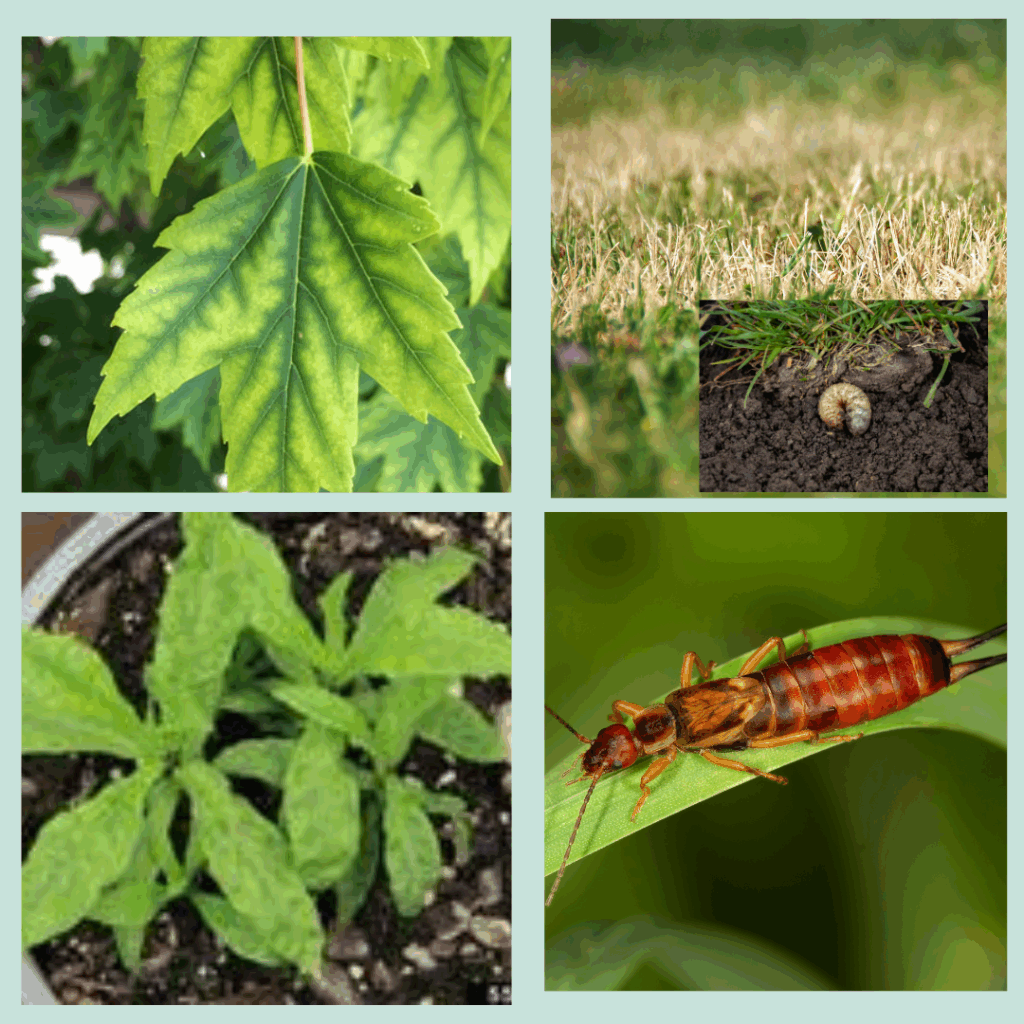
But there is something you might want to do now that the calendar has just turned to July, think turfgrass grubs. Only if you feel a need to treat for turfgrass grubs, now is the time for those controls that are called season long, like GrubEx or Grub B Gon. (The University does not recommend one brand over another … ever).
Grub eggs were laid in the soil in June by four different beetles — Masked White Chafer, Annual White Grub Adult, Japanese Beetles or June Bugs. As eggs, they are pretty impenetrable to chemical control, but they hatch out the last week of August, and these season-long grub controls take about four weeks to become active. Now is the sweet spot for timing of application so the control is at its top strength when they hatch out.
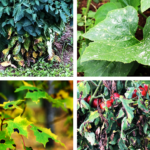
Another question I am getting often are about leaves. Sometimes the issue is yellowing. My follow up question is how is it yellow? Yellow all over? All leaves yellow? Newest leaves yellow? Any other color, like the leaves are yellowing but there are brown or black circular spots? My job is actually asking more questions than immediately giving answers.
Leaves on trees that appear yellowing, but the veins are bright green can be an indication of a nutritional issue. This is called chlorosis. If you google it, I guarantee it will tell you your plants lack iron. But that is why you contact Extension instead for research-based local information. We live where you do, so we know about the local environment.
Yes, many trees and other plants can exhibit signs of chlorosis here in Will County, but as far as a lack of iron in our soils … Uh, no. We have plenty of iron in our soils, but our high pH (alkalinity) in our soils binds up the iron. The solution? Elemental sulfur. Not iron products.
If you use popular iron products, you will experience a quick greening of the leaves, but it is short-lived and will return to the yellow soon after. If you use elemental sulfur (acidifying agent) as a soil application, your plant will have years of green leaves. The sulfur lowers the pH and allows the iron to be accessible to the plant. Chlorosis abated.
Another yellowing I am getting quite a few questions on are summer blooming phlox. These hardy perennials are pollinator magnets and easily naturalize (spread easily) around the garden. I have had several reports of phlox leaves yellowing and curling.
The condition described is often called mottling of leaves where the leaves are observed to be spotty yellow throughout the leaves, with some wrinkling or cupping of foliage. First thing to check for anytime a leaf starts to curl is looking for insects. Piercing sucking insects like aphids, mealybugs, scale can cause leaves to shrivel and yellow as the plant juices are being sucked out of the foliage.
If we were in a heavy rain situation (don’t we wish) and all of the leaves on the plant are slowly yellowing, it could be a lack of nitrogen. Nitrogen is the element that keeps plants green; but unlike the other two main fertilizer ingredients, phosphorus (P) and potassium (K), nitrogen is very water soluble, so heavy rains can yellow the leaves. An added dose of fertilizer will green them right back up. But we are in a drought. Definitely not the cause.
The phlox I have seen have a virus (actually phytoplasma) called aster yellows. Just like with us, viruses weaken us. In general, they don’t kill us, but just make us weak. Same with plants. Aster yellows can affect a wide variety of perennial plants. I commonly see it in phlox and milkweed.
So why do we need to do anything if it doesn’t outright kill the plant? Because the vector (spreader) of aster yellows are piercing sucking insects, and you don’t want weaker plants. Weaker plants, when subject to other weakening conditions — drought, other disease, insect pressure — can die. The best practice with virus or phytoplasma affected plants is to remove (roots and all) the affected plants. Not all the plants, just those affected. Then there are no infected plants for the vectors to feed on.
I am also starting to get calls about disappearing flowers and foliage on a variety of flowering plants and vegetables without any obvious cause. No insects observed. No, it is not bad magic; it’s probably earwigs (or slugs). Earwigs are large, brown insects that have frightening looking “pinchers” at the end of their abdomens. No, not pinchers, cerci. They are used to deter predators and catch prey.
Interestingly, earwigs are usually more prevalent in wet years. While they feed at night, in the day, they are found in dark, wet spots. That habitat can be used as a strategy for eradicating them. You can roll up wet sections of newspaper and place them where earwigs are causing damage. They will crawl into this new cool, damp habitat in the day and then you can dispose of them.
If you want a chemical control, there are several pesticides labelled to control earwigs. But caution should be taken, as applying pesticides to flowers of any kind will negatively impact any pollinator that visit that blossom.