Getting away with murder, the case of Mrs. Rickey
By Sandy Vasko
I have to admit it, I am a fan of murder mysteries, especially those with a twist at the end. Of course, these are figments of a creative writer’s imagination.
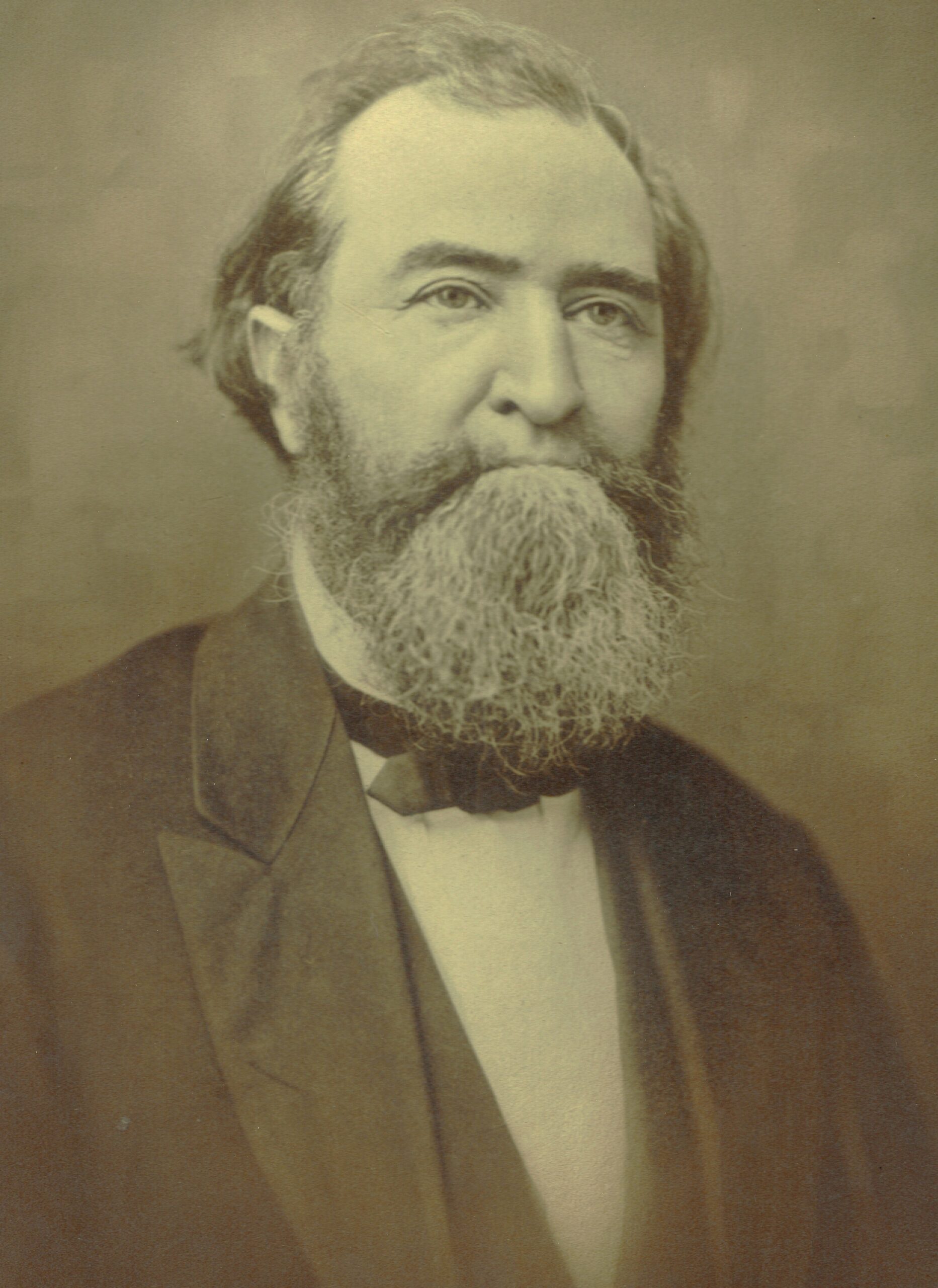
However, I have found a real-life story that happened right here in Will County in Troy Township. The judge involved was Judge Josiah Mc Roberts, known as being “the people’s judge,” always lenient to those unfortunates that came before him.
One wonders how he felt when the surprise ending was revealed to him.
The entire story was documented in the November 26, 1878, Joliet Signal, and I find no reason to change anything.
“As crime becomes more prevalent in the country, public interest in its manifestations increases. The case of the people vs. Mrs. Rickey, lately tried in this county, is at once puzzling and curious. Last fall or summer during the heated period a son of this woman was working for Attaway, in the town of Troy, and being afflicted by the heat started to walk to town on the railroad track and was killed by a train. The frantic grief of the mother over the mangled body was enough to touch the heart of a stoic.
“Two or three weeks passed and the startling news spread that Attaway, the man in whose employ the boy had been, had received a terrible blow at the hands of the mother and was at the point of death. It appears the woman had sent for him to come to her house to get, if possible, some news of her son’s death, and had suddenly dealt him a blow on the head with a baseball bat that felled him like an ox. He lived some time on the brink of the dark gulf and finally recovered, but wrecked in mind and body – changed from a strong man to a miserable invalid.
“At the present term of court Mrs. Rickey was put on trial for assault with intent to murder, an offense punishable by imprisonment in penitentiary fourteen years. Neither herself nor her friends had made any preparations for trial, and she seemed, and remained to the end, totally indifferent to the result. When asked to plead, she remained silent and Judge Mc Roberts entered the plea of not guilty for her.
“Mr. Breckenridge appeared as her counsel and on account of the importance of the case, the court requested J. L. O’Donnell, of the firm of Haley & O’Donnell, to take part in the defense. O’Donnell, subjected the jury to a keen and searching examination, showing that he relied on insanity as the ground of defense.
“It was shown on trial that she dealt the fearful blow, and here Mr. Flanders, the States Attorney, rested his case. The defendant then showed that from the death of her son to the day of the blow the woman was sleepless the greater part of the time, suffering from great grief, neglecting all her ordinary duties and talked of no other subject but the death of her son. Neighbors swore they thought her unsound in mind, and doctors swore such a condition of things was likely to make her so, and all testified that she had borne an excellent reputation.
“Mr. Breckenridge opened the defense in a short but close argument. Mr. O’Donnell then during more than two hours delivered an argument on the law and the facts of the case. His zeal in the case was so great that, although called in at the eleventh hour, he was complete master of the case. His powerful reasoning and sweeping conclusions seemed to obliterate all criminal intent from the case.
“Mr. Flanders closed for the state, but although he summoned all his energies and displayed, as usual, great ability and force, the jury soon returned finding her not guilty of assault with intent to murder, but convicted her of assault to do bodily injury and recommended her to the mercy of the court.
“But the final sequel was yet to come. The judge two or three days after called her into court. He began by congratulating her on her escape from punishment, stating that the jury had done as he would do himself and that he intended to impress no punishment upon her.
“When lo and behold, the lady arose and told the judge that there was another side to her story, and thereupon broke forth upon the death of her son, how she sent for Attaway and struck him and intended to do so, and would do so again and that she did it for revenge. His honor told her that she was fortunate that the jury had not heard her story and thereupon he sentenced her to a fine of $250 and committed her to jail. In a few hours, however, he suspended the sentence and sent her home, and now no one can tell whether it was insanity or vengeance that guided the deadly weapon.”
What do you think?
Sandy Vasko serves on the Board of Directors of the Will County Historical Museum and Research Center and is Collections and Research manager.