Women of Will, life of joy and sorrow
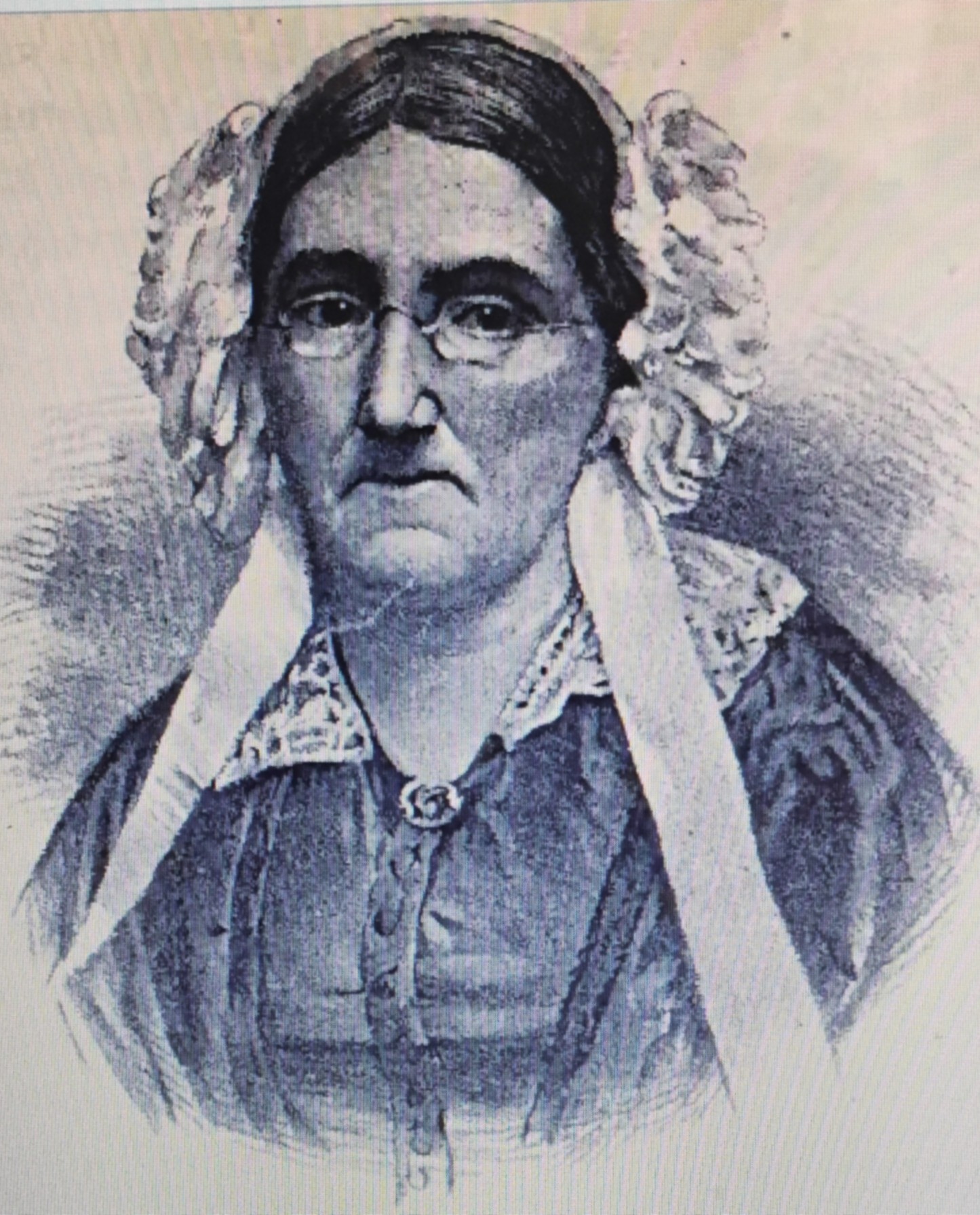
Betsey Parker Holden
By Sandy Vasko
It is Women’s Month. As a woman historian, I have come to realize that what they say about history, “it’s his story, is for the most part, true.
It was men who heroically braved the wilderness, fought ferocious animals and people, built a home out of nothing and lived to have equally heroic, brave and notable children without any help.
Really???
Biology itself tells us that men did not do it alone. Common sense tells us that it just couldn’t be true, women were there all along, unrecognized and unsung.
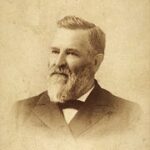
In 1878, local historian George Woodruff published his book, “History of Will County, 1878,” in which he published 56 lithographic portraits of the most influential people of the County. Two of them were women, both from the same family – the Holdens. I set about finding what made these two women so special. First Betsey Parker Holden, wife of Phineas.
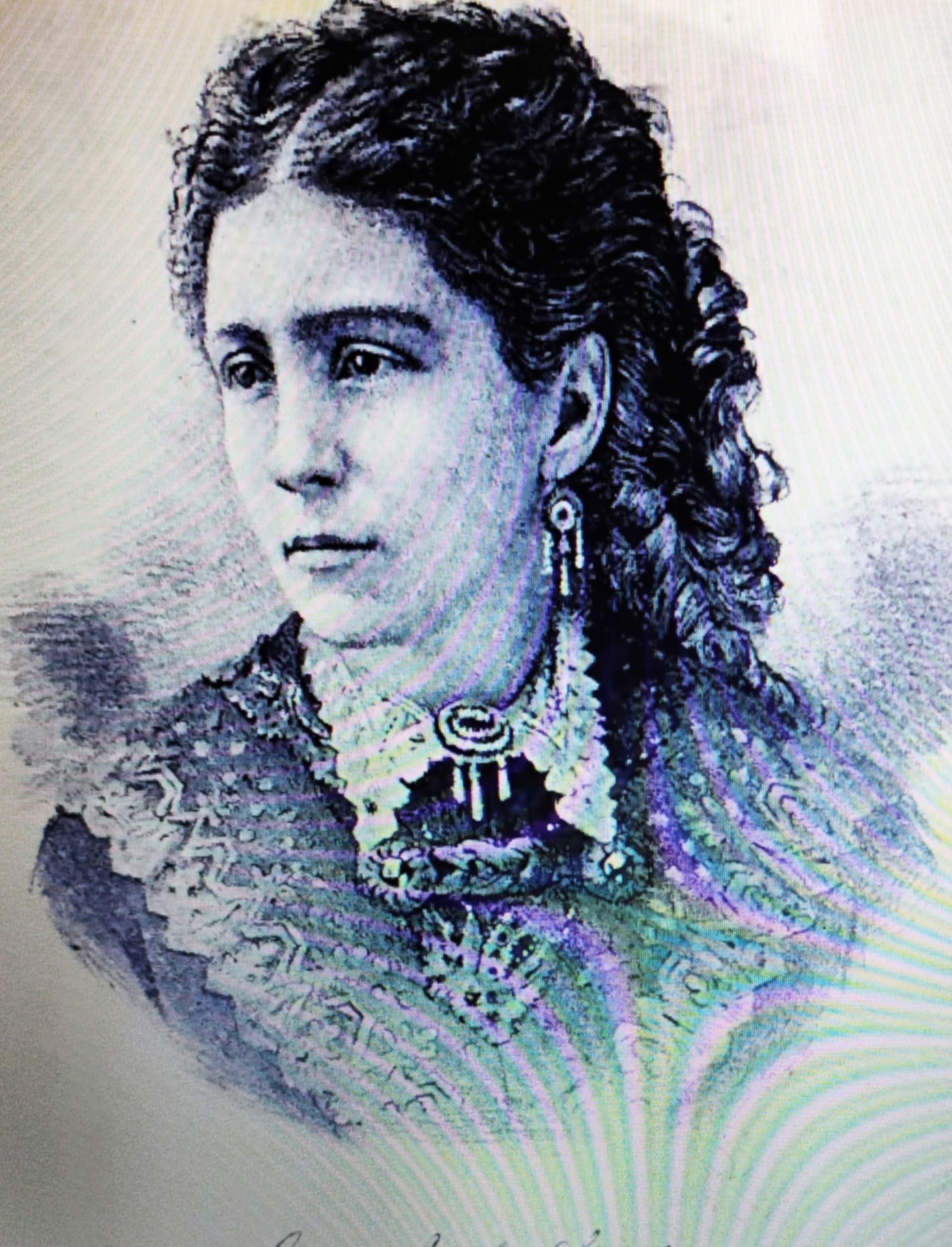
Sarah J. Holden
Josiah and Phineas Holden, brothers, were among the first settlers in the Upper Hickory Creek Settlement, which includes New Lenox, Homer and Frankfort. They family also settled in the Plainfield/Aux Sable area.
On April 17, 1817, Phineas married Betsey Parker in Dunstable, Massachusetts. Betsey’s father was a soldier in the American revolution, assigned to General Washington’s command. After starting and selling farmsteads in Connecticut and New Hampshire, the couple arrived in Chicago in 1836. At first, they settled near Plainfield, but finally purchased 160 acres at the headwaters of Hickory Creek, now Frankfort.
From Woodruff’s biography, “They commenced life in earnest on the prairie, they erected a snug log house, and here they struggled together for many years to raise their large family. When they began their prairie home, the county was entirely new, the nearest neighbor on the south was 30 miles, at Bourbonnais Grove; the nearest post office, fourteen miles, at Joliet.
“Their family now consisted of Elizabeth W., born in 1818; Newton P., born 1820; Mary Emeline, 1822; David L., 1824; Charles C. P., born 1827; Sarah Ann C., born 1829: George M., born 1831; Mira Jane, born 1833, and Levi Parker, born 1835.”
Yes, besides moving four times in 17 years to start a new farm, Betsey had given birth to nine children, a very strong brave woman indeed!
“Mrs. Holden lived to see the country, which was a wilderness when they came to
it, settled up and dotted all over with first-class farms, with villages in every direction, railroads running through all parts of the State, with one through their own farm. April 17, 1867, they had their golden wedding, all their children being present, except Elizabeth; many came from Chicago to congratulate the aged couple on their fiftieth anniversary of their wedding.
“Mrs. Holden was afflicted with a cancer in the face, which first made its appearance in about 1864; it continued to grow and spread, until Sept. 24, 1869, when she yielded up
other life this dreaded disease.”
Next, we read of Sarah J. Holden, wife of Charles C. P. Holden, son of Betsey and Phineas. Charles, as it turns out, was somewhat of an adventurer. He went to the gold fields of California in 1851. He returned to our area in 1854 when he went to work for the Illinois Central land acquisition department. The following year, he married Sarah J. Reynolds of New Lenox. The couple made their home in Chicago where Charles grew to be an influential and well-liked politician.
From Woodruff, “SARAH J. HOLDEN was born April 11, 1836; she was the 2nd child of a family of ten children. Her parents lived on a farm seven miles east of Joliet.
“Mrs. Holden being the eldest daughter of the family, much devolved on her, as is usually the case. When a mere child she exhibited those traits of industry that were so noticeable through her life. At the age of 7 years, pieced, with her own hands, a bedquilt. At the age of 10, while gathering gum from the wild rosin weed, on the prairie, she was bitten by a rattlesnake, and, being some distance from her home, ere she reached it the virus had developed itself throughout her system.
“Everything was done that could be, to allay the poison; physicians were called, and, after weeks of great suffering, she slowly recovered from the effects of the bite of
this most poisonous reptile. She received a good education at the district school and in the academies of Joliet and Plainfield.
“On Sept. 17, 1855, she married Mr. Charles C. P. Holden. She always wanted some member of her parents’ family included in her household, and, in the spring of 1858, she prevailed upon them to let her younger sister (Birdie) come and live permanently in her
family. She loved her home, and very seldom took the usual pleasure-trips that most people enjoy so much.
“Her eldest brother, Abram H. Reynolds, lived with his family at Wenona, Illinois, and it was in the spring of 1867 that word came that his family were severely sick, when by the next train Mrs. Holden was en route for Wenona; and in a few days, when she returned, she brought with her his youngest daughter, then 3 years old, a lovely little girl. She had been named after Mrs. Holden, Sarah J. She had taken such a liking for little Sadie that she prevailed upon the parents to allow her to keep the child, and she has ever since remained in the family.
“Early in March, 1872, she went to visit her parents at New Lenox, as was usual with her several times a year, and, whilst at their home, on March 14th, was suddenly prostrated in sickness. She was taken violently sick with purpura hemorrhagica. (Perhaps leukemia)”
Sarah eventually recovered a bit, and was able to go back to her own home. However, in early 1873 she eventually succumbed to her disease at the age of 37. It was then discovered that almost every family within a 30-mile radius had benefitted from her kindness, attention, food and even money.
And so we have it, the reason that these two women were included in Woodruff’s book is that they were two fine examples of the women who came to the wilds of Will County as the support mechanism, a foundation if you will, that all that we have now was built upon, unknown and unsung.
Sandy Vasko serves on the Board of Directors of the Will County Historical Museum & Research Center as Collections & Research Chair.