Surviving the deep snow of 1830 … or not
By Sandy Vasko
Sitting in my office, I can see very little snow, and I am glad. But the temperature outside is in the negative numbers and will be for a while, and I am sad again.
So, partially to make myself feel better, today’s topic is the worst winter in the history of Will County, that of 1830-31. The Black Hawk War had yet to be fought. The earliest and bravest of the settlers had just made their way to this area. This is their story.
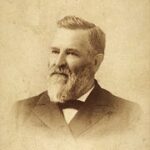
George Woodruff came to Will County in 1832. In his book, “The History of Will County, 1878,” he says this: “Early settlers in the Northwest used to speak of a great fall of snow which occurred in the Winter of 1830-31, which must have been very remarkable. It is said to have killed off the native game animals to such an extent as to have made them very scarce for several years, and to have been a serious loss to the Indians. It is said to have been four feet deep on a level.”
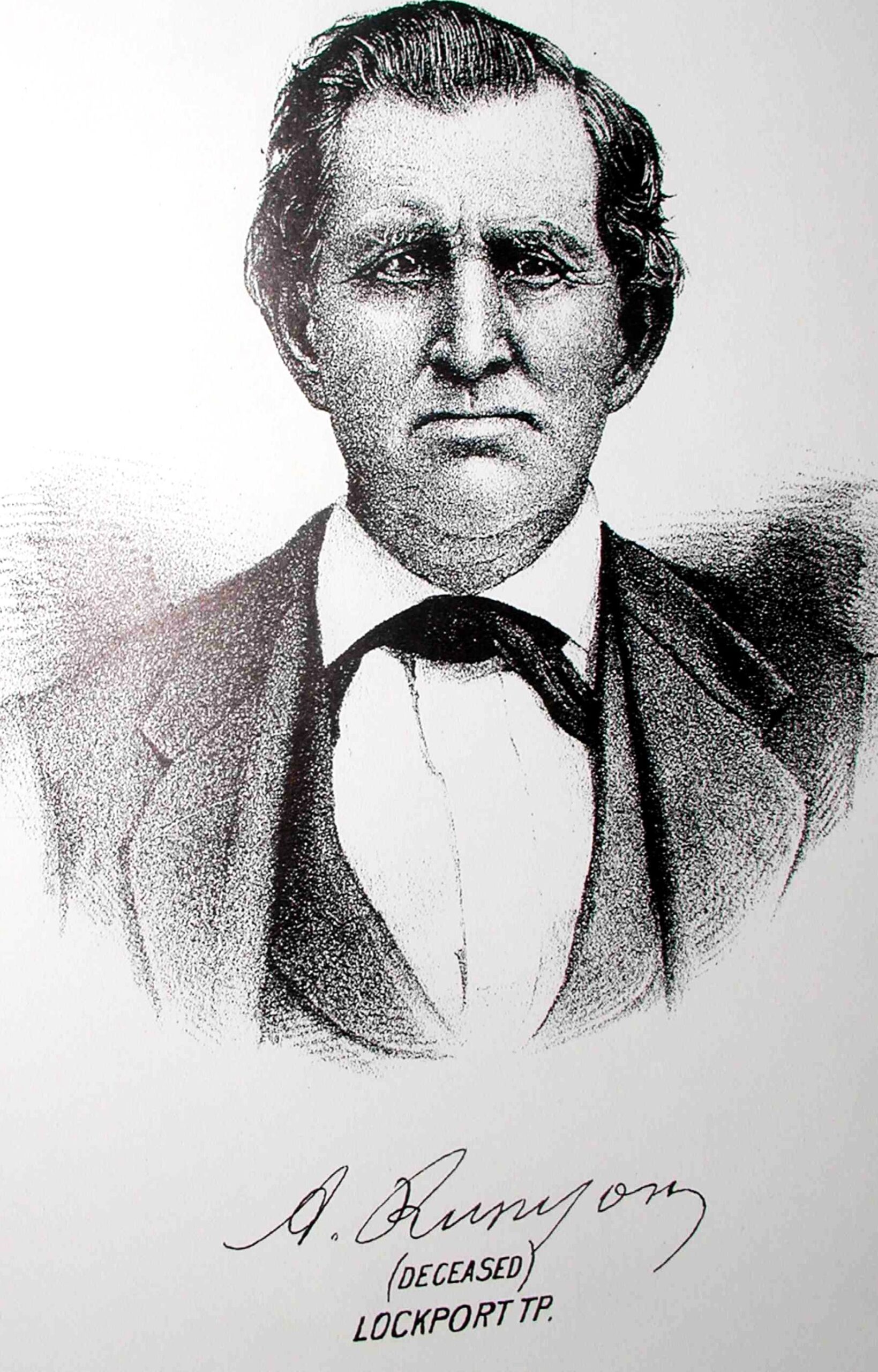
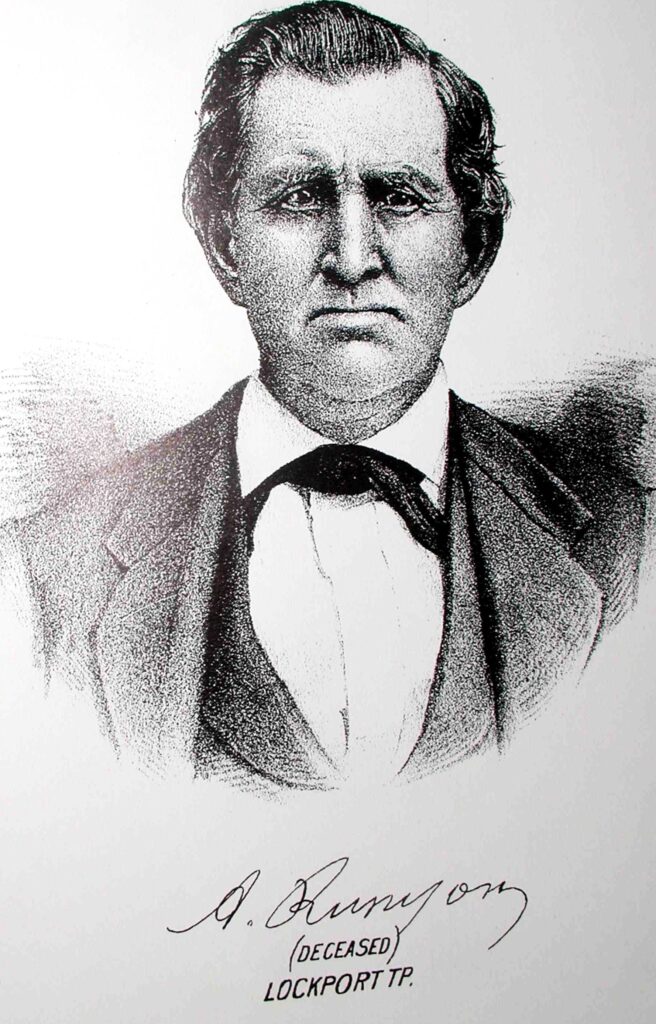
Woodruff relates the tale of Armstead Runyon, first settler of Lockport and what he went through during that same winter.
“Mr. Runyon had a large amount of stock, most of which he left at Danville, except some hogs which he brought with him, thinking they would winter on nuts and acorns, but they all perished during the deep snow, as he had nothing to feed them.
“The next Spring, as soon as the snow had sufficiently disappeared to allow travel with safety, he took his men and went to Danville after the remainder of his stock and for provisions. The high waters, consequent on the melting of such quantities of snow, detained him six weeks beyond the time he expected to be gone, and his family run short of provisions before his return.
“Mrs. Boyer, a daughter of Mr. Runyon’s, informed us that for several weeks before he returned, they had nothing to live on but salt pork and corn bread made of meal so musty that it did not seem fit for a dog to eat.”
Mr. Kerchival, who lived in the vicinity of the Runyon’s was also mentioned in Woodruff’s book in connection with the deep snow of 1830-31. Woodruff tells us, “We remember to have heard Mr. Kerchival speak of it when we first came. He warned us who had settled under the bluff on the West Side (of Joliet), that we would someday get snowed in, saying that he had seen the snow one gentle slope from the top of the bluff across the river, completely concealing the river.
“Kerchival’s first Winter in the settlement was that of the ‘deep snow,’ the epoch from which the few survivors who remember it, date all important events. During the time this great fall of snow remained on the ground, and which was four feet deep on a level, he used to cut down trees, that his horses and cows might ‘browse’ upon the tender twigs. With little else to feed his stock, from sleek, fat animals in the Fall of the year, they came forth in the Spring, those that survived the Winter, nothing but “skin and bones.
“He would sit down and weep at the sufferings of the poor dumb beasts, and his inability to render them material aid in the way of nourishing food. But it used to exhaust his wits to provide food for his family at all times during that first Winter.
“Once they ran out of meal, and though he had sent to Chicago for a barrel of flour, it was long in coming; and before its arrival the larder had got down to a few biscuits, laid aside for the smallest children. He declared if the flour did not come he would take as many of his children as he could carry on his back, and attempt to make the settlements, but good luck or Providence was on his side, and the barrel of flour came before they were reduced to this extremity.”
And another sad story Woodruff tells from that winter at a Blue Island, one of the first areas settled by the white man.
Woodruff relates, “A sad story was told us by Mrs. Stevens, who, though but a little girl of 15 or 16 years of age at the time, remembers the occurrence distinctly. It was of a family who had settled near the present village of Blue Island, and during this deep snow their store of provisions became exhausted, and the husband and father started for the settlements to procure fresh supplies. Being unavoidably detained by the snow, the last crumb disappeared, and the mother, in the very face of starvation, started for Chicago, as is supposed, to get food for her children, and got lost on the prairie and was either frozen to death or killed by wolves. The former supposition is probably the correct one, and after freezing, was devoured by wolves, as nothing was ever found but her bones, which were recognized by her shoes.
“Her children were discovered by some chance passer-by when almost starved to death and were taken and cared for by the few kind-hearted people in the country at the time. The husband’s return was a sad one. His wife dead and eaten by wolves, and his children cared for by strangers, it would almost seem that he had little left to live or care for.”
Sandy Vasko serves on the Board of Directors of the Will County Historical Museum & Research Center. She is the Collections and Research chair.