The First to Volunteer, the 20th
By Sandy Vasko
One hundred and sixty-five years ago, our country was in turmoil. The southern states had seceded, and like today, state’s rights were on the line.
Could individual states determine basic civil rights? Could the federal government force the southern states to eliminate slavery? Should the Supreme Court have the right to impose law? Violence was breaking out across the country, and the elected officials seemed helpless to stop it.
If you are thinking that all of this sounds familiar, it’s because it is the same discussions that our country is going through right now. Positive proof that history does repeat itself.
When war was officially declared, there was only a very small standing army. Those in the military who sided with the South, resigned the Union army to fight with the Confederates. And for the first time, we had military units supported by individual states. The first of these units to go to war from Will County was the 20th Illinois Voluntary Infantry.
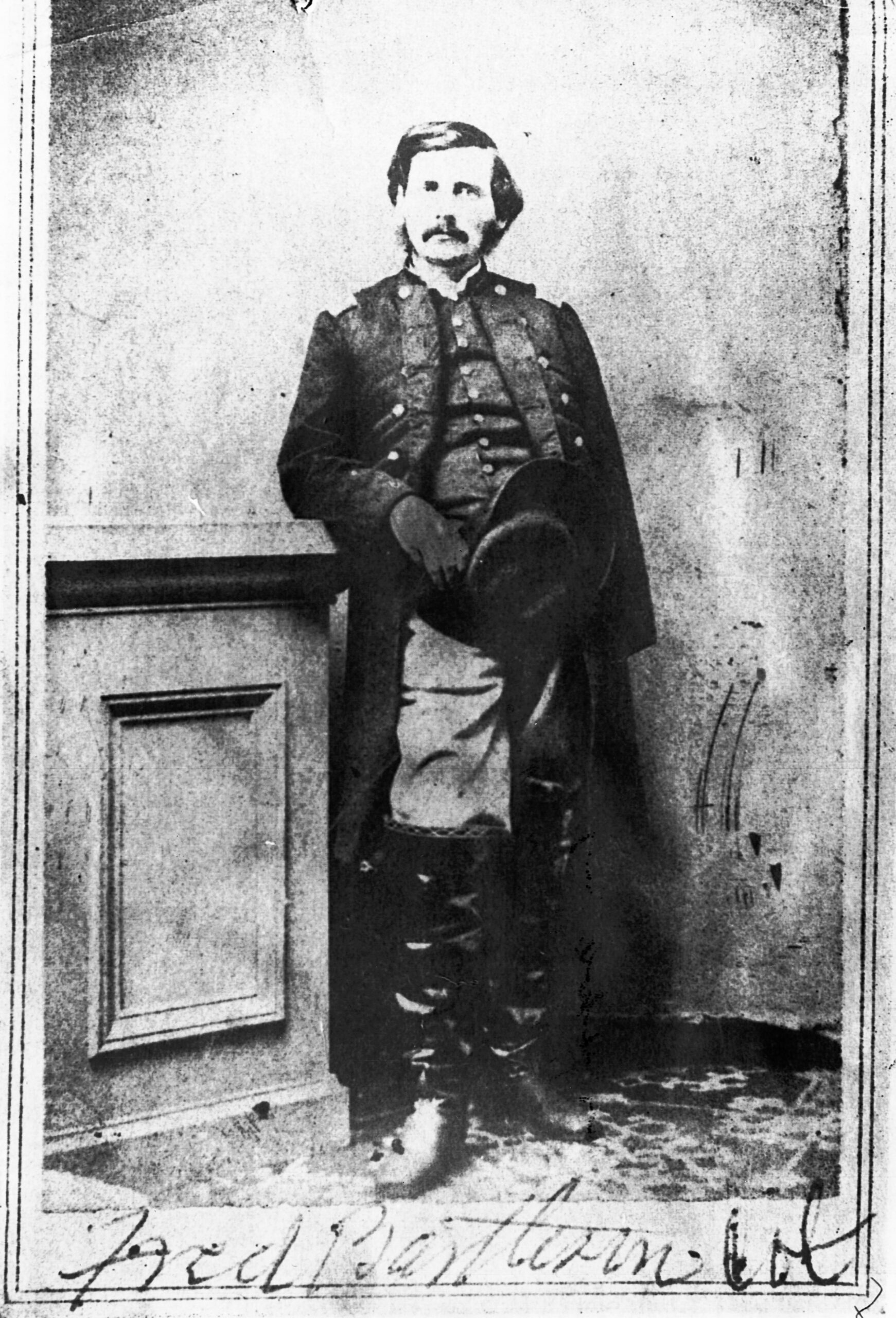
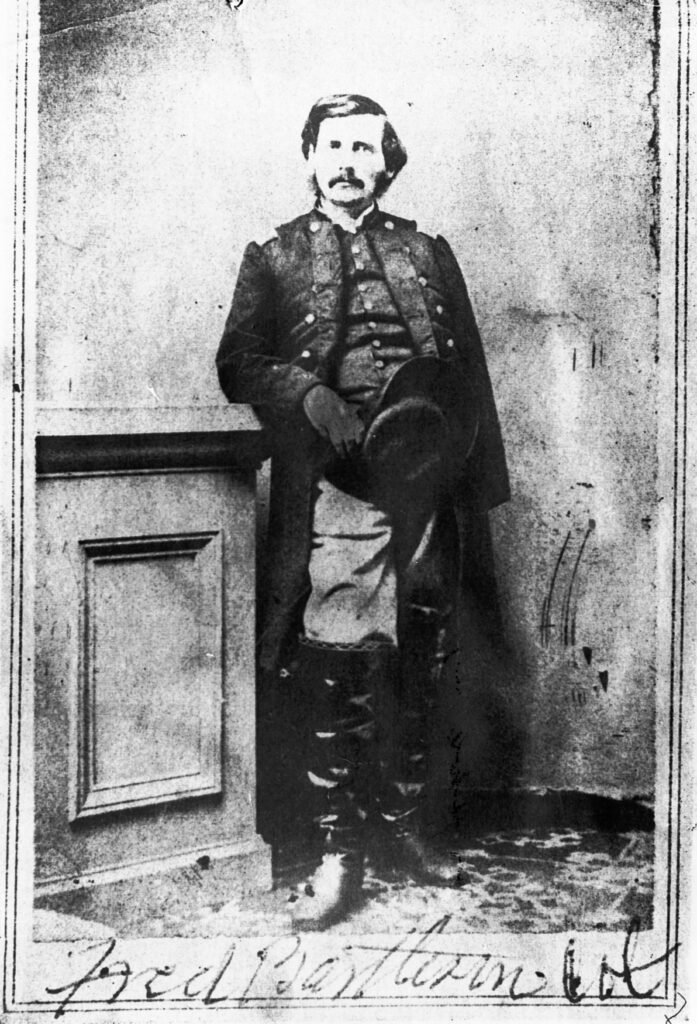
We read of the first moves toward putting together the 20th in Woodruff’s book, “Fifteen Years Ago:” “A paper pledging those who signed it to enlistment in defense of the government was drawn up, and an opportunity was given to any who were willing to do so, to sign. A young lawyer of the name of Frederick Bartleson, sprang to his feet, and after a brief and eloquent speech, walked up to the table, with the remark that he would ask no one to do what he was not willing to do himself, signed his name as the first volunteer in our city and county. Others followed his example the same night to the number of twenty-seven.”
Unknown to anyone, on the same night M. N. M. Stewart left his home in Wilmington to join the Chicago Dragoons, a cavalry troop. However, it was Bartleson alone that is remembered for being the “first” to volunteer.
But there was still a question as to whether the President had a right to coerce the rebel states back in the Union. The Illinois Supreme Court went into session to consider it. A representative from Will County was sent to Springfield, and a Mr. T. Q. Hildebrand reported back to an awaiting crowd in Joliet.
There were so many people attending that Hildebrand had to be passed over the heads of the crowd to get to the podium like at some kind of rock concert. He announced that the Supreme Court said that the war was legal.
Again from Woodruff: “It was almost impossible to resist the impulse to enlist. One young man from the town(ship) of Reed, happening to be in the city, was so carried away with the enthusiasm that, without waiting to consult with his widowed mother, he enrolled his name among the defenders of the country. Instead of meeting the rebuke which he feared, he received from her the following God-speed:
“’MY DEAR SON: I have been informed that you have enlisted in defense of our country. It does seem as though I could not let you go without seeing you again. But I feel that you are in a good cause. Do honor to yourself and your country, and do not turn your back upon the bullets, and may God bless and keep you.’
“On April 30th the Will County Board of Supervisors allocated $3,000 to go to the families of those who volunteered to help defray the expenses they would have.”
By the end of May 1861, companies arrived from other counties and the 20th Illinois Voluntary Infantry regiment was born. Will County was represented by 24 officers and 314 enlisted men.
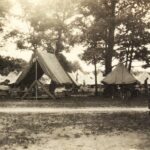
Time to depart came on June 19th. The men received their pay and boarded the train to Alton. On the march to the depot, they were meet by the Joliet Coronet Band and a huge gathering of friends, family and citizens in general who wanted to give what may be the last good-by to the brave fellows of the 20th.
At every station along the way, the men were greeted with good wishes and floral bouquet. At Monticello, every student at the female seminary there was at the station to greet the gallant men of the 20th.
They arrived at Alton at noon the next day.
These men were ready to fight their brother Americans, some to preserve state’s rights, some to abolish slavery, some because they had caught the patriotic fever that abounded.
By March 1864 only 197 of them were left alive. Years later, many were left wondering if it all was worth it.
Sandy Vasko serves on the Board of Directors of the Will County Historical Museum &Research Center. She is the Collections and Research chair.