Peotone District 207U Board Reviews Stadium Feasibility, Facility Use Policies
By Andrea Arens
Long-term facility planning took center stage during Community Unit School District 207U’s Committee of the Whole meeting on June 15 as board members reviewed a feasibility study for a future athletic complex, discussed revisions to facility use policies, and explored the possibility of solar development on district-owned property.
The meeting focused largely on future planning and infrastructure needs, with representatives from Wight & Company presenting engineering evaluations of potential locations for a new stadium and track complex at either Peotone High School or Peotone Junior High School.
Two Potential Stadium Sites
Engineers presented conceptual layouts for athletic facilities at both Peotone High School and Peotone Junior High, emphasizing that the study was limited to evaluating site constraints, zoning requirements, utility access, stormwater management, and physical footprints. No project costs were presented.
At the high school site, plans showed space for an eight-lane track surrounding a football and soccer field with seating for approximately 3,000 spectators. However, the site faces several challenges, including a required 30-foot setback from neighboring residential properties.
The largest obstacle identified was stormwater management.
Because the proposed stadium would be built over existing retention areas, engineers said the district would need to construct a massive underground stormwater vault capable of storing nine acre-feet of water beneath the stadium, track and parking areas.
Complicating matters further, the site sits near a floodplain. Engineers explained the vault would need enough capacity to hold stormwater until flood levels recede before slowly releasing water into the village’s storm sewer system.
The project could also trigger parking requirements under village code. A 3,000-seat stadium would require roughly 750 parking spaces, while the high school currently has approximately 340 spaces. District officials would likely need to seek a variance allowing overflow parking on nearby district-owned property.
The junior high site presented fewer engineering challenges.
Because the property is zoned for public use, it is not subject to the same setback requirements as the high school site. Engineers also noted the site sits entirely outside the floodplain, reducing underground stormwater storage requirements from nine acre-feet to six acre-feet.
Additionally, district-owned land near the site could potentially accommodate less expensive above-ground retention ponds.
Engineers also identified space for a potential additional softball field west of the proposed stadium, although further environmental review would be necessary to determine whether wetlands are present.
Two track configurations were presented for the junior high location. One option mirrors a traditional stadium layout but extends slightly onto neighboring park district property. A second “brokeback” track configuration would keep the entire facility on district property while bringing long jump events inside the stadium footprint.
The site also offers easy access to existing water and sanitary sewer infrastructure.
Long-Term Planning Questions
Much of the discussion centered on whether the high school option adequately accounted for future district growth.
New Superintendent Dr. Mark Cohen asked whether investing in a large underground stormwater system would leave the district without options for future academic additions.
“The wisdom of building something for today that doesn’t account for an expanded footprint of the high school at some point in the future. … I would want to see an option where we would have a final answer for all the storm water that we could ever possibly put on the site,” Cohen said.
Engineers responded that the nine-acre-foot vault would essentially consume the site’s available stormwater capacity. Additional future projects such as classroom additions or a new gymnasium would require separate solutions.
Board members also explored potential cost-saving alternatives, including using practice fields as temporary detention areas.
“Is this practice field absolutely necessary?” Cohen said. “Or could you stripe … football practice in the outfield in the fall and just create a giant shaped detention area right here?”
While no costs were discussed publicly, Cohen noted he had begun reviewing preliminary “ballpark figures” after seeing the significant infrastructure differences between the two sites.
Reviewing Facility Use Policies
The board also reviewed proposed revisions to the district’s facility use packet and Board Policy 8:20.
The proposal would create a five-tier rental structure for organizations using district facilities.
Under the framework, district-affiliated organizations such as student groups, PTOs and booster clubs would pay no fees. Local tax-supported agencies would receive reduced rates, while nonprofit organizations, youth sports groups, nonresident organizations, and for-profit entities would pay progressively higher fees.
The proposal also seeks to standardize staffing and operational charges when facilities are used outside normal operating hours.
Board members expressed concern over language exempting some groups from fees during “regularly staffed hours.”
“That’s a little hairy. It’s up for interpretation,” said Board Vice President Ashley Stachniak.
Outgoing Business Manager Adrian Fulgencio agreed.
“We do have custodians regularly scheduled from 2 to 10. So during that second shift, it depends on who you actually need,” he said.
Several board members emphasized that any policy must be applied consistently.
“We need a uniform system,” one board member said. “If we say yes to one group because they have local kids, but then we charge another group that looks exactly like them, we are going to run into issues with fairness.”
Board member Tim Stoub summarized his position simply.
“I don’t want any outside activity to cost this district any money,” he said.
District officials stressed the goal is not to generate revenue from community groups, but to ensure district taxpayers are not subsidizing outside organizations’ facility use.
The discussion also touched on long-term arrangements with organizations such as the Peotone Blue Demons youth football program. Officials noted the group currently maintains a shipping container and generator on school property.
Outgoing Business Manager Adrian Fulgencio said district staff attempted to establish a formal use agreement with the organization last year, but discussions were unsuccessful.
Stoub suggested that recurring seasonal agreements should potentially be handled separately from the proposed short-term facility use policy, a suggestion supported by Stachniak.
Preliminary Solar Discussions
The board also discussed whether to explore solar opportunities on district-owned property after receiving information from Harvest Solar.
Building and Grounds Director Mike Singleton sought guidance from board members regarding whether the district should pursue additional conversations.
One member expressed strict reservations.
Stoub said he was not interested in leasing district land for solar development, but would be open to learning more about rooftop solar opportunities.
Singleton cautioned against placing solar panels on the recently installed high school roof, citing concerns that high winds could damage panels and potentially puncture the roof membrane.
Board member Steven Clark suggested any future agreement should require a solar developer to cover removal and restoration costs.
Stoub remained skeptical.
“As a public body, it would not be well received,” he said, adding that he would not support leasing district land for that purpose.
The district’s approximately 27-acre parcel currently is not leased for farming. Board members previously expressed interest in potentially selling the property.
Consolidation Efforts Continue
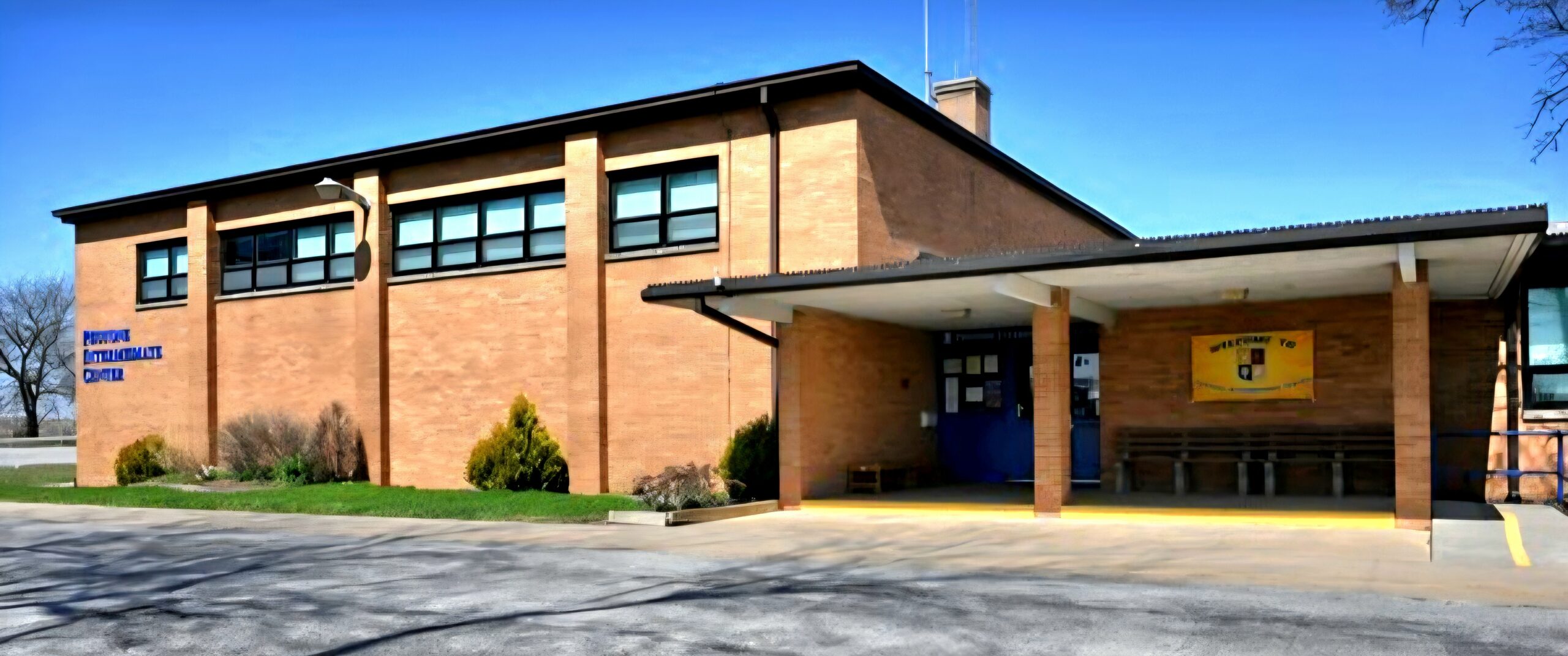
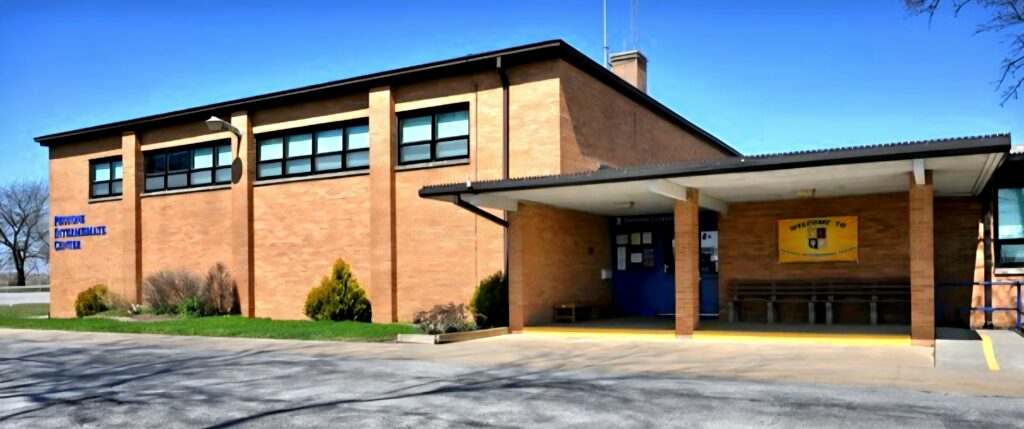
Administrators also provided a brief update on district consolidation efforts tied to the closure of Peotone Intermediate Center.
Officials reported that moving and reconfiguration work continues to progress smoothly as preparations continue for the 2026-27 school year.
The meeting concluded with board members recognizing Board Reporter Cathy Cuculich for her years of service to the district and wishing her well in retirement.
Andrea Arens is a freelance reporter.