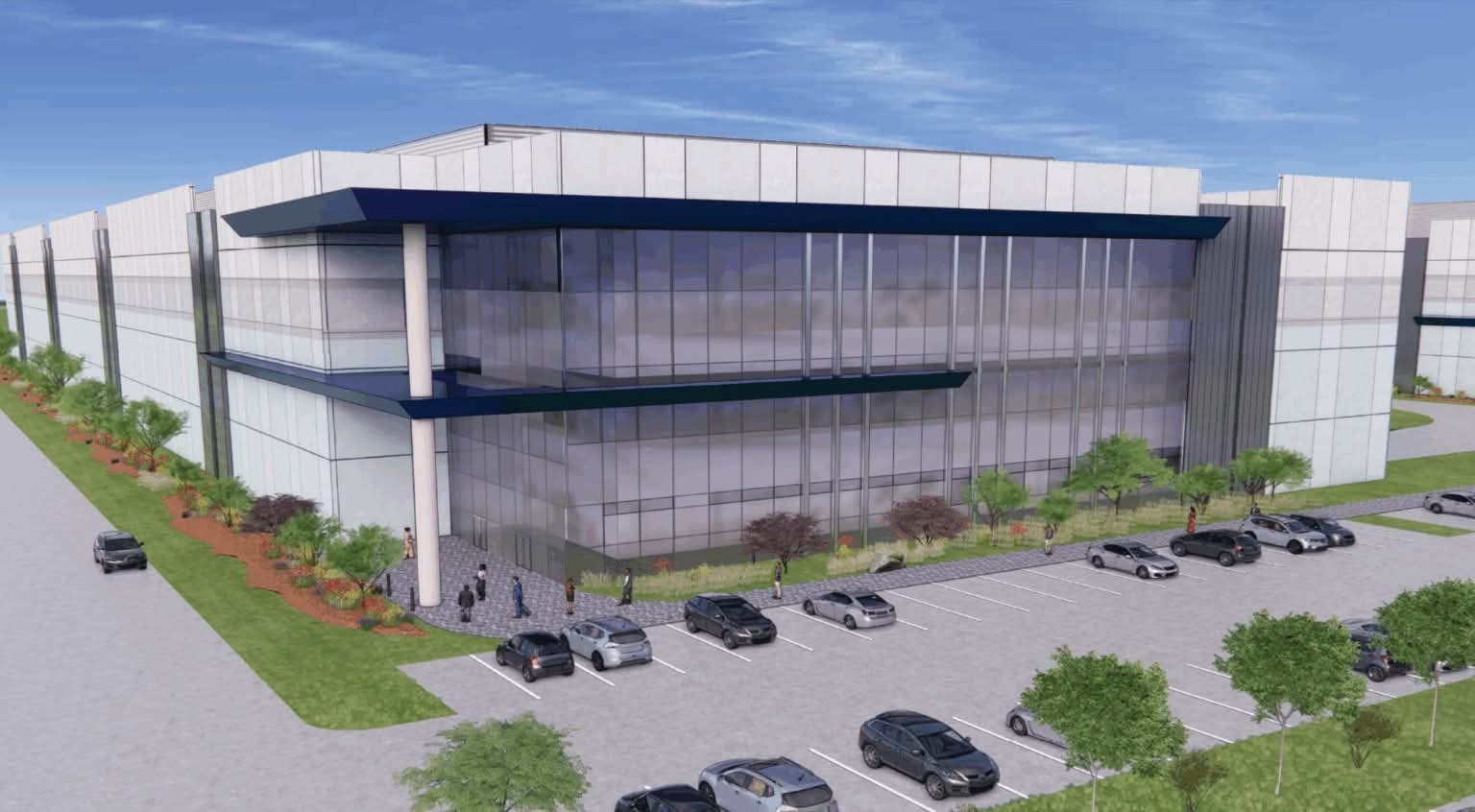
Joliet City Council Decision on Controversial 795-acre Data Center Called on Account of Election Day
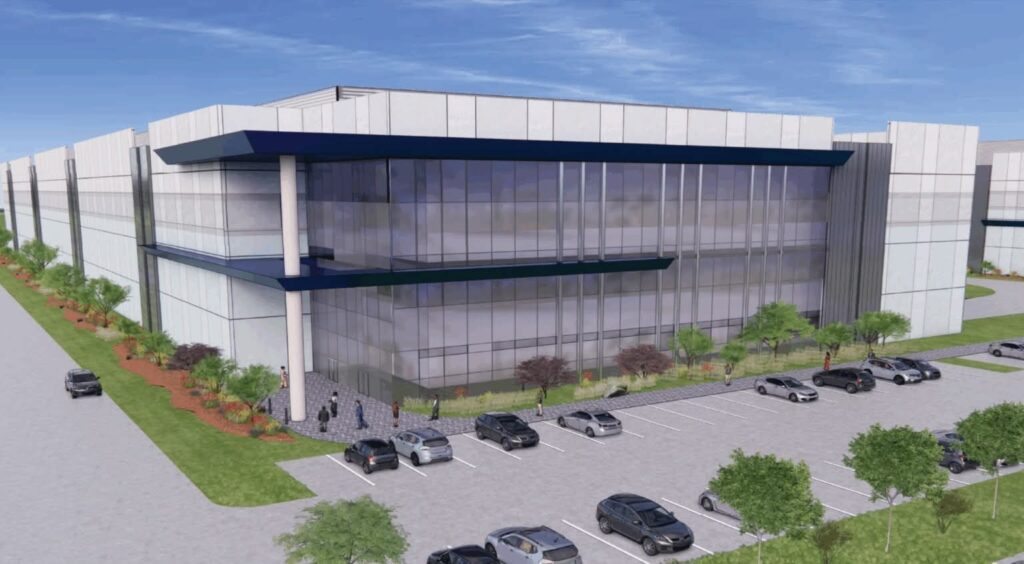
Six hours of testimony and several comments after was enough to force the Joliet City Council to delay its vote on a controversial 795-acre data center — the largest in Illinois — proposed just south of the Chicagoland Speedway.
By state law, the council could not meet on Election Day, March 17. But discussion during the hearing, which began at 5:30 p.m. March 16, edged past midnight into Election Day.
The City Council voted to reconvene at 5:30 p.m. Thursday, March 19, at City Hall to take up the vote.
Hillwood, a Ross Perot Company, partnered with PowerHouse, a data center developer, to bring the project to Joliet. It was originally slated to go before the plan commission in October. Developers pulled the plan for a time to get answers for residents.
The city’s Plan Commission voted 7-1 to support the proposed project’s annexation agreement, zoning change from agricultural A-1 to light industrial I-1 and a preliminary planned unit development.
An open house was held at Joliet Junior College in the beginning of February. But some residents who attended said they got conflicting answers, if questions were answered at all.
To address concerns seen from data centers in other communities, company representatives said they would be using a recycled water cooling system for generators that wouldn’t stress the city’s supply. They also said would comply with the stringent EPA standards for emissions.
They also said they couldn’t run the generators for more than 12 hours per month.
Opponents said they were concerned with toxic emissions from the condensation coming from the cooled generators and high-frequency noise that can cause mental issues.
Hoping to allay fears of overloading the local power grid, developers also said ComEd has committed to building a power station nearby to supply only the data center.
Attorney David Silverman, representing the developers, said the landscape provided a good location. Unlike the warehouses, he said, the data center would not add to the traffic on Illinois 53, and would provide tax revenue to local governments.
Residents also are concerned about what type of data would be stored, for how long and who would be using the data center.
Company representatives have said they’ve been in talks with the major players in data usage, but they wouldn’t sign until zoning is approved.
The data center campus is projected to bring in $310 million in property taxes over 30 years, plus about $40 million in utility taxes, in addition to standard industrial water and sewer rate revenues.
Last week, City of Joliet officials announce the developer has committed up to $100 million to improve Joliet’s sidewalks, streets and city services.
An initial $20 million would be provided to the city within 30 days of closing on the property. Additional contributions of $20 million would be provided prior to the issuance of building permits for each of the four phases of the development.
Freelance reporter Stephanie Irvine contributed to this story.